Cart
0
Discover how optimal lighting shapes your mood, boosts productivity, and supports health in both home and workspace environments. This guide explores the science, strategies, and modern technologies that make lighting a crucial tool for well-being and efficiency.
Key Takeaways
- Natural lighting boosts serotonin, enhances mood, and regulates circadian rhythms.
- Cool light temperatures (4000K-5000K) improve focus and productivity in work areas.
- Task lighting reduces eye strain and errors by providing focused illumination.
- Circadian lighting systems mimic daylight to stabilize sleep and metabolic health.
- LED lighting offers energy efficiency, longevity, and customizable color temperatures.
- Biophilic lighting integrates natural elements to reduce stress and enhance creativity.
- Smart lighting enables automated, adaptable light settings aligned with user needs.
- Proper glare management and color temperature harmony are essential for visual comfort.
Table of Contents
- 1. The Science Behind Lighting and Its Impact on Mood
- 2. Enhancing Productivity with the Right Lighting Design
- 3. Supporting Health and Circadian Rhythms Through Lighting
- 4. The Influence of Color Temperature on Ambiance
- 5. Reducing Glare and Upping Visual Comfort
- 6. The Merits of LED Lighting in Modern Residences and Offices
- 7. Weaving in Biophilic Lighting for Enhanced Wellness and Creativity
- 8. Steering Clear of Common Lighting Design Blunders
- 9. Smart Lighting Systems: Convenience Meets Health Benefits
- 10. Pragmatic Suggestions for Homeowners and Remote Workers
- Conclusion: Lighting as a Crafted Tool for a Balanced and Efficient Lifestyle
1. The Science Behind Lighting and Its Impact on Mood
Lighting extends far beyond mere visibility—it influences our brain chemistry by regulating hormones such as serotonin, dopamine, and melatonin. These hormones govern happiness, focus, and sleep, making light exposure a vital factor in emotional health.
The Importance of Natural Light for Emotional Well-Being
Sunlight synchronizes our circadian rhythm, aiding sleep-wake cycles and maintaining metabolic balance. Strategically maximizing daylight in homes or offices—through windows, skylights, reflective surfaces, or positioning desks near natural sources—enhances mood and reduces stress dramatically.
- Boosts serotonin production
- Enhances positive emotions
- Alleviates symptoms of depression and anxiety
- Reduces stress levels
Prioritizing natural lighting creates inviting spaces that nurture mental wellness and emotional balance. Read more on lighting and mood
2. Enhancing Productivity with the Right Lighting Design
Optimal productivity hinges on fine-tuning color temperature and light intensity. Cool light ranges from 4000K to 5000K simulate natural daylight, boosting alertness and cognitive performance—ideal for kitchens, home offices, and workstations.
Leveraging Cool Light for Improved Concentration
Cool lighting enhances memory, attention span, and visual clarity. A bright kitchen with cool tones improves precision, while daylight hues in an office sharpen focus on tasks.
Adopting a layered lighting approach—ambient, task, and accent lighting—maximizes functionality:
- Ambient lighting: Overall illumination
- Task lighting: Focused lighting for detailed activities
- Accent lighting: Mood and depth enhancement
Task Lighting for Enhanced Focus and Eye Comfort
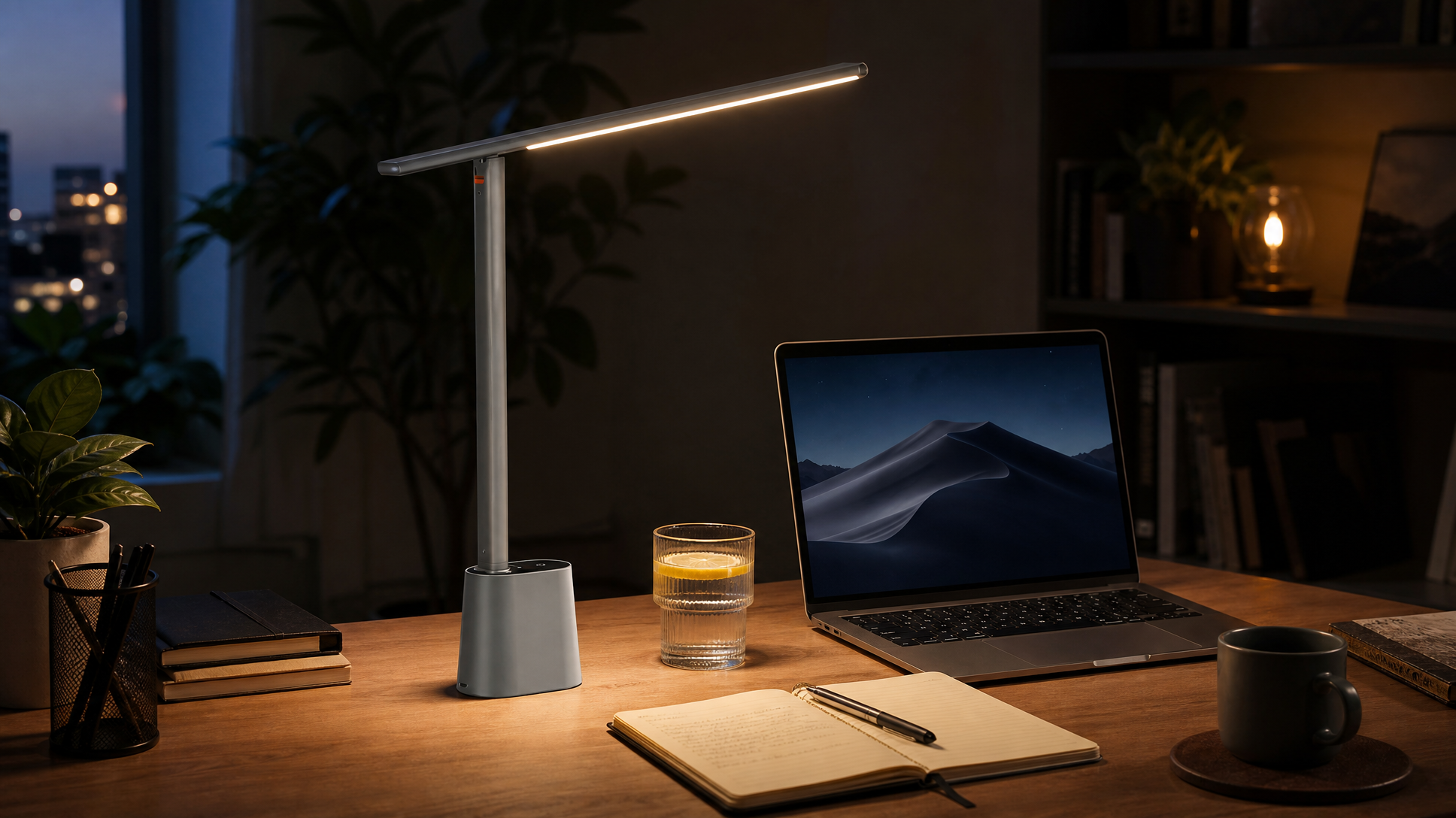
Task lighting mitigates eye strain by directing brightness exactly where needed. Adjustable LED desk lamps and under-cabinet kitchen lights offer control over brightness and color temperature, reducing glare and increasing comfort during fine work.
- Minimizes errors
- Reduces headaches caused by poor lighting
- Improves visual acuity
Neglecting proper task lighting or mixing conflicting light tones can negatively impact productivity by causing discomfort and distraction. Get to know the science behind lighting for productivity
3. Supporting Health and Circadian Rhythms Through Lighting
Circadian rhythms are intrinsically linked to natural light cycles, regulating melatonin release, sleep patterns, and metabolism. Disruption of these rhythms due to poor lighting can lead to sleep disorders, fatigue, and mood instability.
The Role of Lighting in Stabilizing Sleep Patterns and Metabolism
Dynamic circadian lighting systems simulate natural daylight progression by adjusting light intensity and color temperature throughout the day:
- Daytime and afternoon: Cool, blue-infused tones enhance alertness
- Evenings: Warm, dim lighting (2700K-3000K) preps the body for rest
Implementing such lighting approaches supports long-term health and productivity. Discover how circadian lighting systems operate
4. The Influence of Color Temperature on Ambiance
Measured in Kelvin (K), color temperature fundamentally shapes a room’s atmosphere:
- Cool light (4000K-5000K): Energizing and focus-enhancing, ideal for work and active spaces
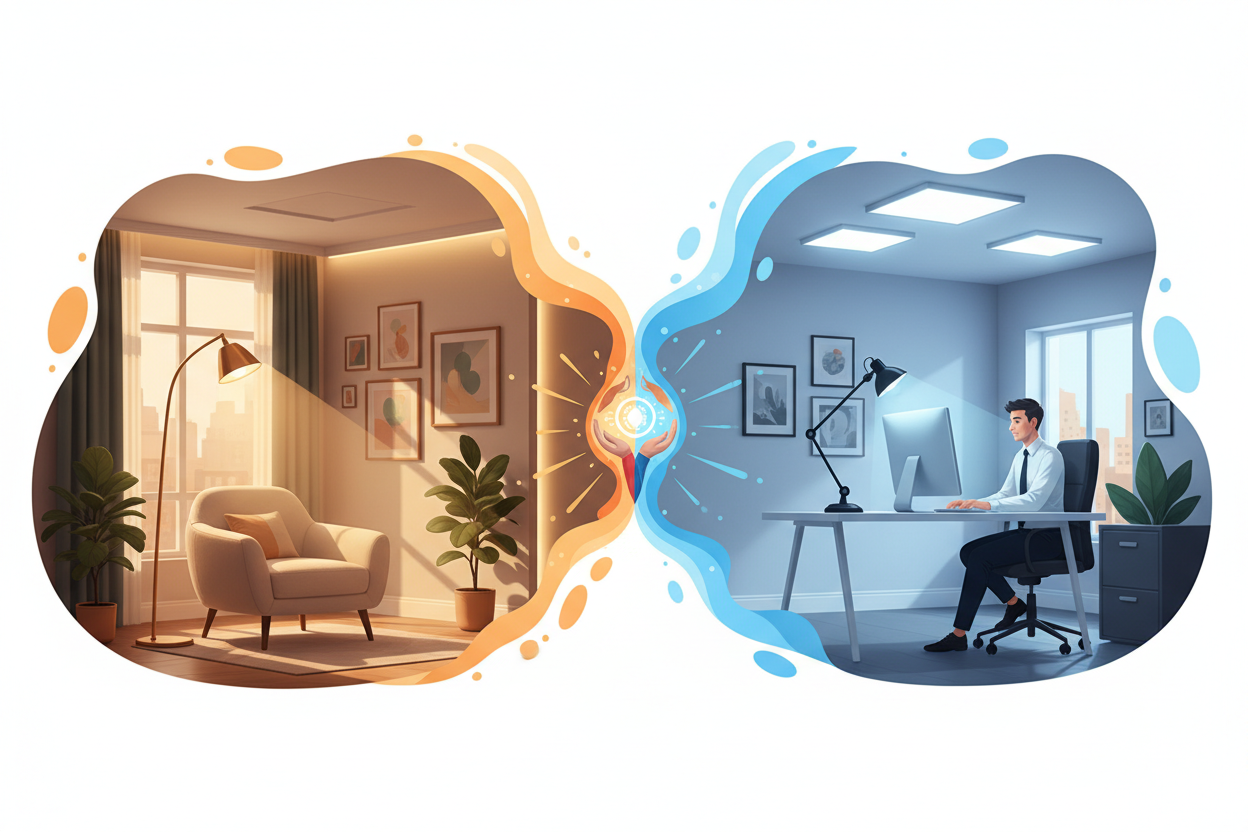
- Warm light (2700K-3000K): Creates relaxing, cozy environments suitable for bedrooms and living areas
Dodging Common Errors in Color Temperature Selection
Inconsistent mixing of color temperatures can cause visual discomfort and mood disruption—for example, cool light in bedrooms can hinder relaxation, whereas warm light in offices may reduce alertness.
Using dimmable lighting fixtures that allow color temperature adjustment gives control to create tailored ambiances suited for varying needs throughout the day.
5. Reducing Glare and Upping Visual Comfort
Glare from improperly placed or overly bright light sources can cause eye strain and headaches, seriously impacting comfort and productivity.
Effective Glare Management Strategies
- Use diffusers on fixtures to soften harsh light
- Position lights to avoid direct eye exposure
- Choose matte finishes for walls and furniture to reduce reflections
- Ensure consistent color temperature to prevent conflicting glare sensations
Applying these techniques promotes sustained visual comfort during both work and relaxation. Peek into techniques for curbing glare
6. The Merits of LED Lighting in Modern Residences and Offices
LED technology revolutionizes indoor lighting with energy efficiency, durability, and versatile color options. Their compatibility with dimmers and color temperature control allows for customizable, health-supportive environments.
Why Opt for LEDs to Light Up Your Space?
- Lower electricity consumption reduces utility costs
- Consistent, flicker-free lighting with customizable hues
- Long lifespan minimizing maintenance and replacement frequency
- Seamless integration with smart systems adapting to your daily routine
Switching to LEDs supports sustainability and enhances quality of light. Scrutinize benefits of LED lighting
7. Weaving in Biophilic Lighting for Enhanced Wellness and Creativity
Biophilic lighting connects indoor environments with natural elements, offering profound psychological and physiological benefits by mimicking the natural light cycle and incorporating organic design motifs.
How Biophilic Lighting Fuels the Growth of Healthier Spaces
- Introduces calmness and cognitive restoration
- Imitates the subtle shifts in daylight hues
- Combines natural elements and lighting to create soothing atmospheres
Studies reveal biophilic lighting can improve workplace satisfaction by up to 15%, spark creativity, and boost productivity. Delve into biophilic lighting designs
8. Steering Clear of Common Lighting Design Blunders
Despite its importance, lighting is often an afterthought, resulting in issues such as:
- Insufficient brightness causing eye fatigue and tiredness
- Inharmonious color temperatures disrupting mood
- Poor fixture placement leading to glare or shadows
- Neglecting circadian needs causing sleep disturbances
Engaging lighting professionals ensures tailored design balancing function and aesthetics, maximizing comfort and performance.
9. Smart Lighting Systems: Convenience Meets Health Benefits
Smart LED systems dynamically adjust brightness and color temperature, harmonizing with your lifestyle and natural light progression.
Features Propelled by Smart Lighting
- Automated shifts from bright, cool daylight to warm, soft evening hues
- Remote control via apps or voice assistants
- Customizable settings for activities or moods
- Energy-saving modes to reduce consumption
Blending comfort with scientifically backed health advantages, smart lighting is ideal for modern homes and offices.
10. Pragmatic Suggestions for Homeowners and Remote Workers
- Place workstations near windows to maximize daylight
- Implement layered lighting with adjustable color temperatures
- Choose dimmable LED bulbs covering warm to cool tones
- Use task lighting for key activities to protect eye health
- Manage glare with thoughtful fixture placement and materials
- Introduce biophilic elements to boost relaxation and creativity
- Adopt smart lighting to automate healthy lighting transitions
- Consult experts to balance functional requirements and style
Conclusion: Lighting as a Crafted Tool for a Balanced and Efficient Lifestyle
Lighting profoundly impacts mood, productivity, and health, deserving careful design attention. By embracing natural light, selecting appropriate color temperatures, controlling glare, utilizing energy-efficient LEDs, and leveraging smart technologies, you create spaces that nurture body and mind. Thoughtful lighting is not a mere aesthetic choice but a vital investment in well-being, longevity, and daily performance.
Explore a host of seasoned lighting fixtures and solutions at Lightsdaddy, ensuring a bespoke indoor lighting equilibrium tailored to fit your lifestyle and surroundings.