Cart
0
How to Choose the Perfect Light Fixtures for Your Home Interiors
Lighting is more than just illumination—it shapes the mood, highlights design, and enhances functionality in your living spaces. This guide walks you through selecting the right light fixtures by balancing style, technical insight, and practical considerations to create a harmonious home ambiance.
Key Takeaways
- Understanding the roles of ambient, task, and accent lighting is crucial for balanced interiors.
- Proper fixture sizing and placement maintain visual harmony and functionality.
- Color temperature influences mood and should align with each room’s purpose.
- Mixing metal finishes adds layered sophistication without overwhelming the space.
- Invest wisely in lighting, prioritizing quality for main areas while economizing on less prominent spots.
- Know when to seek professional installation to ensure safety and compliance.
Table of Contents
- 1. Understanding Lighting Layers: Ambient, Task, and Accent Lighting
- 2. Fixture Size and Placement: Striking the Right Balance
- 3. Choosing the Optimum Color Temperature for Your Home Lighting
- 4. Blending Finishes: Crafting Layered Appearances with Mixed Metals
- 5. Practical Lighting Choices for Bathrooms and Kitchens
- 6. Allocating Resources for Lighting: Quality vs. Cost
- 7. Professional vs. DIY Installation: When to Seek Expert Help
- 8. Shopping for Light Fixtures: Sources & Inspiration
- 9. Enhancing Safety and Ambiance through Thoughtful Lighting Placement
- 10. Conclusion: Achieving a Harmonious and Beautiful Lighting Scheme
1. Understanding Lighting Layers: Ambient, Task, and Accent Lighting
Creating a versatile and inviting room demands the blend of three core lighting layers, each serving distinct purposes to elevate your home’s atmosphere and functionality.
Ambient Lighting: The Base Layer of Illumination
- Provides general, evenly distributed light from overhead fixtures such as chandeliers, flush mounts, or recessed lights.
- Ensures safety by illuminating the entire space for easy movement.
- Often paired with dimmers to adjust overall brightness levels to suit different moods.
Task Lighting: Targeted Illumination for Activities
- Focused light for specific activities such as reading, cooking, or grooming, reducing eye strain.
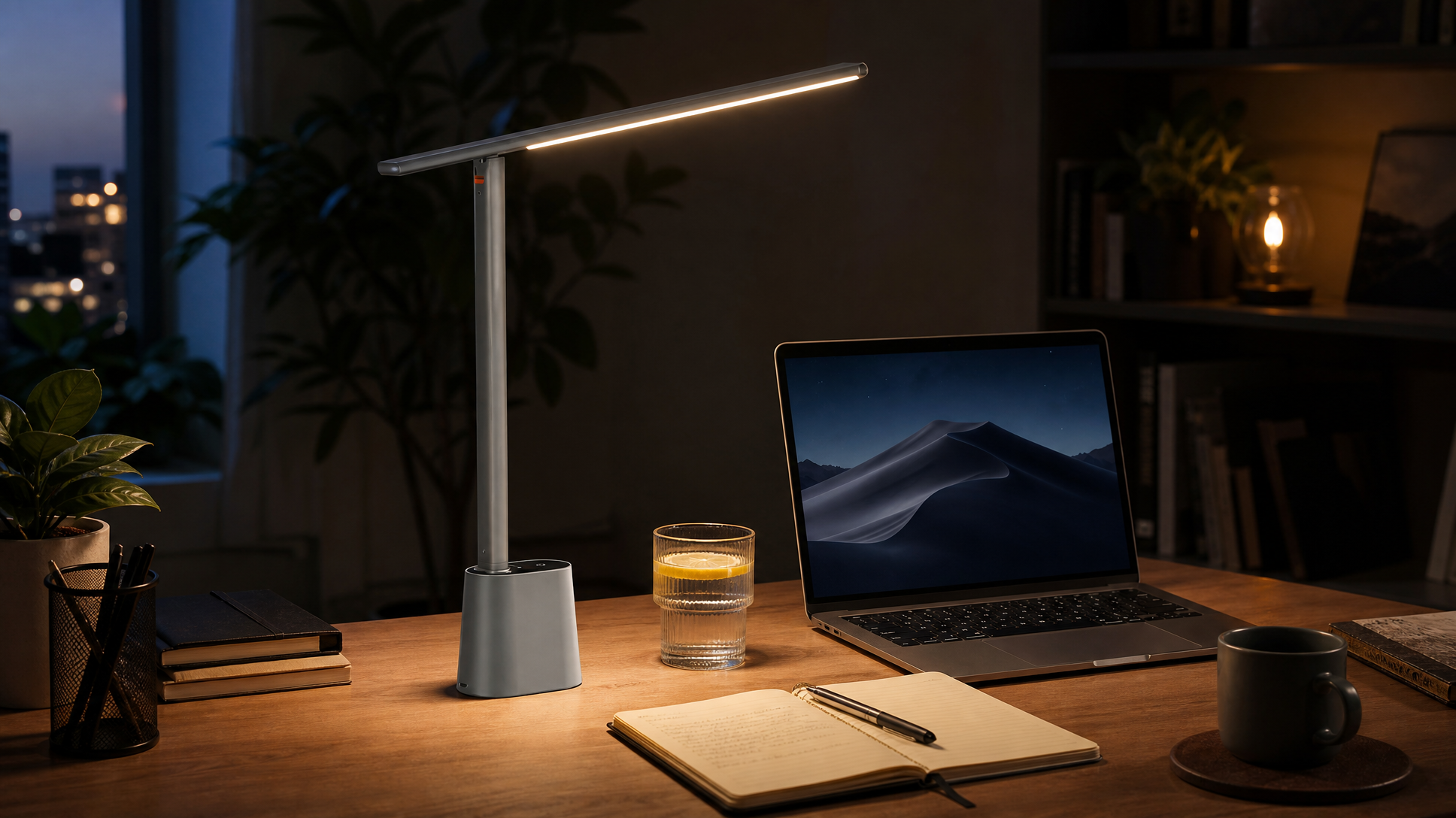
- Examples include desk lamps, pendant lights over kitchen islands, and bathroom mirror sconces.
- Prefer fixtures with adjustable or directional features to avoid shadows and glare.
Accent Lighting: Emphasizing Decorative Details
- Adds depth by highlighting artwork, architectural elements, or plants.
- Creates focal points to engage the eye and enrich design texture.
- Common fixtures include spotlights, wall washers, and picture lights.
When combined thoughtfully, these layers transform a room into a multi-dimensional and functional space. For more, visit Visual Comfort - Lighting Layers.
2. Fixture Size and Placement: Striking the Right Balance
Balancing proportion and positioning of light fixtures is essential to complement your room’s scale and ensure practical illumination.
Determining the Optimal Size of Light Fixtures
- Dining Room Chandeliers: Choose a width that is ½ to ⅔ of the dining table width.
- Pendant Lights: Hang 30 to 36 inches above table surfaces for comfortable lighting and clearance.
- General Rule: Add the room’s length and width in feet, convert the total to inches, and use that size as a ceiling fixture diameter guide (e.g., 12’ x 14’ room = 26” fixture max).
Tips for Fixture Placement
- Maintain at least 7 feet clearance under hanging fixtures in walkways to avoid head collisions.
- Increase clearance in spaces with taller ceilings.
- Use mock-ups with balloons or tape to visualize fixture size and height before final installation.
Avoiding Glare and Shadows
- Position fixtures to diffuse light evenly.
- For bathrooms, place sconces at face height on either side of mirrors to minimize shadows on the face.
Explore more sizing and placement tips at Margarita Bravo - Lighting Proportions.
3. Choosing the Optimum Color Temperature for Your Home Lighting
Color temperature, measured in kelvins (K), defines the warmth or coolness of your lighting, profoundly affecting mood and function.
Warm versus Cool Lighting
- 2700K to 3000K (Warm White): Creates cozy, inviting atmospheres best suited for living rooms, bedrooms, and dining areas.
- Above 3000K (Neutral to Cool White): Provides crisp, clear light ideal for kitchens and workspaces.
- Avoid: Bulbs above 3500K indoors to prevent harsh, clinical vibes.
Matching Temperature to Room Function
- Use warm tones for relaxation spaces.
- Cooler tones enhance focus in kitchens and bathrooms.
- Consider adjustable or dimmable bulbs for versatility.
Learn more at Madison Nicole Design - Color Temperature Tips.
4. Blending Finishes: Crafting Layered Appearances with Mixed Metals
Modern décor embraces the artful combination of metal finishes to enrich visual interest and convey personal style.
Suggestions for Mixing Metal Finishes
- Combine warm metals like brass or gold with cooler metals such as chrome or stainless steel.
- Add black or matte finishes for contrast and refinement.
- Coordinate fixture metals with hardware and appliances while layering various tones thoughtfully.
Examples of Successful Finish Combinations
- Brass fixtures with stainless steel kitchen hardware.
- Matte black sconces paired alongside gleaming chrome pieces.
- Bronze pendants accented by copper knobs and accessories.
Discover inspiration at Madison Nicole Design - Mixed Metal Finishes.
5. Practical Lighting Choices for Bathrooms and Kitchens
Tailoring lighting to the unique needs of bathrooms and kitchens ensures both functionality and aesthetic appeal.
Bathroom Lighting Strategies
- Avoid sole reliance on overhead lights to prevent unflattering shadows.
- Install wall sconces or vertical fixtures on each side of the mirror at face height.
- Choose bright warm-white bulbs that provide accurate color rendering for grooming.
- Use moisture-resistant fixtures rated for bathroom environments.
Kitchen Lighting Solutions
- Combine ambient lighting with under-cabinet illumination for well-lit work surfaces.
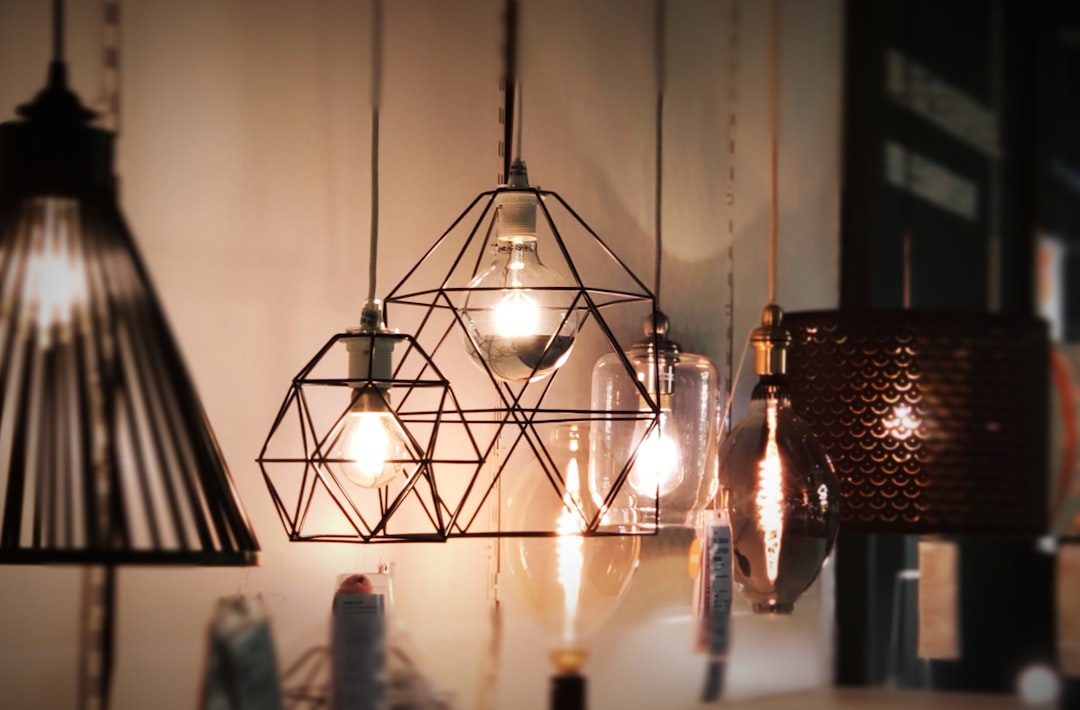
- Metal pendant lights with focused shades enhance island and countertop task lighting.
- Prefer warm, energy-efficient LED lighting over harsh fluorescents.
- Ensure task lights minimize glare while maximizing visibility.
More tips at Visual Comfort - Lighting for Bathroom and Kitchen.
6. Allocating Resources for Lighting: Quality vs. Cost
Strategic budgeting balances the desire for style and performance with cost-effectiveness.
Where to Invest More
- High-impact fixtures in living and dining areas.
- Top-quality bulbs and LED technology for efficiency and longevity.
- Dimming controls and smart lighting for versatility.
Where to Save
- Basic fixtures in closets, hallways, or little-used areas.
- Standard finishes and simpler designs where detailed styling isn’t critical.
Risks of Cheap Fixtures
- Poor material quality may appear low-budget.
- Short lifespan could increase replacement costs.
- Inferior light quality can diminish room ambiance and function.
Deepen your budgeting strategy at JP Electric and Son - Lighting Budgeting.
7. Professional vs. DIY Installation: When to Seek Expert Help
Knowing your limits and the complexity of installation projects is crucial to safety and code compliance.
Appropriate for DIY
- Simple fixture replacements using existing wiring.
- Plug-in lamps and floor lamps.
- Always ensure power is off before starting work.
When to Hire Licensed Electricians
- Installing new wiring or electrical circuits.
- Recessed lighting, multi-fixture setups, and mounting heavy chandeliers.
- Adding dimmer switches, smart lighting systems, or GFCI outlets in damp areas.
- Ensuring adherence to local electrical codes and safety standards.
For professional installation advice, see JP Electric and Son - Lighting Installation.
8. Shopping for Light Fixtures: Sources & Inspiration
Discovering the perfect fixtures blends research, exploration, and personal creativity.
Recommended Sources
- Local lighting showrooms for hands-on inspection and expert advice.
- Online retailers with detailed product info and customer reviews.
- Design blogs, magazines, and social media for trends and unique ideas.
Personalization Tips
- Feel empowered to mix styles—trust your design instincts.
- Experiment by combining diverse fixtures for custom looks.
- Use sample bulbs to test fixture lighting before commitment.
More ideas at Lightsdaddy Blog - Lighting Inspiration.
9. Enhancing Safety and Ambiance through Thoughtful Lighting Placement
Smart lighting placement contributes significantly to both the mood of a space and everyday safety.
Indoor Path Lighting
- Keep hallways, staircases, and entrances well-lit to prevent accidents.
- Choose soft, low-level lights that guide without harsh glare.
Outdoor Lighting
- Light walkways, patios, and porches with durable fixtures.
- Incorporate timers or motion sensors to save energy and enhance security.
Using Dimmers and Color Adjustments
- Dimming controls enable mood adjustments and activity-specific brightness.
- Color temperature shifts can reflect seasonal changes or emotional atmosphere.
10. Conclusion: Achieving a Harmonious and Beautiful Lighting Scheme
Well-designed lighting elevates your home's look and utility by considering layers of illumination, precise fixture sizing, warm color choices, mixed finishes, thoughtful budgeting, and smart installation decisions.
Don’t hesitate to experiment with different fixtures and styles to find what truly resonates with your lifestyle and home design. A well-curated lighting design will brighten your spaces, enhance safety, and enrich your living experience for years.
Frequently Asked Questions
- What are the three main types of lighting and why are they important?
- Ambient lighting provides overall illumination, task lighting focuses on specific activities, and accent lighting highlights decorative elements. Together they create functional, visually balanced spaces.
- How do I determine the right size for a chandelier?
- Add the room’s length and width (in feet), convert the sum to inches, and use that number as the maximum chandelier diameter. For dining tables, choose a fixture ½ to ⅔ the table width.
- What color temperature should I use in living rooms?
- Warm white (2700K to 3000K) creates a cozy and inviting atmosphere ideal for living spaces.
- Can I mix metal finishes in one room?
- Yes. Combining warm metals like brass with cooler metals such as chrome, plus black or matte accents, adds depth and sophistication when done thoughtfully.
- When should I hire a professional electrician for installation?
- Hire a licensed electrician for new wiring, complex fixture setups, adding dimmers or smart controls, and to ensure safety and code compliance.