Cart
0
Pendant Lights vs. Chandeliers: How to Choose the Perfect Ambient Lighting for Your Home
Choosing the right ambient lighting fixture is essential for elevating your home's atmosphere. Whether it's the refined simplicity of pendant lights or the grand elegance of chandeliers, understanding their design, function, and placement can transform your living space into a well-lit masterpiece.
Key Takeaways
- Pendant lights provide focused task and accent lighting, are versatile for smaller or multi-functional spaces, and are easier to install and maintain.
- Chandeliers offer broad ambient lighting with a dramatic visual presence, ideal for large rooms and formal settings.
- Size and placement are crucial—pendants fit cozy, low-ceilinged areas while chandeliers demand space and high ceilings.
- Energy-efficient LED options are widely available for both fixtures, helping reduce power consumption.
- Combining pendant lights with chandeliers creates layered, sophisticated lighting schemes.
Table of Contents
- 1. Design and Structure
- 2. Functionality: Task Illumination or Ambient Light?
- 3. Size, Magnitude, and Placement
- 4. Installation and Maintenance
- 5. Energy Efficiency
- 6. Aesthetic Character
- 7. Placement Guide
- 8. Current Trends
- 9. Conclusion
- FAQ
1. Design and Structure
Understanding the fundamental distinctions in design and structure is key to choosing between pendant lights and chandeliers.
Defining Pendant Lights
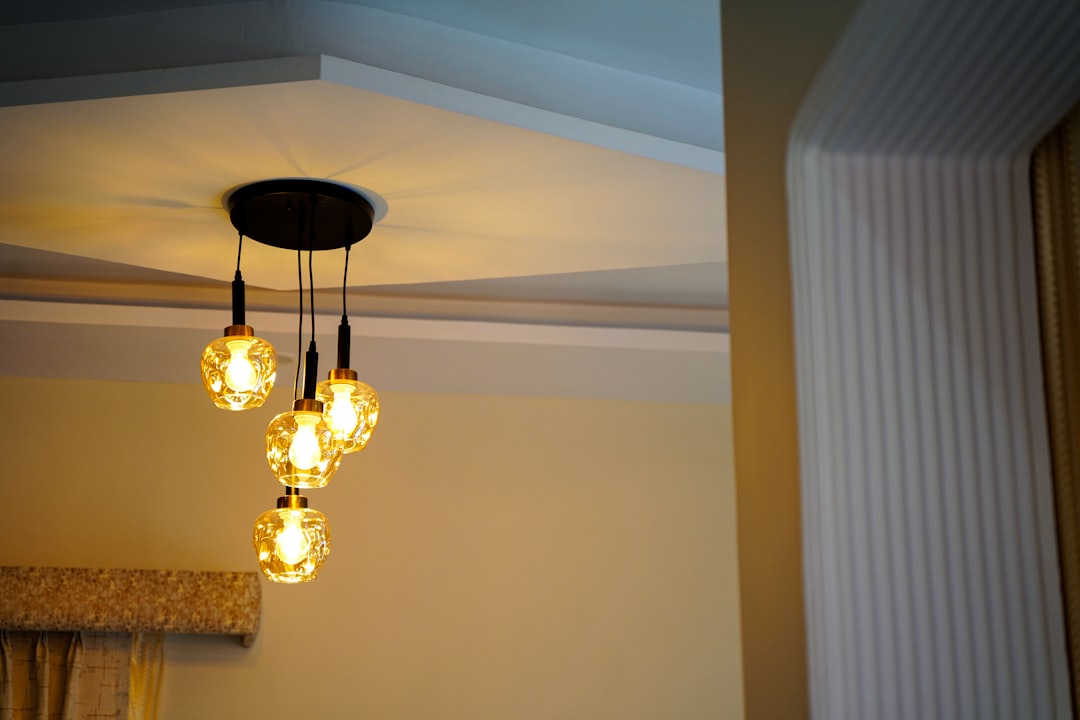
Pendant lights usually feature a single light source hanging from the ceiling by a cord, chain, or rod. Their designs range from minimalist and Scandinavian to industrial and rustic, fitting seamlessly into various interiors. Pendants vary in size, from small “mini” lights for focused task lighting to sculptural pieces that make a statement when grouped.
- Clean lines or artistic shapes complement diverse styles.
- Can be used singly for subtle lighting or clustered for visual impact.
- Emphasize refinement and simplicity with directed illumination.
Unveiling Chandeliers
Chandeliers are typically large, multi-armed fixtures serving as central room pieces. Their ornate and often tiered designs house multiple bulbs or candles to disperse warm, ambient light extensively. Styles range from traditional crystal to modern geometric, farmhouse rustic, and opulent Art Deco.
- Multiple arms allow for broad and diffused lighting.
- Serve as dramatic focal points for formal or vast spaces.
- Often feature decorative, intricate elements that enhance elegance.
| Feature | Pendant Lights | Chandeliers |
|---|---|---|
| Light Source | Usually single | Multiple arms with several bulbs |
| Design Type | Modern, minimalist, industrial | Ornamental, traditional, geometric |
| Size & Magnitude | Compact, flexible | Large, theatrical |
| Visual Presence | Subdued or clustered for emphasis | Striking centrepiece |
2. Functionality: Task Illumination or Ambient Light?
The intended lighting purpose guides the ideal fixture choice—whether for focused tasks or broad ambient ambiance.
Pendant Lights for Task and Accent Illumination
Pendents direct light downward, making them perfect for:
- Task lighting: Over kitchen islands, breakfast bars, office desks for bright, focused light.
- Accent lighting: Highlighting artwork, architectural features, or cozy reading corners.
- Layered lighting: Grouped pendants create multiple light layers enhancing ambiance.
For example, suspending three pendant lights over a kitchen island balances functionality and style.
Chandeliers for Ambient Elegance
Chandeliers primarily offer broad, diffused ambient lighting, ideal for:
- Illuminating large rooms with a warm, inviting glow.
- Creating elegant, formal atmospheres in dining rooms, lobbies, or living spaces.
- Serving as a dramatic, decorative centerpiece.
Though capable of minor task lighting, their main role is ambient and ornamental illumination.
| Lighting Function | Pendant Lights | Chandeliers |
|---|---|---|
| Primary Goal | Task and accent illumination | Ambient and ornamental illumination |
| Illumination Spread | Concentrated, directional | Wide, diffused |
| Optimum For | Kitchens, corridors, nooks | Grand spaces, dining areas, lobbies |
3. Size, Magnitude, and Placement
The scale and placement of your fixture are pivotal in harmonizing lighting with spatial dynamics.
Pendant Lights Suit Cozier, Targeted Spaces
- Ideal for standard or low ceilings where large fixtures feel overwhelming.
- Perfect for directional lighting needs such as kitchen islands, corridors, or intimate dining nooks.
- Grouping in odd numbers (e.g., 3 pendants) enhances visual balance.
- Recommended hanging height: 30 to 34 inches above surfaces for optimum light and reduced glare.
Chandeliers Demand Space and Height
- Best suited for high or cathedral ceilings, large dining rooms, lobbies, and spacious living areas.
- Create luxurious, grand atmospheres and act as decorative statements.
- Consider placement in unexpected rooms (e.g., bathrooms or lounges) for unique elegance.
- Ensure at least 7 feet clearance above floors where appropriate, especially in passageways.
Sizing Tips
- Fixture diameter in inches should roughly equal the sum of the room’s width and length in feet.
- Avoid oversized chandeliers in small rooms to prevent visual overwhelm.
- Small pendants can feel lost in large areas and may underwhelm.
4. Installation and Maintenance
Installation ease and upkeep vary significantly between these two fixture types.
Easy Installation and Maintenance with Pendant Lights
- Lightweight and straightforward design speeds installation.
- Suitable for DIY installation by individuals with basic electrical knowledge.
- Cleaning requires just wiping or dusting the shade.
- Many modern pendants support LED bulbs reducing energy consumption and maintenance frequency.
Chandeliers Require Professional Installation and Care
- Heavy weight and complex designs necessitate professional installation and reinforced mounting hardware.
- Maintenance can be intensive, especially for crystal or tiered chandeliers requiring delicate cleaning.
- Changing bulbs may be difficult depending on fixture height and design.
- Energy consumption historically higher but mitigated with LED technology.
“Safety and longevity depend on proper installation, especially for chandeliers. Maintenance keeps your fixture sparkling and functional over time.”
5. Energy Efficiency
Sustainability is a critical consideration when selecting lighting fixtures.
Pendant Lights: Energy Savers
- Typically use a single bulb, conserving energy overall.
- LED compatibility is common, resulting in longer lifespans and reduced electricity costs.
- Designed for task lighting without excessive brightness, optimizing energy use.
Chandeliers Embrace LED Innovations
- Historically utilized multiple incandescent bulbs but now transitioning to LED versions.
- Modern geometric and mixed-metal designs incorporate LED technology for eco-friendliness without sacrificing style.
- LED reduces heat output and energy consumption significantly.
6. Aesthetic Character
Lighting is a powerful design tool influencing a room’s personality.
Pendant Lights: Sleek and Subtle
- Fit homes with modern, minimalist, Scandinavian, industrial, or contemporary tastes.
- Clusters of small pendants add playful sophistication.
- Coordinate with color schemes and textures while complementing rather than dominating.
Chandeliers: Regal and Statement-Making
- Infuse space with elegance, grandeur, fitting formal or traditional décors.
- Polished chrome, antique bronze, and crystal elements enhance sophistication.
- Modern chandeliers use genteel lines or mixed metals to balance contemporary and classic styles.
Mixing Metals and Styles
Pairing brass chandeliers with silver pendants creates layered texture and visual interest, fostering an eclectic yet cohesive look.
7. Placement Guide
Pendant Light Placement
- Hang above kitchen islands or dining tables at 30-34 inches for perfect illumination.
- Select odd numbers (3 or 5) in groupings for balanced aesthetics.
- Use single or clustered pendants in corridors or reading nooks to create intimate sanctuaries.
- Utilize as accent lights to highlight art, counters, or architectural features.
Chandelier Placement
- Ideal for formal dining rooms, grand entrances, and spacious living areas.
- Tiered chandeliers shine in cathedrals or rooms with high ceilings.
- Do not shy away from placing them in unconventional spots like bathrooms or lounges to add an unexpected luxe touch.
- Maintain clearance of at least 7 feet from floor in passageways for comfort and safety.
8. Embracing Trends
Lighting fashions are evolving, blending traditional charm with modern innovations.
Pendant Light Trends
- Continuing popularity across rustic to hyper-modern designs.
- Mixing materials and finishes to add depth and intrigue.
- Miniaturized and clustered configurations remain favorites for dynamic ambiance.
Chandelier Trends
- Shift away from purely crystal toward geometric LED and mixed-metal designs.
- Multi-tiered structures craft dramatic focal points, even in smaller rooms.
- Energy-efficient LEDs highlight eco-conscious design trends.
- Popular finishes: satin nickel, copper, oil-rubbed bronze.
9. Conclusion
Choosing between pendant lights and chandeliers hinges on your functional lighting needs, spatial dimensions, and stylistic goals.
- Pendants offer task-oriented, flexible, and energy-friendly lighting apt for contemporary or compact spaces.
- Chandeliers bring grandeur and broad ambient light, excelling in large and formal environments.
- Combining both can provide layered lighting—practical pendants alongside a statement chandelier—elevating your home's ambiance and elegance.
Armed with knowledge of design, functionality, sizing, and trends, you’re now ready to illuminate your space with the perfect balance of style and light.
Frequently Asked Questions
Can I use pendant lights and chandeliers together in the same room?
Absolutely. Combining pendant lights for task or accent lighting with a chandelier for ambient, decorative illumination creates layered light that enhances both function and aesthetics.
What is the best height to hang pendant lights over a kitchen island?
Pendant lights should be hung approximately 30 to 34 inches above the surface of the kitchen island to maximize light without causing glare.
Are chandeliers suitable for rooms with low ceilings?
Generally, chandeliers need space and height to shine visually and functionally. For low ceilings, opt for smaller, flush-mount fixtures or consider pendant lights instead.
How energy-efficient are chandeliers compared to pendant lights?
Chandeliers traditionally consume more energy due to multiple bulbs but adopting LED technology significantly reduces power usage, bringing chandeliers closer in efficiency to pendant lights.
Is professional installation necessary for chandeliers?
Because of their weight and complexity, professional installation is highly recommended for chandeliers to ensure safety and proper mounting.