Cart
0
The Ultimate Guide to LED Strip Lights: Energy Efficiency, Design, and Smart Lighting Solutions
Discover how LED strip lights combine energy savings, customizable design, and smart technology to transform your spaces with style and efficiency.
Key Takeaways
- LED strip lights use up to 80% less energy than traditional bulbs, offering excellent savings and eco-friendly benefits.
- Choosing the right color temperature enhances both comfort and functionality across different rooms.
- Installation is straightforward but benefits greatly from thoughtful preparation for durability and aesthetics.
- Smart LED strips provide remote control, automation, and synchronization features for personalized lighting experiences.
- Waterproof options extend usability to humid or outdoor areas, ensuring safety and longevity.
Table of Contents
- Introduction to LED Strip Lights and Energy Efficiency
- Understanding LED Strip Light Power Consumption and Energy Savings
- Choosing the Right Color Temperature for Your LED Strip Lighting
- Practical Installation Tips: How to Install LED Strip Lights Like a Pro
- LED Strip Lights in Interior Design: Layering and Style Integration
- Waterproof vs. Non-Waterproof LED Strips: Where and Why
- Enhancing Your Space with Smart LED Strips and Bulbs
- Room-by-Room LED Strip Lighting Ideas
- Why Choose LED Strip Lights? Environmental and Cost Advantages
- Conclusion: Transform Your Space with Energy-Efficient LED Strip Lighting
- FAQ
1. Introduction to LED Strip Lights and Energy Efficiency
LED strip lights are revolutionizing lighting solutions for homes and businesses by delivering customizable, energy-efficient illumination that adapts to any style or need. From ambient glows that set a mood to functional task lighting, these flexible strips offer considerable energy savings—often using up to 80% less electricity than conventional bulbs. Understanding how they work and integrate with smart systems empowers you to create lighting schemes that are not only stunning but also sustainable and cost-effective.
2. Understanding LED Strip Light Power Consumption and Energy Savings
Energy efficiency is a key driver behind LED strip adoption. These lights deliver bright illumination while drawing minimal power, vastly outperforming incandescent bulbs.
- Typical consumption ranges from 4 to 14 watts per meter, depending on LED density and brightness.
- They achieve illuminating efficiency of about 90–110 lumens per watt, compared to 10–15 lm/W for incandescent bulbs.
- For example, a 1-meter strip at 10 watts used 4 hours daily consumes roughly 0.04 kWh, a minimal addition to electricity bills.
How LED Strip Lights Save You Money
- They use up to 85% less energy than traditional incandescent lighting, providing better light output at a fraction of the cost.
- ENERGY STAR-certified LEDs consume 75% less energy and can last 25 times longer, saving on replacements.
- More efficient power-to-light conversion means less wasted energy as heat and cooler spaces.
What Influences Power Usage
- Strip length: Longer strips draw proportionally more power.
- LED density: Higher density equals more light but higher wattage.
- Brightness setting: Dimmer lighting saves energy, although full brightness remains efficient.
- Color configuration: RGB or RGBW models tend to consume more than single-color strips.
- Color temperature: Slight variations based on LED tech and hue.
Get Smarter with Energy Controls
Many LED strips support dimming and smart home integration, enabling:
- Adjustable brightness to suit mood and conserve energy.
- Scheduled timers to power off lights when unused.
- Remote control via smartphones or voice assistants to prevent waste.
Adopting smart controls helps optimize energy efficiency without sacrificing comfort.
3. Choosing the Right Color Temperature for Your LED Strip Lighting
Color temperature, measured in Kelvins (K), influences ambiance, mood, and task suitability. Selecting the right tone tailors lighting to your lifestyle.
Warm White (2700K – 3000K): Cozy and Calming
- Perfect for bedrooms and living rooms where relaxation matters.
- Creates a soft, inviting yellowish glow.
- Encourages restfulness and comfort.
Cool White (4000K – 5000K): Bright and Functional
- Ideal for kitchens, offices, and workshop areas.
- Offers crisp white light to maintain alertness.
- Enhances detail visibility during tasks.
Daylight (5000K – 6500K): Crisp and Energizing
- Works well in garages, bathrooms, and spaces needing bright, natural light.
- Mimics sunlight for accurate color rendering and clarity.
- Invigorates spaces with energizing brightness.
Combining Color Temperatures for Multi-Use Spaces
Mixing warm, cool, and daylight strips allows you to craft zones tailored to different activities:
- Use warm white where relaxation is key.
- Apply cool white for focused work or cooking.
- Integrate daylight LEDs in windowless areas or tasks demanding precision.
4. Practical Installation Tips: How to Install LED Strip Lights Like a Pro
Proper installation enhances both the appearance and longevity of your LED strips. Follow these essential steps:
Step 1: Prepare the Surface
- Thoroughly clean areas of dust, grease, and moisture.
- Smooth, solid surfaces (painted walls, wood, metal) offer the best adhesion.
- For textured or uneven areas, use mounting channels or clips.
Step 2: Power It Right
- Verify the strip voltage (commonly 12V or 24V) and use a compatible power supply.
- Confirm the power supply can handle total wattage to avoid overloads.
- Test all electrical connections before final mounting.
Step 3: Organize and Conceal Cables
- Hide wires using raceways, behind furniture, or inside grooves.
- Position controllers and adapters in accessible yet discreet locations.
- Ensure reliable Wi-Fi or Bluetooth for smart LED systems.
Step 4: Avoid Common Pitfalls
- Never install on dirty or damp surfaces—adhesion will fail.
- Stay within power supply load limits to avoid damage.
- Install strips in concealed locations to reduce glaring light.
- Keep remotes and controls easy to find and use.
5. LED Strip Lights in Interior Design: Layering and Style Integration
Beyond functionality, LED strips are a versatile design element to add depth and personality to interiors by layering light strategically.
Layer Your Lighting: Ambient, Task, and Accent
- Ambient lighting: Use strips along ceiling coves or walls for soft, overall illumination.
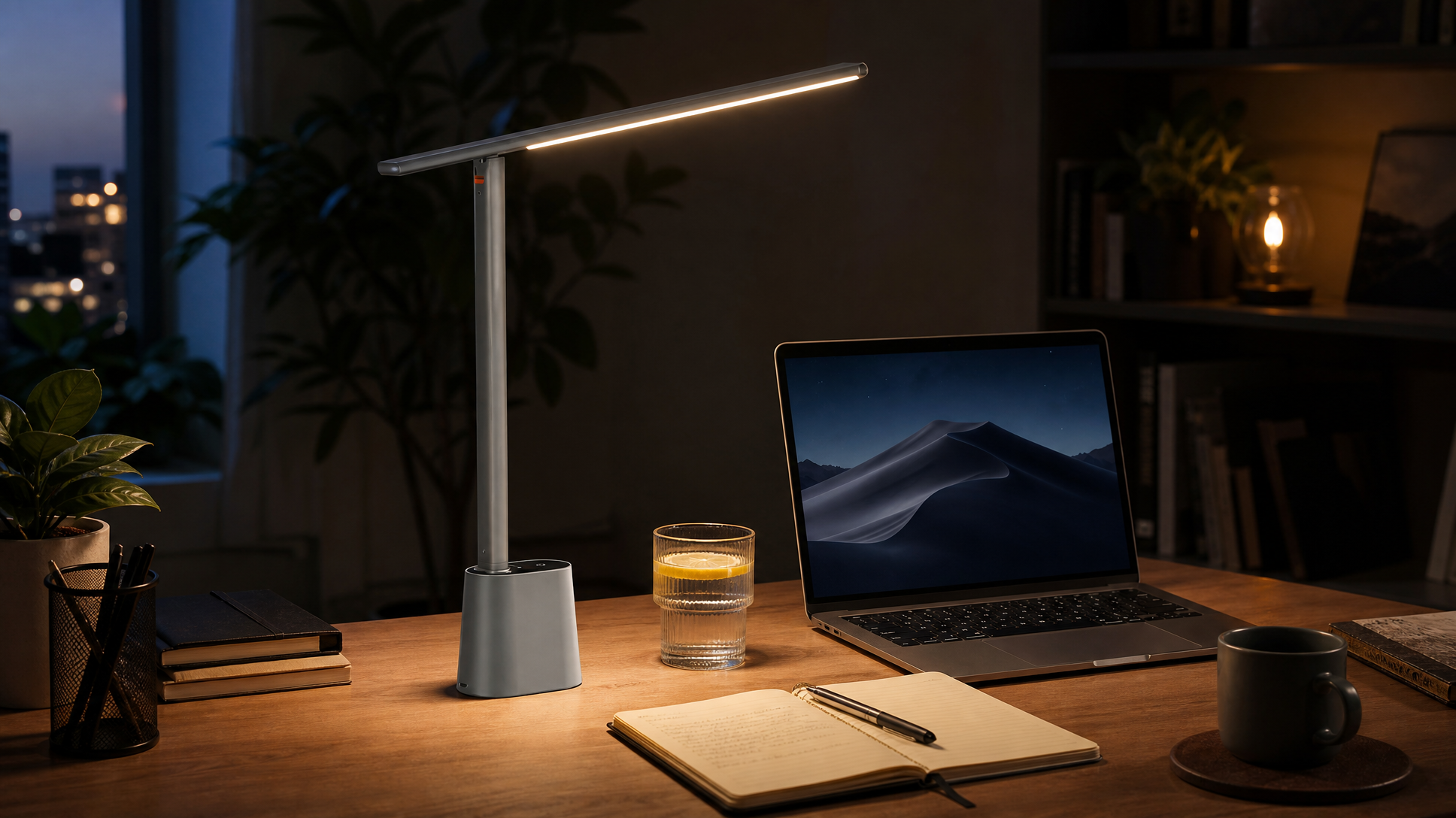
- Task lighting: Brighter strips under cabinets or desks for focused work.
- Accent lighting: Highlight artwork, shelves, or architectural features.
Match Strips to Your Home Style
- Minimalist: Concealed white strips for clean, sleek lighting.
- Boho Chic: Warm white paired with natural textures creates cozy charm.
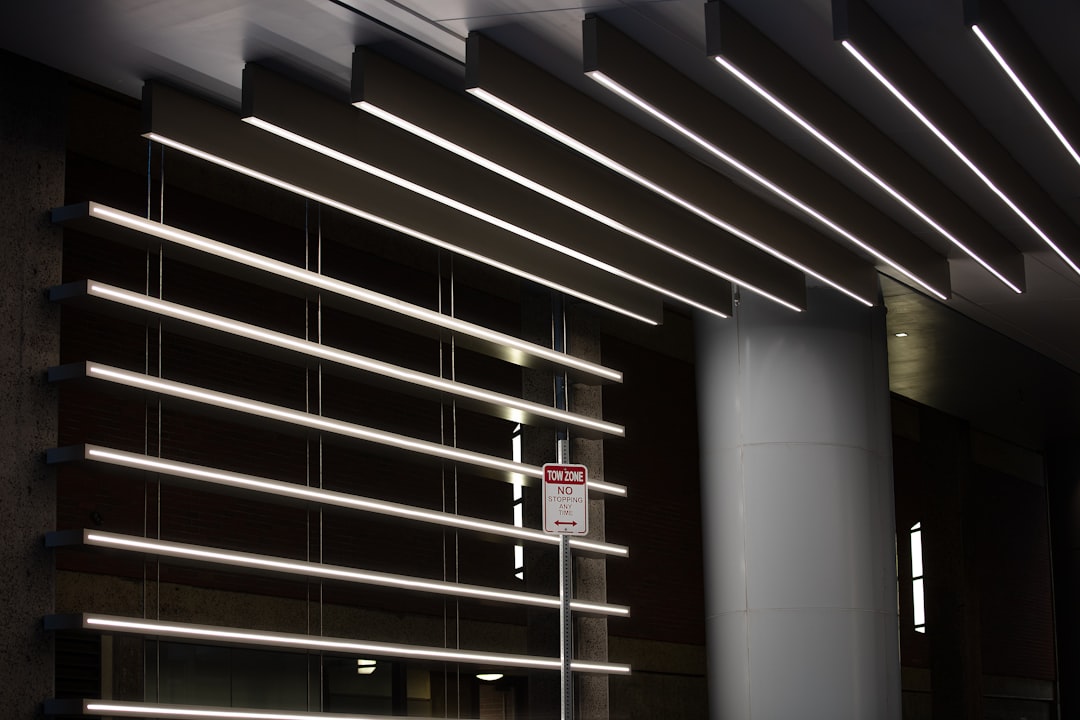
- Industrial: Exposed LED runs and cooler hues complement raw materials like metal and brick.
6. Waterproof vs. Non-Waterproof LED Strips: Where and Why
Selecting waterproof or non-waterproof LED strips depends on your installation environment to ensure durability and safety.
Waterproof LED Strips (IP65 and up)
- Feature sealed coatings protecting against water and dust.
- Necessary in moisture-prone areas such as bathrooms, kitchens, patios, gardens, and pools.
- Tend to be slightly stiffer and more expensive.
Non-Waterproof LED Strips
- Suited for dry, indoor locations like bedrooms, closets, and living rooms.
- More flexible, affordable, and easy to trim or modify.
- Ideal for concealed or decorative lighting.
7. Enhancing Your Space with Smart LED Strips and Bulbs
Smart LED strip lighting merges technology with style, delivering convenience and dynamic control.
Top Smart Features
- Mobile app control for adjusting brightness, colors, and effects.
- Voice assistant compatibility with Alexa, Google Home, and others.
- Synchronization with music or video for immersive experiences.
- Scheduling for automatic on/off and routines.
Why Go Smart?
- Instantly change lighting moods to suit time or activity.
- Save energy by dimming or automating light use.
- Control your lighting from anywhere for enhanced comfort.
Smart Use Cases
- Create responsive gaming or entertainment lighting.
- Set ambient kitchen or living room tones that evolve throughout the day.
- Simulate occupancy for security when away.
8. Room-by-Room LED Strip Lighting Ideas
Tailor LED strip installation for each space to enhance style and practicality.
Bedroom
- Warm white strips behind headboards for relaxing ambiance.
- Under-bed lighting acts as a soft, safe nightlight.
- Smart features to simulate sunrise wake-ups.
Kitchen
- Cool white strips under cabinets for clear, shadow-free workspaces.
- Toe-kick and shelf lighting adds subtle highlights.
- Waterproof strips near sinks enhance durability.
Living Room & Entertainment Areas
- Backlight TVs or audio consoles for immersive visuals and eye comfort.
- RGB strips enable dynamic lighting for movie or game nights.
Bathroom
- Moisture-safe strips around mirrors for spa-like ambiance.
- Daylight tones improve grooming visibility.
Outdoor Spaces
- Use IP-rated strips along paths, decks, and stairs for safety and style.
- Incorporate motion sensors or timers to boost security and efficiency.
9. Why Choose LED Strip Lights? Environmental and Cost Advantages
LED strip lights bring both environmental benefits and cost savings:
- Longevity from 20,000 to 50,000 hours compared to roughly 1,000 hours for incandescent bulbs.
- Reduced waste from fewer bulb replacements.
- Free of toxic substances like mercury, easing disposal concerns.
- Lower energy consumption means a smaller carbon footprint.
10. Conclusion: Transform Your Space with Energy-Efficient LED Strip Lighting
With their impressive energy efficiency, versatile design, and smart home integration, LED strip lights are an ideal upgrade for any space. The blend of affordability, durability, and style makes them a top choice for those looking to enhance ambiance and reduce costs. Whether you want cozy relaxation, bright work lighting, or dynamic entertainment setups, LED strips provide a customizable, sustainable lighting solution.
Ready to redefine your lighting? Explore expert advice and high-quality products at Lightsdaddy.
FAQ
Are LED strip lights more energy-efficient than traditional bulbs?
Yes. LED strip lights typically use up to 80-85% less energy than incandescent bulbs and offer higher lumens per watt, making them significantly more efficient for lighting needs.
Can I install LED strip lights outdoors?
Yes, but only use waterproof LED strips rated at IP65 or higher for outdoor or moist environments to ensure durability and safety.
How do I choose the right color temperature?
Consider the room’s function: warm white (2700K–3000K) for relaxing areas, cool white (4000K–5000K) for workspaces, and daylight (5000K–6500K) for high-visibility tasks or windowless areas.
Are smart LED strip lights worth the investment?
Smart LED strips add convenience and energy savings through remote control, scheduling, and automation, making them an excellent choice for those wanting flexible and dynamic lighting solutions.
What are common installation mistakes to avoid?
Avoid installing on dirty or damp surfaces, overloading power supplies, leaving cables exposed, and neglecting to test connections beforehand to ensure a clean, safe, and lasting setup.