Cart
0
Top Lighting Trends for 2025: A Comprehensive Guide to Smart LED Lighting and Design
Discover the transformative lighting trends shaping 2025, from voice-controlled smart LEDs to sustainable materials and human-centric designs that enhance wellness and style.
Key Takeaways
- Voice-activated smart LED bulbs offer seamless control, energy savings, and customization for every space.
- Energy-efficient LEDs lead the sustainability revolution with recycled materials and extended lifespans.
- Human-centric lighting supports circadian rhythms and wellness using tunable white LEDs.
- Vintage LED filament bulbs blend nostalgic design with modern efficiency and smart features.
- Layered architectural fixtures transform lighting into art, combining beauty and functionality.
- Minimalist fixtures and matte finishes provide subtle sophistication in contemporary interiors.
- Eco-friendly designs prioritize sustainability without compromising style or performance.
Table of Contents
- 1. Smart LED Lighting: Voice-Controlled Bulbs Leading the Way
- 2. Energy-Efficient LED Bulbs: The Sustainable Lighting Revolution
- 3. Human-Centric Lighting: Wellness Through Tunable White LEDs
- 4. Vintage LED Filament Bulbs: Nostalgia Meets Technology
- 5. Layered Architectural Fixtures: Lighting as Functional Art
- 6. Color Temperature Preferences: Balancing Comfort and Clarity
- 7. Minimalist Fixtures and Matte Finishes: Subtle Sophistication
- 8. Eco-Friendly Lighting Design: The Future Is Green
- Conclusion
1. Smart LED Lighting: Voice-Controlled Bulbs Leading the Way
By 2025, smart LED lighting has become an essential feature in both homes and businesses. Voice-activated bulbs paired with app controls now allow users to effortlessly customize lighting moods, colors, and brightness.
- Voice and app control: Switch between modes like “relax,” “focus,” or “night” with hands-free commands or automation.
- Versatile connectivity: Wi-Fi, Bluetooth, Zigbee, and mesh networks ensure smooth device syncing.
- Built-in energy monitoring: Bulbs track energy use and auto-optimize settings for savings.
- Custom dimming and scenes: Create perfect lighting for diverse activities or times of day.
Centralized control hubs monitor large areas with occupancy sensors and daylight adjustments to maximize both comfort and efficiency.
"Remote control through voice assistants not only offers convenience but also significantly reduces energy waste and utility costs."
With market growth projected from $27.3 billion in 2024 to over $62 billion by 2030, smart LED systems are clearly the new standard.
2. Energy-Efficient LED Bulbs: The Sustainable Lighting Revolution
LED bulbs dominate 2025 lighting, penetrating 91% of U.S. households due to their impressive energy efficiency and longevity. Their design emphasizes sustainability through high output with minimal wattage and extended lifespans that reduce replacement frequency.
- Recycled aluminum housings and biodegradable packaging enhance eco-friendliness.
- Low-impact manufacturing techniques decrease carbon emissions.
- Modular and repairable fixtures extend product life and lower waste.
Additional sustainable options include solar-powered outdoor LEDs and fixtures made from recycled glass, bamboo, and ceramics, blending eco-conscious practice with aesthetic appeal.
Choosing LED lighting is a smart, responsible choice for builders and renovators aiming to meet stringent environmental targets.
3. Human-Centric Lighting: Wellness Through Tunable White LEDs
Human-centric lighting (HCL) has gained wide adoption in 2025 for its wellness benefits, using tunable white LEDs that adjust color temperature and brightness to mimic natural daylight cycles.
- Better sleep: Warm tones in the evening help relaxation.
- Increased alertness: Cool, bright light during the day enhances focus and energy.
- Emotional balance: Gradual light temperature changes support circadian rhythms.
- Smart automation: Sensors respond to presence and daylight for optimal lighting.
Initially residential, HCL now expands into workplaces, schools, and healthcare, highlighting lighting’s role in health and productivity.
4. Vintage LED Filament Bulbs: Nostalgia Meets Technology
Vintage-style LED filament bulbs bring Edison-era charm into 2025 homes and commercial spaces. These bulbs offer the coveted warm glow and decorative filament look with modern energy savings.
- Amber-tinted glass and ornamental shapes evoke classic vibes.
- LED technology drastically lowers power consumption while maintaining style.
- Some include smart features like dimming and color control.
- Ideal for open fixtures such as chandeliers and wall sconces.
This blend of nostalgia and innovation suits cozy or modern minimal décor alike, creating inviting ambiances.
5. Layered Architectural Fixtures: Lighting as Functional Art
Lighting in 2025 is a form of artistic expression. Architectural fixtures combine ambient, task, and accent lighting to sculpt space with intention and elegance.
- Multilayered schemes add dimension and flexible control.
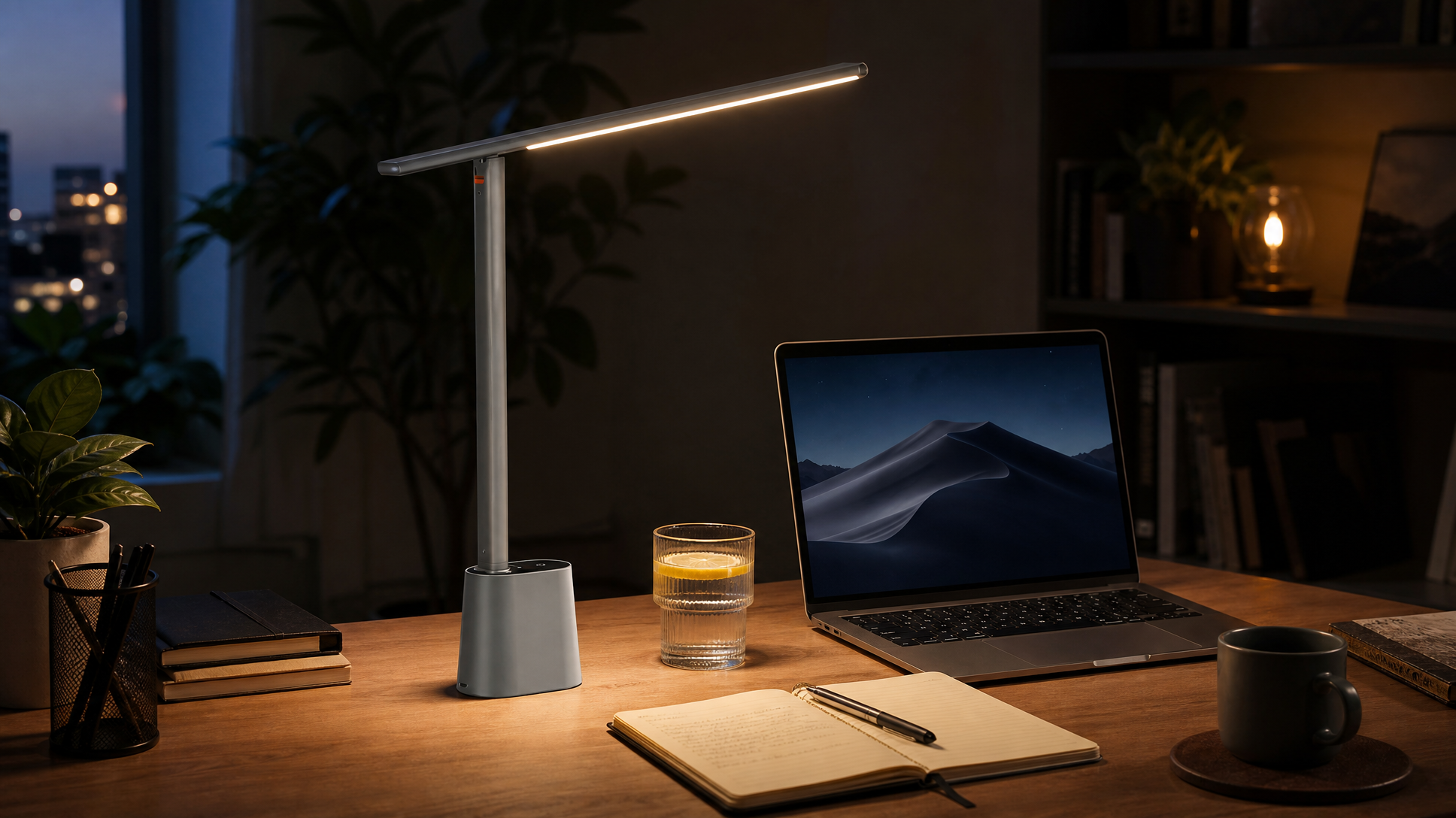
- Low-profile linear LEDs integrate into millwork and ceilings for clean lines.
- Recessed downlights and wall washers light features without clutter.
- Statement pendants and sculptural chandeliers serve as dramatic focal points.
- Fixtures may integrate tech like speakers or charging stations.
- Biophilic inspiration connects interiors with nature via organic forms.
This approach transforms lighting from simple necessity to functional artwork.
6. Color Temperature Preferences: Balancing Comfort and Clarity
Strategic use of color temperature enhances mood and productivity in different rooms:
- Warm white (2700K–3000K): Creates cozy atmospheres in living rooms and bedrooms.
- Neutral to cool white (3500K–4000K): Provides clarity and focus for kitchens, bathrooms, and work areas.
- Tunable white (2700K–6500K): Offers dynamic lighting that adapts to time and activity, reducing eye strain.
Smart controls help synchronize lighting color with daily routines for optimal comfort and clarity.
7. Minimalist Fixtures and Matte Finishes: Subtle Sophistication
Minimalist lighting in 2025 focuses on clean lines, understated elegance, and functional design that seamlessly enhances spaces without overstating.
- Soft matte finishes in black, brass, and ivory evoke warmth and refinement.
- Recessed or flush-mount fixtures maintain sleek ceilings.
- Discreet under-cabinet or track lighting offers focused illumination with minimal visual impact.
- Materials such as ceramic, bamboo, and brushed metals blend modern style with natural elements.
Pairing minimalism with vintage or natural textures creates balanced interiors that feel both contemporary and inviting.
8. Eco-Friendly Lighting Design: The Future Is Green
Sustainability drives innovation in 2025 lighting design, with strong focus on reducing environmental footprints without compromising style or technology.
- LED-exclusive setups cut energy consumption by up to 75%, especially when combined with smart automation.
- Materials sourced responsibly include bamboo, ceramic, recycled metals, and FSC-certified wood.
- Modular designs extend product life by enabling component upgrades over full replacements.
- Solar-powered lighting is increasingly preferred for outdoor and off-grid applications.
Consumers and designers alike seek out products emphasizing eco-conscious attributes and verified safety standards, supporting a greener future.
Conclusion: Embracing 2025’s Lighting Trends for Style, Wellness, and Efficiency
The lighting landscape in 2025 is a balance of smart technology, sustainability, and human wellness. Voice-controlled LEDs provide personalized convenience. Energy-efficient, eco-friendly LEDs pave the way for responsible consumption. Tunable white lighting supports natural rhythms, while vintage bulbs and architectural fixtures enrich spaces with character and functional beauty.
For homeowners, designers, and retailers, these trends offer a blueprint to create lighting that’s not only striking but also supportive of wellbeing and the planet. Embrace the innovations available today to craft spaces filled with intention, elegance, and enduring value.
Explore more about these advances and select your next lighting solutions from trusted retailers and expert guides.
Celebrate the season with savings — get 5% off your order using code EXCLUSIVE5 at checkout
FAQ
What makes smart LED lighting ideal for 2025?
Smart LED lighting offers unparalleled convenience through voice and app control, improves energy efficiency with automation and sensors, and allows full customization to suit moods and activities.
How do human-centric lighting systems benefit health?
By mimicking natural light cycles through tunable white LEDs, human-centric lighting supports circadian rhythms, improving sleep quality, alertness, and emotional balance.
Are vintage LED filament bulbs energy-efficient?
Yes, vintage LED filament bulbs use significantly less energy than traditional incandescent bulbs while providing the classic warm glow and style.
What materials are popular in sustainable lighting fixtures?
Materials like recycled aluminum, bamboo, ceramic, recycled glass, and FSC-certified wood are commonly used to reduce environmental impact without sacrificing design.
How can layered architectural lighting improve interior spaces?
Layered lighting combines ambient, task, and accent light sources, adding dimension, flexibility, and aesthetic depth to interiors, while highlighting architectural features elegantly.