Cart
0
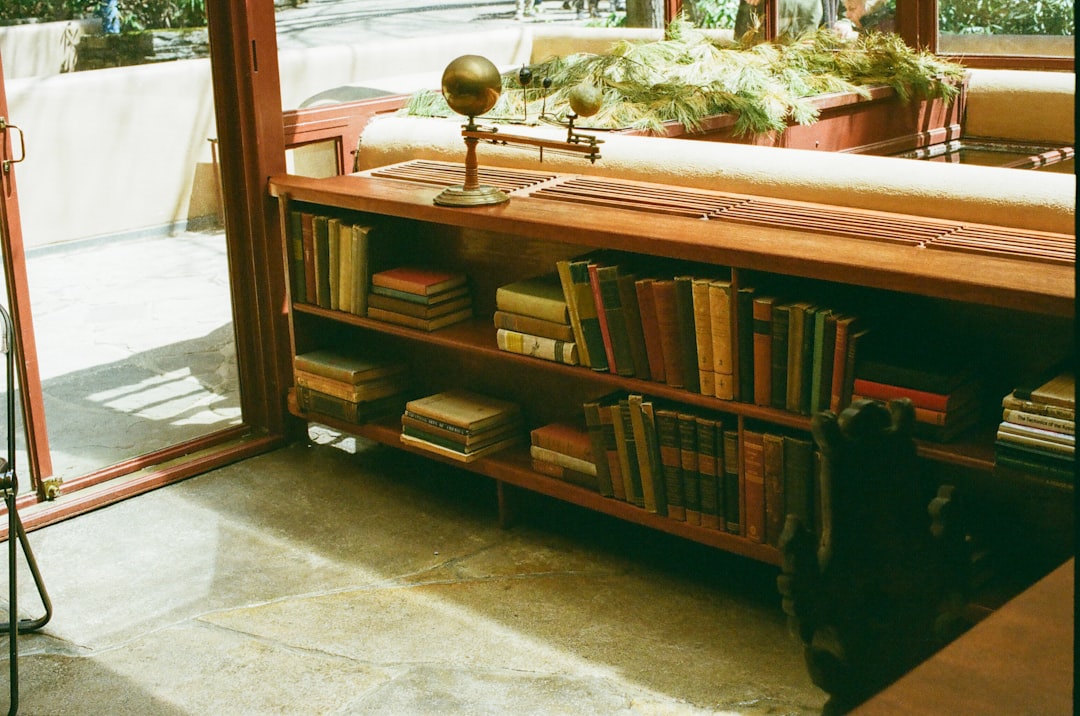
Second-Hand Bookstores: Rediscovering Literary Magic Beyond Mainstream Shelves
Discover why second-hand bookstores remain vibrant hubs of culture, sustainability, and serendipitous discovery in a digital age dominated by algorithms and mass production.
Key Takeaways
- Second-hand bookstores offer unique human-curated experiences unmatched by algorithm-driven online platforms.
- They promote sustainability by encouraging reuse and supporting local communities.
- Browsing these shops sparks serendipitous literary discoveries and deep personal connections to books as objects.
- The tactile and sensory aspects of physical books remain irreplaceable for many readers.
- Second-hand bookstores nurture cultural diversity beyond bestsellers and trending titles.
Table of Contents
- 1. What Makes Second-Hand Bookstores Special?
- 2. The Human Touch in Curation
- 3. Serendipitous Literary Discovery
- 4. The Unique Atmosphere
- 5. Supporting a Sustainable Literary Ecosystem
- 6. Comparing Bookstore Models
- 7. Why Physical Books Still Matter
- 8. Why Readers Should Explore Second-Hand Bookstores Today
- 9. Bringing It All Together
1. What Makes Second-Hand Bookstores Special?
In a world increasingly shaped by algorithms and streamlined by online giants, second-hand bookstores stand apart as soulful and serendipitous havens. These charming shops brim with pre-loved books — from forgotten classics to rare, out-of-print gems — inviting readers to wander beyond the mainstream.
Unlike the polished, data-driven selections of big chains, second-hand bookstores celebrate books as tangible objects filled with stories beyond their printed words. They nurture a love not just for reading, but for discovery and community.
2. The Human Touch in Curation
Mainstream retailers rely heavily on algorithms to predict and promote mass appeal titles. This often narrows the diversity of voices readers encounter. In contrast, second-hand bookstores showcase collections curated by passionate staff and local communities, reflecting personal tastes and quirks.
- Staff recommendations spark delightful surprises.
- Shelves hold vintage books, rare editions, and obscure authors.
- Books are arranged by affinity, not sales data, encouraging open-ended browsing.
"Browsing the bookstalls along the Seine felt like uncovering long-lost literary treasures—an intimacy impossible in corporate retailers." — Sergio Esquivias Read more on his experience
3. Serendipitous Literary Discovery: The Joy of Browsing Used Bookstores
A second-hand bookstore is a place of quiet exploration, much like wandering a serene forest with new surprises at every turn. The allure comes from unexpected finds—a peculiar title, an evocative cover, or a handwritten note inside.
This experience resonates with the Japanese idea of Tsundoku: the art of acquiring books with hope and intention. Books here are more than digital files; they are physical, tactile artifacts connecting readers through time and space.
Explore these themes further on LitHub and CrimeReads.
4. Beyond Convenience: The Unique Atmosphere of Second-Hand Bookstores
While second-hand shops may lack the polish and inventory volume of mainstream stores, they more than compensate with their atmospheric charm. Visitors are greeted by towering shelves, the nostalgic scent of aged pages, and the quiet buzz of discovery.
- Browsing becomes a patient, purposeful ritual.
- Books reveal their life stories through ragged spines and yellowed pages.
- Staff interactions often uncover unexpected insights or personal stories.
Some liken the experience to wandering Diagon Alley—magical, mysterious, and full of possibility. In an era obsessed with instant gratification, these bookstores encourage readers to pause and connect deeply with literature.
Discover more reflections on bookstore ambiance and book hunting at CrimeReads and LitHub.
5. Supporting a Sustainable Literary Ecosystem with Used Books
Second-hand bookstores contribute importantly to environmental and social sustainability by circulating books locally and reducing waste.
- Local reuse: Keeps books in circulation, reducing landfill waste.
- Accessible pricing: Affordable titles ranging from $1–$10.
- Community support: Encourages local business and face-to-face exchange.
Unlike online retailers with global shipping footprints, second-hand shops embody a circular economy model—giving books new lives while nurturing neighborhood social fabric.
6. Comparing Bookstore Models: Second-Hand vs. Mainstream and Online
| Aspect | Second-Hand Bookstores | Mainstream/Online Platforms |
|---|---|---|
| Discovery Method | Human-curated shelves, tactile browsing | Algorithmic searches prioritizing bestsellers |
| Sustainability | Local reuse, reduced waste, community support | Broader shipping footprint, waste from remainders |
| Experience | Serendipity, personal interaction, tactile exploration | Convenience-focused, vast but impersonal |
| Typical Cost | $1–$10 per title, variable | $3–$15 + shipping fees |
For an in-depth comparison, visit Used bookstores vs. online marketplaces – Pros, cons, hidden costs.
Celebrate the season with savings — get 5% off your order using code EXCLUSIVE5 at checkout
7. Embracing the Ritual: Why Physical Books Still Matter
Books transcend mere content—they are personal artifacts infused with history and emotion. Each second-hand book carries traces of former owners: inscriptions, worn corners, imprints of love and attention. These nuances create a sensory richness digital copies cannot replicate.
- Building a physical personal library at home
- The feel, smell, and weight of a real book
- The aesthetic presence of books as décor and memory
The concept of Tsundoku captures the joy of collecting books as extensions of self—repositories of dreams, intentions, and identity. Writers and creators can celebrate this sentiment by highlighting the beauty of book ownership and the rituals around physical pages.
8. Why Readers Should Explore Second-Hand Bookstores Today
In a landscape dominated by digital convenience and algorithmic recommendation, second-hand bookstores offer a timeless counterbalance:
- Encouraging slow, mindful browsing and surprising literary encounters
- Modeling environmental responsibility through reuse and reduced waste
- Championing books as physical, artistic, and historical objects
- Supporting independent businesses and reflecting local culture
- Making literature economically and culturally accessible
For book lovers, conscious consumers, and culture seekers, these shops are invaluable gateways to a vibrant literary experience beyond the mainstream.
9. Bringing It All Together: The Enduring Value of Second-Hand Bookstores
Second-hand bookstores are more than transactional retailers — they are dynamic archives of creativity, community, and curiosity. Standing as quiet resistors against mass production and predictive algorithms, they remind us how books can enrich many lives through their ongoing journeys.
When you visit a second-hand bookstore, you join a literary continuum. You support sustainable creative ecosystems. You rediscover the forgotten, the beloved, and the hidden. You do not simply buy a book; you keep its magic alive.
Explore further the magic and sustainability of these bookstores: Why second-hand bookstores matter today, The secret to shopping in used bookstores – LitHub, What makes used bookstores wonderful – CrimeReads, Used bookstores vs. online marketplaces – Pros, cons, hidden costs.
FAQ
Q1: Are second-hand books in good condition?
Most second-hand bookstores carefully select books for sale, so while some may show wear like yellowed pages or spine creases, they are generally readable and intact. The character in their imperfections often adds to their charm.
Q2: Can I find recent bestsellers in second-hand bookstores?
Second-hand stores primarily offer older or previously owned books. Recent bestsellers may appear, but availability is unpredictable. These shops shine best for exploring diverse, vintage, or obscure titles.
Q3: How do second-hand bookstores support sustainability?
By recirculating books instead of encouraging new print runs, these shops reduce waste, lower demand for raw materials, and cut down shipping emissions, contributing positively to a circular economy.
Q4: Are prices better in second-hand bookstores than online?
Generally yes. Second-hand bookstores price many books between $1 and $10, often cheaper than new or shipped online copies. However, rare books or collectibles may command higher prices.
Q5: How can I find second-hand bookstores near me?
Local directories, community forums, or simply exploring your neighborhood can help. Websites and apps dedicated to independent bookstores often list them by area. Visiting helps sustain these valuable spaces.