Cart
0
Smart Lighting Systems: Transform Your Home and Office with Intelligent Illumination
Smart lighting systems revolutionize how we illuminate our spaces, offering seamless control, enhanced energy efficiency, and personalized ambiance through advanced LED technology and wireless connectivity.
Key Takeaways
- Smart lighting integrates LEDs with wireless tech for remote, automated, and customizable lighting.
- Energy savings can reach up to 75% with efficient LEDs and smart automation features.
- Personalized lighting improves mood, productivity, and supports healthy circadian rhythms.
- Security is enhanced via motion sensors, simulated occupancy, and integration with alarm systems.
- Smart lighting contributes to sustainability by lowering carbon footprints and reducing waste.
- Choosing compatible systems and understanding installation options is key for optimal use.
Table of Contents
- Introduction to Smart Lighting Systems
- How Smart Lighting Systems Work: Technology and Connectivity
- Energy Efficiency and Cost Savings
- Smart Lighting in Home Integration
- Smart Lighting for Security and Safety
- Sustainability Benefits
- Smart Lighting in Commercial Spaces
- Choosing the Right Smart Lighting System
- Conclusion
- FAQ
Introduction to Smart Lighting Systems
Smart lighting systems are transforming how we illuminate homes and offices by combining advanced LED technology with wireless connectivity and intelligent automation. These systems offer convenience, energy savings, and customizable ambiance—all managed through smartphones or voice assistants like Alexa and Google Home. More than just remote on/off control, smart lighting creates adaptive environments tailored to your mood, daily schedule, and needs, while significantly reducing energy consumption.
1. How Smart Lighting Systems Work: Technology and Connectivity
Smart lighting systems use wireless protocols such as Wi-Fi, Bluetooth, and Zigbee to link bulbs, LED strips, and integrated fixtures with mobile apps and voice assistants. This connectivity allows for effortless remote control, scheduling, and automation of light settings.
- Smart Bulbs: Plug-and-play with adjustable brightness and colors.
- LED Strips and Panel Lights: Offer decorative and functional lighting for larger or uniquely shaped spaces.
- Built-in Fixtures: Sleek, modern lighting seamlessly integrated into interiors.
Control is provided through apps or voice platforms like Amazon Alexa, Google Assistant, and Apple HomeKit. These ecosystems enable advanced automation such as synchronized dimming during movie nights, creating both comfort and wow factor.
Compatibility is crucial; many smart devices support multiple protocols or use hubs to bridge them. For unified control of diverse devices, apps like the Leona® Smart App simplify management of brightness, color temperature, scheduling, and scenes across brands.
2. Energy Efficiency and Cost Savings with Smart Lighting
Smart lighting drastically reduces energy consumption, often cutting usage by up to 75% compared to incandescent bulbs.
Why LED Smart Lighting Saves Energy
- Consumes up to 85% less energy than traditional bulbs.
- Long lifespan of 15,000 to 50,000 hours reduces replacements and waste.
- Saves money on bulb replacements and reduces environmental impact.
Automation that Minimizes Power Waste
- Schedules & Timers: Lights adapt automatically to your routine.
- Motion and Occupancy Sensors: Activate lighting only when someone is present.
- Ambient Light Detection & Dimming: Adjust brightness based on daylight levels.
These features can quickly offset installation costs and benefit both residential and commercial environments. For example, offices syncing lighting with calendar apps align energy use perfectly with room occupancy, enhancing comfort and reducing waste.
3. Smart Lighting in Home Integration: Customizing Ambience and Mood
Smart lighting elevates home ambiance by allowing nuanced control over color temperature and brightness, impacting mood and wellness.
Color Temperature and Intensity Control
- Cool White Light: Increases alertness and focus, ideal for work areas.
- Warm Light: Creates cozy, relaxing settings for evenings and social spaces.
- Custom Scenes & Color Control: Tailored presets for dinners, movie nights, or parties.
- Circadian rhythm syncing gently mimics natural light patterns to support better sleep.
Room-by-Room Lighting Ideas
- Living Room: Shift between bright gathering light and soft evening hues.
- Kitchen: Crisp lighting to enhance clarity and safety.
- Bedroom: Adaptive dimming encourages restful atmospheres.
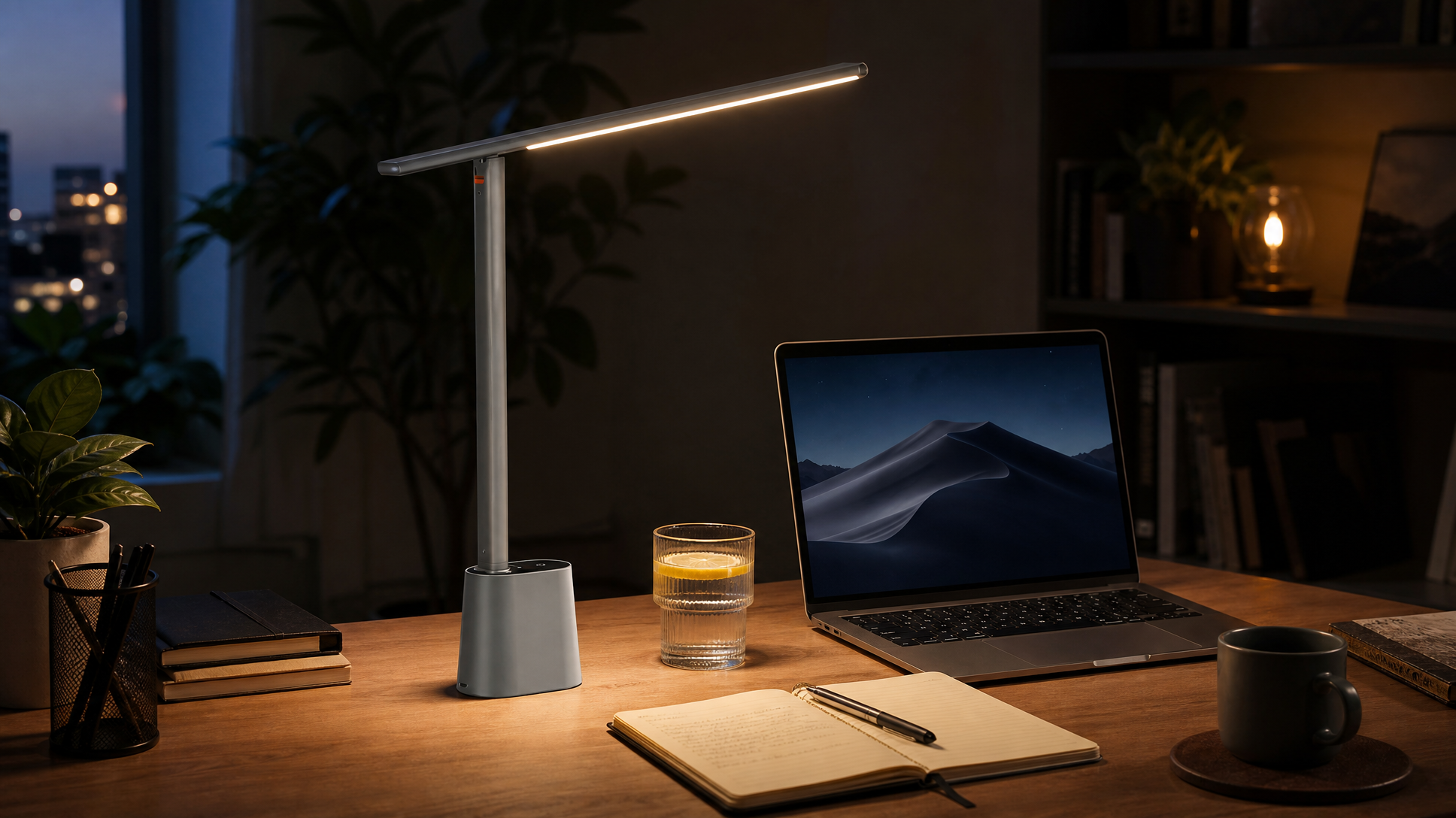
- Home Office: Adjustable lighting to reduce eye strain and improve focus.
From single bulbs to whole-home integrated systems, smart lighting scales to fit every upgrade and lifestyle.
4. Smart Lighting for Security and Safety
Smart lighting enhances security by leveraging automation and sensors to deter intruders and improve night-time visibility.
Key Safety Features
- Motion-Activated Lights: Illuminate paths and entrances on detection.
- Simulated Occupancy: Lights turn on/off following schedules to mimic presence when away.
- Security Integration: Sync lighting with alarms and cameras for real-time incident awareness.
- Nighttime Lighting: Soft, gradual illumination to protect vulnerable household members after dark.
These features enhance safety without increasing energy use or complexity, providing peace of mind for homeowners and businesses alike.
5. Sustainability Benefits of Smart Lighting
Smart lighting contributes significantly to environmental sustainability by reducing energy consumption and waste.
- Lower Carbon Footprint: Efficient lighting cuts greenhouse gas emissions.
- Less Waste: Longer-lasting LEDs mean fewer bulb replacements and landfill waste.
- Auto-Off Features: Lights do not remain on unnecessarily, conserving power.
- Energy Star Certifications: Ensure systems meet high-performance and efficiency standards.
Smart cities like Jakarta have cut public lighting energy use by up to 70%, highlighting smart lighting’s vital role in sustainable urban development.
6. Smart Lighting in Commercial Spaces: Boosting Productivity and Saving Costs
In workplaces, smart lighting improves energy management while creating more comfortable, productive environments.
- Calendar Integration: Lights adjust to meetings and occupancy without manual intervention.
- Task-Responsive Lighting: Cooler lights for focus; warmer tones for breaks.
- Occupancy Sensors: Automatically turn off lights in unused spaces, saving energy.
- Health & Wellness: Lighting aligned with circadian rhythms reduces strain and boosts well-being.
By blending lighting with building management, offices become more efficient, comfortable, and cost-effective.
7. Choosing the Right Smart Lighting System: Compatibility and Installation Tips
Selecting a system that fits your existing ecosystem and needs ensures smooth operation and satisfaction.
- Wireless Protocols: Confirm support for Wi-Fi, Bluetooth, or Zigbee and if a hub is required.
- Smart Ecosystem Compatibility: Ensure integration with Alexa, Google Home, or Apple HomeKit.
- Product Type: Choose between simple smart bulbs or built-in fixtures based on your project scope.
- Control Options: Look for intuitive apps, voice controls, and automation features.
- Energy Performance: Prioritize ENERGY STAR-certified products for savings and reliability.
Beginners may start with smart bulbs, while advanced users can explore panel lighting or integrated solutions. Consider the Leona® Smart App for unified control over multiple devices and brands.
Conclusion: Embrace Smart Lighting for a Brighter, Smarter Future
Smart lighting combines intelligent design with real benefits—energy savings, enhanced security, improved wellness, and adaptable control to fit your lifestyle. Whether you want to cut costs, reduce your carbon footprint, or create more welcoming spaces, smart lighting offers a future-proof solution. Start small and let your system grow with your needs—the future of illumination is efficient, adaptive, and completely in your hands.
Celebrate the season with savings — get 5% off your order using code EXCLUSIVE5 at checkoutc
FAQ
What wireless protocols do smart lighting systems use?
Most smart lighting systems use Wi-Fi, Bluetooth, and Zigbee. Some require a hub to bridge devices, while others connect directly to your home network. Verify your product's compatibility with your smart home setup before purchasing.
How much energy can I save with smart lighting?
Smart lighting can reduce energy consumption by up to 75% compared to traditional incandescent bulbs, thanks to efficient LEDs and automation features that minimize waste.
Can smart lighting support my daily routine?
Yes, smart lighting can be automated with schedules, motion sensors, and even integrate with calendar apps to adapt lighting to your daily activities and preferences.
Is it difficult to install smart lighting systems?
Smart bulbs are generally easy to install—just replace existing bulbs and connect them via an app. Built-in fixtures or panel lights may require professional installation but offer a cleaner look and advanced options.
How does smart lighting improve security?
Motion-activated lighting, simulated occupancy schedules, and integration with security systems increase visibility, deter intruders, and support real-time monitoring, enhancing home and building safety.