Cart
0

Effective Lighting Design at Home: Mastering the Art of Illumination for Attractive and Functional Spaces
Lighting is more than just brightness—it’s an integral design element that shapes atmosphere, function, and mood. This guide explores how layering ambient, task, and accent lighting can transform your home into a versatile, stylish, and inviting sanctuary tailored to your lifestyle in 2026.
Key Takeaways
- Layered lighting—combining ambient, task, and accent sources—is essential for warmth and flexibility.
- Room-specific lighting strategies maximize functionality and ambiance.
- Fixture size, style, and craftsmanship influence both aesthetics and illumination quality.
- Choose bulbs carefully: color temperature and brightness dramatically affect mood.
- Dimmers and smart controls elevate adaptability and enhance energy efficiency.
Table of Contents
- 1. Unveiling the Marvel of Layered Lighting
- 2. Room-by-Room Strategies for Illuminating Your Living Space
- 3. Handpicking the Perfect Fixtures: Size, Style & Craftsmanship
- 4. Illuminating Elegance: Bulbs and Color Temperatures
- 5. Elevating Adaptability through Dimmers and Smart Controls
- 6. Outdoor Illumination: Crafting Inviting and Secure Exteriors
- 7. Common Lighting Missteps to Dodge
- 8. Parting Thoughts: Embark on a Journey of Transformation
- FAQ
1. Unveiling the Marvel of Layered Lighting
Layered lighting transforms a room beyond mere brightness by integrating multiple light sources to create depth, comfort, and flexibility. Relying exclusively on overhead illumination often produces flat, uninviting spaces. Instead, combine three fundamental types:
- Ambient lighting: Provides general illumination for overall visibility and warmth via chandeliers, recessed ceiling lights, or flush mounts.
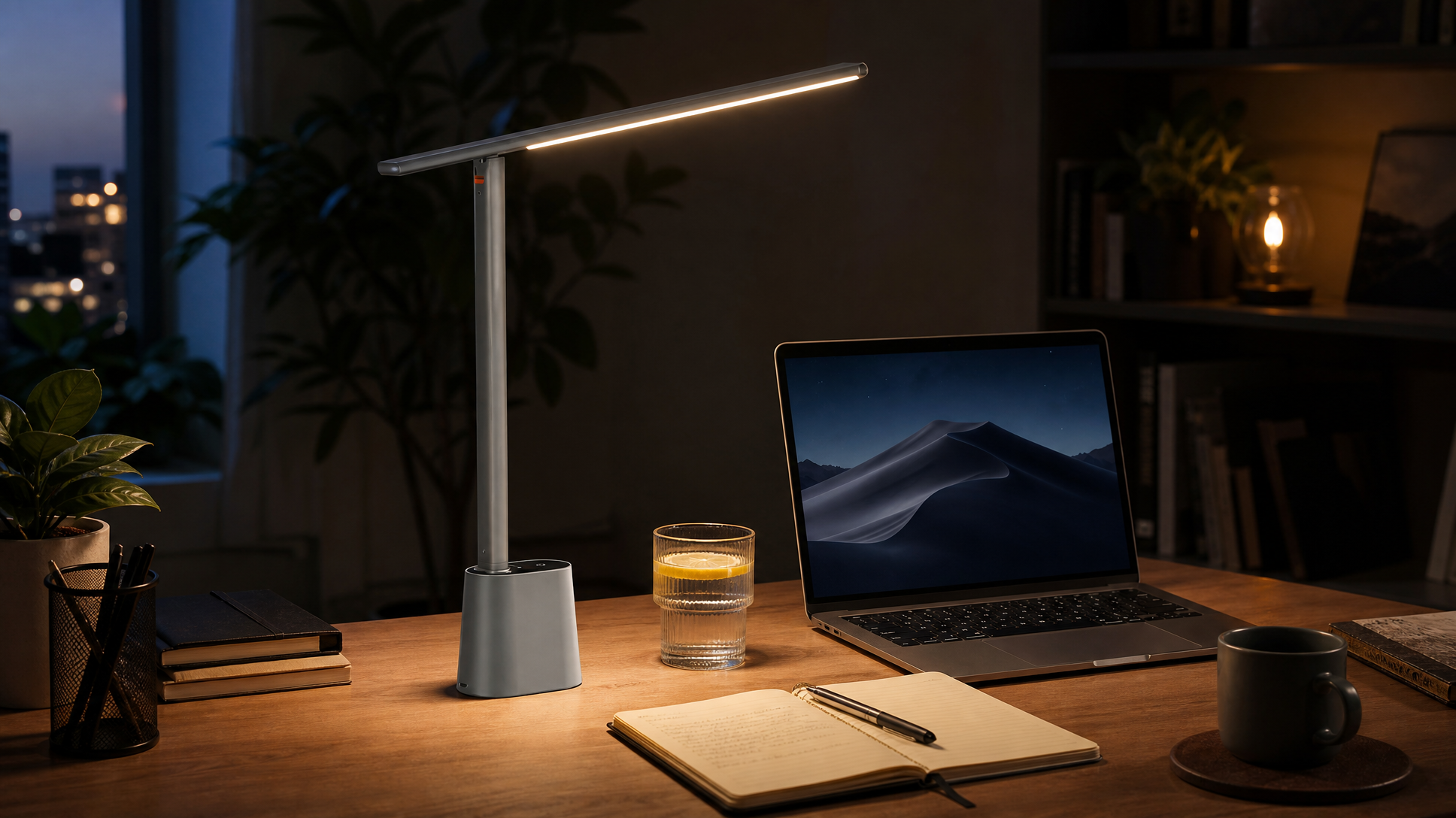
- Task lighting: Targets specific activities like reading or cooking with pendants, under-cabinet fixtures, or wall sconces.
- Accent lighting: Highlights architectural features or decorative objects using track lighting, picture lights, or spotlights.
By layering these, you can tailor brightness to your needs—dimming ambient light for cozy nights or spotlighting task areas for focused work, achieving spaces that feel both practical and inviting.
2. Room-by-Room Strategies for Illuminating Your Living Space
Living Room
- Use recessed fixtures or a large chandelier for even ambient light.
- Incorporate stylish floor lamps near seating for task lighting.
- Accentuate art or architectural elements with sconces or picture lights.
- Install dimmers on all lights to customize mood per occasion.
Kitchen
- Bright recessed or ceiling-mounted fixtures for ambient lighting.
- Task lighting like under-cabinet strips or pendants over work areas.
- Accent lighting for dining zones or shelves adds character.
- Opt for cooler 3000K LEDs for a vibrant, clean ambiance.
Bedroom
- Dimmable ceiling or wall-mounted ambient lights create cozy warmth.
- Adjustable wall sconces or bedside lamps support nighttime reading.
- Accent lighting highlights feature walls or décor subtly.
- Smart controls enable easy transitions with color temperature and brightness adjustments.
Bathroom
- Blend recessed and flush-mount ambient lighting for even illumination.
- Wall sconces near mirrors provide bright, shadow-free task light.
- Use accent lights to frame mirrors or showcase tile textures.
- Soft white bulbs (~2700K) ensure flattering, natural tones.
Dining Room
- A chandelier or pendant sized half to two-thirds of the table length offers warm ambient lighting.
- Wall sconces or buffet lamps add depth and warmth.
- Accent lighting highlights art or architectural features.
- Dimmers allow mood control for various mealtime occasions.
Outdoor Spaces
- Ambient light from post lights or lanterns for general visibility.
- Task lighting enhances safety on steps and entryways.
- Accent lighting highlights landscaping and architectural details.
- Decorative string or recessed wall lights create inviting atmospheres.
- Smart outdoor lighting adapts brightness and improves energy efficiency.
3. Handpicking the Perfect Fixtures: Size, Style & Craftsmanship
Fixtures are not just sources of light but significant design statements influencing both function and aesthetics.
- Sizing: Larger rooms require bigger or multiple fixtures to maintain proportionality—for example, a dining chandelier should be half to two-thirds the table length. Wall sconces generally sit 60–66 inches above floor level, aligned with adjacent furniture or architectural elements.
- Style and Materials: 2026 trends favor sculptural, artistic fixtures crafted from handblown glass, reactive metals, and textured surfaces that double as artwork. Collaborations with renowned designers yield bespoke lighting that becomes the room’s centerpiece.
- Example: The Lucy Light pendant’s bubbly handblown glass and hand-applied bronze finish create a tactile glow that transforms any environment.
4. Illuminating Elegance: Bulbs and Color Temperatures
Bulb choice affects both the functionality and feel of a space by altering color and brightness:
- Warm White (2700K): Creates cozy, inviting atmospheres; perfect for bedrooms, living, and dining rooms.
- Soft White (3000K): Bright and cheerful, ideal for kitchens and bathrooms.
- Cool White (4000K+): Crisp and energizing; suited for workspaces but can feel stark if overused.
- Brightness: Measured in lumens; higher lumens mean brighter light. LED bulbs are preferred for efficiency, longevity, and versatility.
- Dimmability: Choose bulbs compatible with dimmers to fully control ambiance and efficiency.
5. Elevating Adaptability through Dimmers and Smart Controls
Modern lighting systems offer dynamic control beyond simple on/off functions:
- Dimmers permit gradual adjustment of brightness, allowing for tailored moods and energy savings.
- Smart Lighting Systems: Using AI and automation, these adapt lighting patterns, adjust color temperatures based on time of day, and provide remote control through apps or voice commands.
- These solutions prolong bulb lifespan, maximize comfort, and offer highly personalized lightscapes suitable for multi-use rooms.
6. Outdoor Illumination: Crafting Inviting and Secure Exteriors
Extending your home's ambience outdoors enhances safety, aesthetics, and usability:
- Layer ambient, task, and accent lighting to cover general visibility, navigational safety, and visual focus on landscaping or architectural elements.
- Subtle fixtures like recessed wall or alcove lights maintain exterior elegance without harsh shadows.
- Ornate lanterns and post lights serve as artistic accents enhancing character.
- Festoon or string lights create warm, inviting spaces for social gatherings.
- Smart outdoor lighting adjusts brightness automatically, fortifying security and reducing energy use.
7. Common Lighting Missteps to Dodge
- Overreliance on overhead lighting: Results in flat spaces with harsh shadows.
- Improper fixture scaling: Undersized or oversized fixtures disrupt visual harmony.
- Poor bulb quality: Incorrect color temperature or brightness hinders ambiance and task performance.
- Skipping layered lighting: Eliminates comfort and flexibility.
- Neglecting dimmers and controls: Limits ambiance customization and energy efficiency.
“Thoughtful lighting design enriches your home’s personality, transforming everyday spaces into experiences filled with warmth, style, and ease.”
8. Parting Thoughts: Embark on a Journey of Transformation with Thoughtful Lighting Imprints
Lighting shapes more than just visibility—it architects experiences harmonizing with your lifestyle and aspirations. By layering ambient, task, and accent lighting, handpicking exquisite fixtures and bulbs, and embracing modern smart controls, your home evolves into a haven of comfort, elegance, and adaptability. Bypass common pitfalls and let your unique spaces shine through carefully curated illumination.
Start layering your lighting design today and watch as your home transitions from ordinary to extraordinary, reflecting the artistry and innovation that define 2026’s lighting trends.
Discover expertly curated fixtures and smart systems at HomeGnome’s 2026 Lighting Trends to begin your transformation journey.
FAQ
What is layered lighting and why is it important?
Layered lighting combines ambient, task, and accent lighting sources within a space to create depth, flexibility, and balance. It prevents flat, uncomfortable spaces by allowing different lights to serve varied purposes and moods, tailoring the lighting to your activities and ambiance preferences.
How do I choose the right fixture size for a room?
Consider the room’s dimensions: larger rooms need bigger or multiple fixtures for proportional balance. For example, chandeliers over dining tables should be about half to two-thirds the table’s length. Additionally, wall sconces should be mounted between 60 and 66 inches from the floor, aligned with doors or furniture.
What color temperature bulbs should I use in different rooms?
Warm white (2700K) is ideal for cozy spaces like bedrooms and living rooms. Soft white (3000K) works well in kitchens and bathrooms for a bright yet comfortable feel. Cool white (4000K+) is suited for workspaces requiring crisp illumination but may feel sterile in living areas.
Are smart lighting systems worth integrating into my home?
Yes. Smart lighting systems provide adaptability by automatically adjusting brightness and color temperature based on your routines. They enable remote control, improve energy efficiency, and extend bulb lifespan, making your lighting environment more personalized and convenient.
How can outdoor lighting improve my home’s safety and appeal?
Layered outdoor lighting enhances visibility for safety, illuminates pathways and entryways, and accentuates landscaping or architecture, boosting curb appeal. Incorporating smart outdoor lighting can automate brightness adjustments for security and energy savings, crafting inviting and safe outdoor living spaces.