Cart
0
How Interior Design and Lighting Impact Mental Health and Well-Being
Our living environments profoundly shape our emotions, productivity, and overall health. By harmonizing interior design and lighting solutions focused on wellness, you can create spaces that elevate mood, promote restful sleep, and boost daily energy levels.
Estimated reading time: 10 minutes
Key Takeaways
- Natural light regulates circadian rhythms and uplifts mood through serotonin release.
- Color psychology guides the emotional tone of rooms—cool tones relax, warm hues energize.
- Layered lighting—ambient, task, accent—enhances functionality and mood control.
- Smart lighting technology adapts to your lifestyle, improving comfort and eye health.
- Biophilic design connects you with nature, lowering stress and increasing serenity.
- Minimalism and decluttering foster calm and mental clarity in your spaces.
- Ergonomic furniture supports both physical comfort and mental well-being.
Table of Contents
- 1. Unlocking the Potential of Natural Light
- 2. The Art of Color Psychology: Nurturing Your Mind with Hues
- 3. Crafting Balanced Environments through Layered Lighting Design
- 4. The Transition to Smart Lighting Technology
- 5. Embracing Nature Indoors through Biophilic Design
- 6. The Essence of Minimalism and Decluttering
- 7. Embracing Ergonomic Furniture: Comfort Nurtures Both Mind and Body
- 8. Practical Tips for Wellness-Focused Design
- 9. In Conclusion: Nurturing Mental Health through Space Design
- FAQ
1. Unlocking the Potential of Natural Light
Natural light is a cornerstone of wellness-oriented interior design. It orchestrates our body’s circadian rhythm—the internal clock regulating sleep and wakefulness—and stimulates serotonin production, promoting mood stability and reducing depression symptoms.
- Circadian rhythm management: Daylight signals your body when to rest and be alert.
- Boosting serotonin levels: Helps counter seasonal affective disorder and uplifts mood.
- Enhancing sleep quality: Morning sunlight exposure leads to better nighttime rest.
- Increasing productivity: Natural light sustains energy and sharpens focus throughout the day.
A notable study by Medicinal Media identifies natural light as the strongest interior design factor supporting mental wellness, especially in low-sunlight regions such as the UK.
Would you like to explore further how natural light can positively impact well-being? Visit langenhoven.com for more insights.
2. The Art of Color Psychology: Nurturing Your Mind with Hues
Colors influence our emotions and behaviors profoundly. Carefully chosen palettes set the tone for relaxation or stimulation, depending on each room’s purpose.
Serene Shades for Tranquility
- Blue: Promotes calmness and concentration, evoking sky and water.
- Green: Connected to nature; reduces cortisol levels by up to 30%. Sage green is ideal for restful areas like bedrooms and living spaces.
- Soft neutrals: Beige and gray tones create a peaceful setting without dullness.
Vibrant Tones for Vitality
- Yellow: Radiates positivity, perfect for creative spaces like kitchens.
- Orange: Encourages enthusiasm and social connection.
- Terracotta and earthy hues: Warm the atmosphere with energized comfort.
Splendor and Spiritual Connection
Purple evokes luxury and spiritual calm, best used sparingly as an accent.
Tailoring colors to room function can optimize emotional benefits: cool tones for bedrooms to unwind, warm tones for offices to stimulate.
For natural, high-quality color options, explore Provenza Unique Travertine tiles by Emilceramica.
Curious to learn more about the effects of colors on well-being? Delve into this fascinating study at biophilicflair.com.
3. Crafting Balanced Environments through Layered Lighting Design
Effective lighting combines multiple layers, each serving different roles to enhance mood and function. The three key types are:
- Ambient lighting: General illumination from ceiling fixtures or wall-mounted lights.
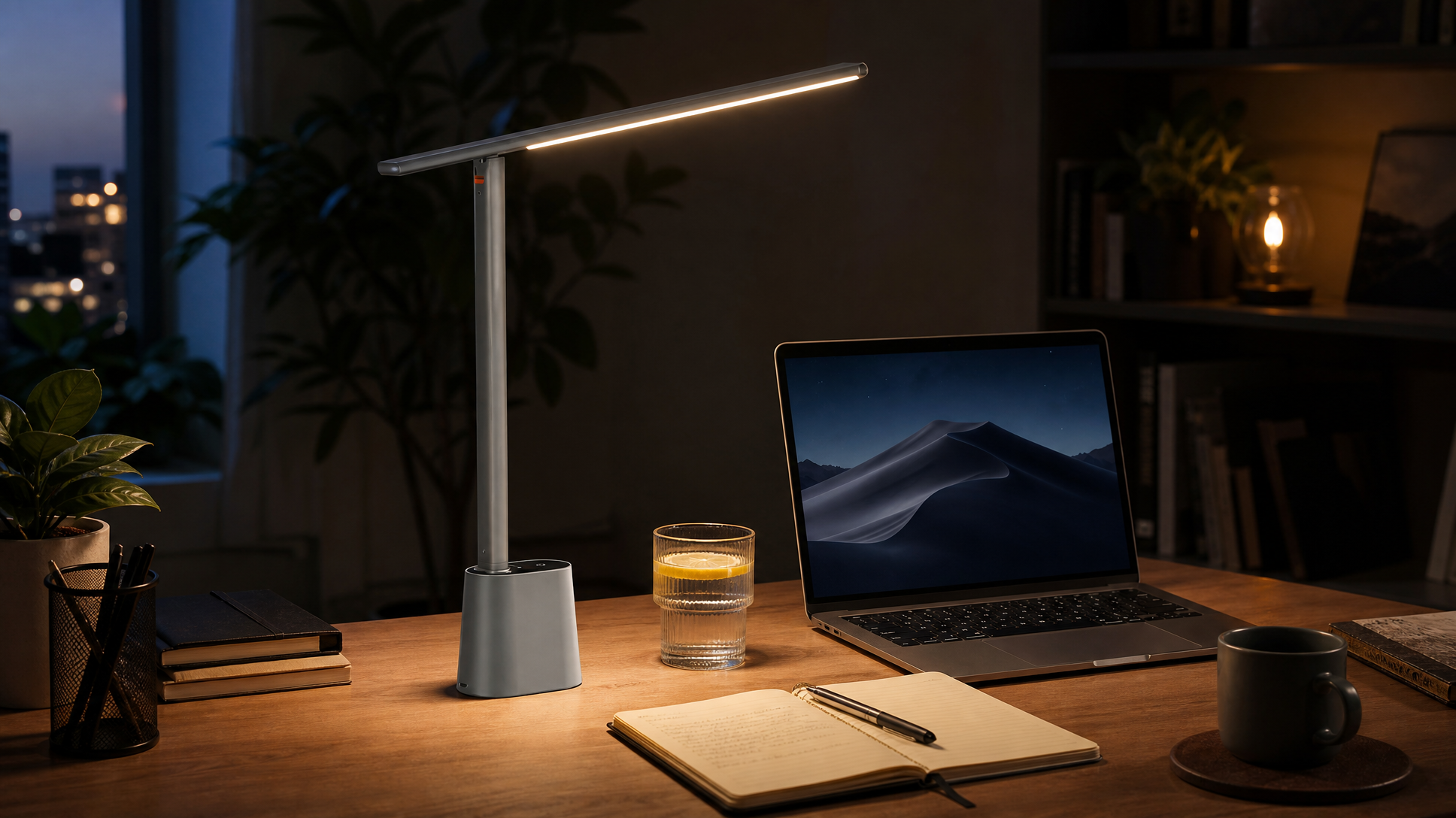
- Task lighting: Bright, focused light for specific activities like reading or cooking.
- Accent lighting: Decorative or mood enhancing lights highlighting features or artwork.
Layered lighting enables smooth switches between work and relaxation phases, supports productivity with cool bright lights, and creates cozy atmospheres with dimmed warmth.
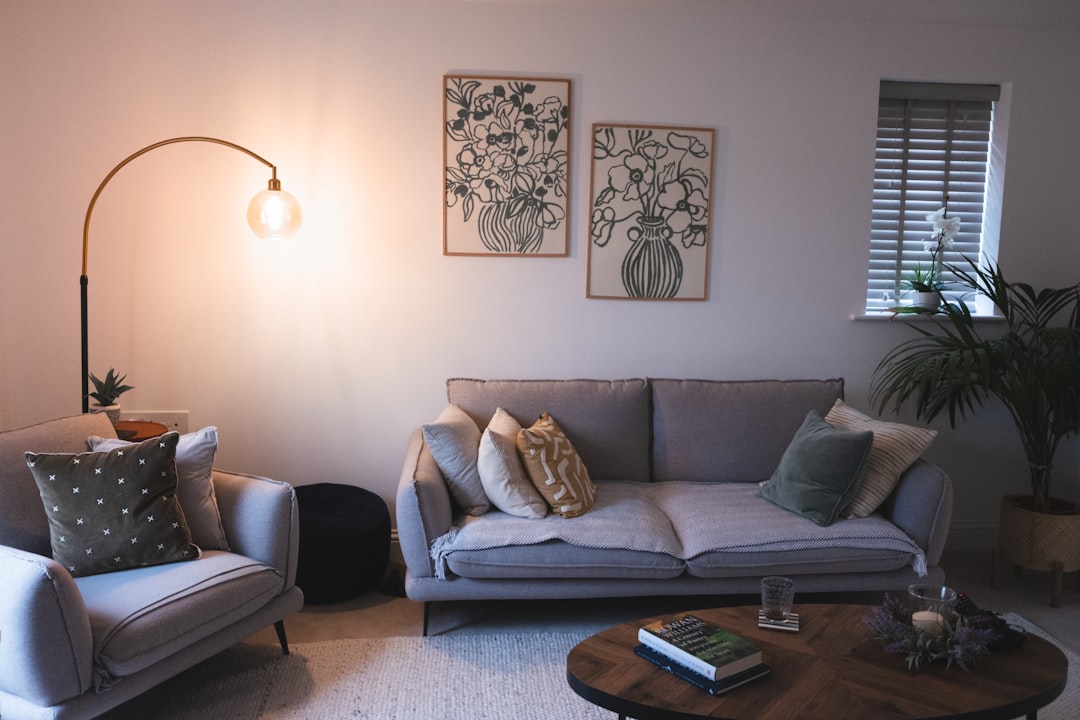
Using dimmers or smart controls lets you fine-tune intensity and color temperature based on your needs and time of day. Combining pendant lights, wall sconces, and floor lamps enriches depth and style while meeting practical needs.
For deeper insights into layered lighting for mental well-being, visit langenhoven.com.
4. The Transition to Smart Lighting Technology
Smart LED systems allow dynamic control of brightness and color temperature, syncing your lighting to natural rhythms easily via taps or voice commands.
- Dynamic color temperature: Cool, blue-spectrum light boosts daytime alertness; warm red tones enhance evening relaxation.
- Customizable presets: For work, relaxation, or social settings.
- Flicker-free LEDs: Reduce eye strain and headaches.
- Energy efficiency: Smart scheduling and sensors help conserve power.
The TCP Accents lighting series exemplifies this technology by offering adaptable color patterns and temperatures that transition environments from vibrant days to restful nights.
For more insights on smart lighting’s positive effect on mental well-being, see lightingline.eu.
5. Embracing Nature Indoors through Biophilic Design
Connecting with nature indoors helps reduce stress and supports health by incorporating natural elements and patterns into your home.
- Indoor plants or living green walls
- Natural materials like wood, stone, and woven fibers
- Balconies, rooftop gardens, and large windows framing natural views
- Textures and patterns inspired by nature’s forms
These features promote mental tranquility by visually and physically linking indoor spaces with the natural environment.
Dive deeper into biophilic design and its wellness impact at wallpaper.com.
6. The Essence of Minimalism and Decluttering: Cultivating Calm Spaces
Visual clutter overwhelms the mind and heightens stress. Minimalist interior design emphasizes simplicity, clear lines, and purposeful furniture layouts to create serene atmospheres.
- Use multifunctional furniture to maximize space
- Organize belongings with smart storage solutions to maintain tidiness
- Keep only items that serve a purpose or bring joy
- Arrange spaces to allow free movement and visual harmony
Decluttering frees mental space, fostering calmness and enhanced focus. Together with ergonomic furniture, this supports both mental and physical health.
7. Embracing Ergonomic Furniture: Comfort Nurtures Both Mind and Body
Interior design should balance mental sharpness with physical ease. Ergonomic furniture helps prevent discomfort that can cause stress and fatigue.
- Chairs with proper lumbar support maintain healthy posture
- Adjustable desks reduce fatigue during prolonged use
- Soft cushions encourage relaxation
- Dedicated rest zones foster mental rejuvenation
By combining ergonomic furniture with thoughtful lighting and natural elements, maintaining energy, health, and focus throughout the day becomes simpler.
8. Practical Tips for Wellness-Focused Interior Design and Lighting
- Maximize natural light: Incorporate spacious windows, bifold doors, and reflective surfaces.
- Choose colors responsibly: Cool blues and greens for rest areas; warm tones for lively spaces.
- Design lighting layers: Blend ambient, task, and accent lighting with dimmers for control.
- Leverage smart lighting: Tailor settings to your moods and daily routines.
- Bring nature inside: Use plants and natural materials to alleviate stress.
- Declutter regularly: Use storage and multifunctional furniture to keep spaces orderly.
- Invest in ergonomics: Prioritize comfort with supportive furniture and workspace design.
Incremental adoption of these approaches can transform your home into a sanctuary that nurtures mental and physical wellness.
9. In Conclusion: Nurturing Mental Health through Space Design
Interior design and lighting wield powerful influence over mental health and overall wellness. By harnessing natural light, selecting purposeful colors, layering lighting thoughtfully, embracing smart technology, integrating biophilic principles, minimizing clutter, and incorporating ergonomic solutions, you can build spaces that uplift mood, reduce stress, and enhance daily performance.
Whether planning a full redesign or small updates, these wellness-centered principles offer attainable, impactful strategies to enrich your living environment and everyday happiness. Start with small changes, experiment with lighting, and watch your home evolve into the restorative haven you deserve.
Would you like to explore an array of quality lighting accessories that align with your wellness-focused design goals? Discover Lightsdaddy, your reliable source for chic and intelligent lighting solutions.
FAQ
How does natural light improve mental health?
Natural light regulates your circadian rhythm, helping establish healthy sleep-wake cycles. It also boosts serotonin production, which elevates mood and reduces symptoms of depression and seasonal affective disorder.
What colors are best for relaxation and focus?
Cool colors like blue and green promote relaxation and concentration, ideal for bedrooms and study areas. Warm colors such as yellow and orange stimulate energy and social engagement, perfect for kitchens and living rooms.
What is layered lighting and why is it important?
Layered lighting combines ambient, task, and accent lighting to fulfill different functional and emotional needs. It allows you to adapt illumination for work, relaxation, and highlighting features, thus improving comfort and mood.
How can smart lighting systems benefit daily well-being?
Smart lighting adjusts brightness and color temperature dynamically to align with your natural rhythms, supports eye health with flicker-free LEDs, and offers customizable presets to suit different activities and moods.
What role does biophilic design play in mental wellness?
Biophilic design introduces natural elements indoors, which reduce stress and foster relaxation through visual and physical connection to nature. It improves mental clarity, reduces anxiety, and promotes overall well-being.