Cart
0
Mastering Kitchen and Dining Lighting: The Ultimate Guide to the 2026 Rules and Trends
Discover how to transform your kitchen and dining areas with the latest lighting rules and trends for 2026. Achieve perfect ambiance, functionality, and style by mastering layering techniques, fixture placement, smart controls, and complementary interior design principles.
Key Takeaways
- Implement the Rule of Three lighting types: ambient, task, and accent to create balanced kitchen lighting.
- Follow the 30-inch pendant lighting rule for optimal placement above kitchen islands and dining tables.
- Integrate smart controls and dimmers to personalize lighting levels and color temperature throughout the day.
- Use warm white lighting between 2700K and 3000K for inviting and flattering kitchen and dining spaces.
- Incorporate new 2026 trends like organic pendant shapes, natural materials, and sculptural fixtures for a modern look.
- Complement lighting with interior design rules such as the 60/30/10 color scheme, focal points, and texture layering.
Table of Contents
- 1. The Kitchen Lighting Rule of Three
- 2. The 30-Inch Pendant Lighting Rule
- 3. Smart Controls and Dimming
- 4. Choosing the Right Color Temperature
- 5. Interior Design Rules to Complement Lighting
- 6. Retiring Outdated Lighting Trends for 2026
- 7. Versatility of Kitchen Lighting Rules Across Rooms
1. The Kitchen Lighting Rule of Three
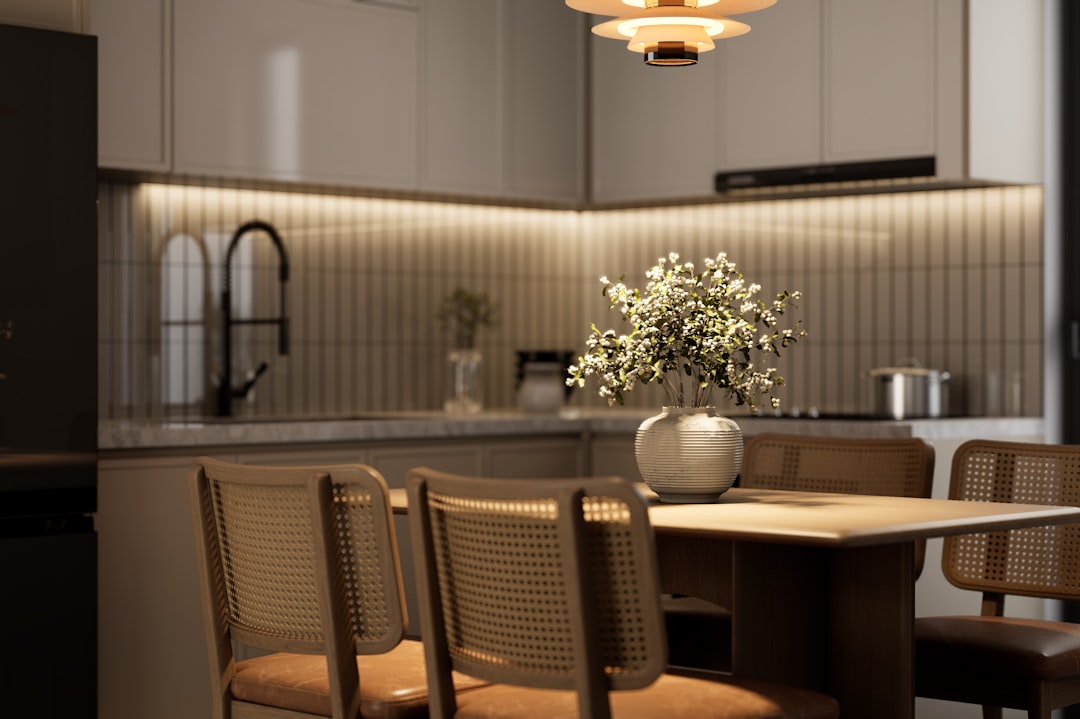
Creating effective kitchen lighting means applying the Rule of Three, which blends three lighting types—ambient, task, and accent—to combine beauty with function. This layering approach ensures a kitchen space that is both practical and inviting.
Ambient Lighting: The Base Layer for Warmth and Mood
Ambient lighting offers overall illumination that sets a warm, shadow-free atmosphere. Options like recessed LED wafer lights, flush mount ceiling fixtures, or dimmable chandeliers softly diffuse light to enhance your kitchen’s décor while creating comfort.
Task Lighting: Illuminating Work Zones with Precision
Task lighting targets areas such as kitchen islands, countertops, and ranges, providing bright and shadow-free light essential for activities like chopping and cooking. Popular choices include under-cabinet LED strips, adjustable sconces, and pendant lights above work surfaces—all designed to deliver focused illumination with low heat output.
Accent Lighting: Highlighting Features and Adding Drama
Accent lighting draws attention to architectural elements, decorative shelving, or textures, adding depth and visual interest. Examples include in-cabinet lights, toe-kick LEDs, and small countertop lamps, which create subtle layers that enrich your kitchen ambiance.
“Layering ambient, task, and accent lighting transforms kitchens from mere cooking spaces into warm, inviting hubs.”
2. The 30-Inch Pendant Lighting Rule
The 30-inch pendant lighting rule advises hanging pendant lights about 30 inches above surfaces such as kitchen islands or dining tables. This placement ensures effective task lighting without obstructing views or impeding conversation.
Adjustments can be made depending on ceiling height, pendant size, and family needs, making this guideline flexible and applicable in multiple settings beyond the kitchen.
For 2026, expect a shift toward pendant fixtures featuring soft, organic shapes and natural materials like curved glass, ceramics, and clustered designs that bring warmth and personality.
3. Smart Controls and Dimming
Incorporating dimmer switches and smart bulbs elevates your kitchen and dining lighting by allowing you to tailor brightness and color temperature throughout the day. Benefits include:
- Mood customization for different activities or times
- Improved energy efficiency
- Convenient control via apps or voice commands
- Seamless integration with existing smart home systems
4. Choosing the Right Color Temperature
Warm white lighting (2700K–3000K) remains the preferred color temperature for kitchens and dining areas. It creates an inviting feel, enhances natural textures, and minimizes harsh shadows. Smart lighting solutions provide flexibility to adjust this range according to your mood or occasion.
5. Interior Design Rules to Complement Lighting
To maximize the impact of your lighting, pair it with foundational interior design principles:
- Establish focal points within the space
- Apply the 60/30/10 color rule for balanced color distribution
- Preserve negative space to prevent clutter
- Mix and layer textures for depth
- Plan for smooth traffic flow and functionality
- Edit furnishings before adding new pieces
- Invest in quality basics to build a cohesive base
Lighting acts as the connective tissue that harmonizes these elements, enhancing both function and emotional appeal.
6. Retiring Outdated Lighting Trends for 2026
The focus in 2026 shifts away from flat, one-dimensional lighting designs toward smart layering, flexible dimming controls, and creatively sculptural fixtures. Irregular, artistic light fixtures allow homeowners to express personality and transform lighting into mini art installations while maintaining functionality.
7. Versatility of Kitchen Lighting Rules Across Rooms
Though designed with kitchens and dining areas in mind, these lighting principles seamlessly translate to other areas of your home. Mastering these rules fosters a cohesive, well-lit environment with balanced illumination and mood-enhancing layers throughout all living spaces.
“Good lighting design is the silent enhancer of every room—it complements and completes your décor without overpowering it.”
Ready to elevate your kitchen and dining lighting to the next level? Explore our expertly curated selection of pendant lighting, LED fixtures, dimmers, and smart controls at Lightsdaddy to bring your perfect vision to life.
FAQ
What is the Rule of Three in kitchen lighting?
The Rule of Three refers to layering three types of lighting—ambient, task, and accent—to balance general illumination, focused work light, and decorative highlighting for a functional and inviting kitchen.
How high should pendant lights hang over a kitchen island?
The pendant lights should hang about 30 inches above the surface, providing enough light to work comfortably without obstructing sightlines or conversation.
Why is warm white lighting recommended for kitchens and dining rooms?
Warm white light (2700K–3000K) creates a cozy, welcoming ambiance that flatters natural textures and reduces harsh shadows, making it ideal for gathering spaces like kitchens and dining rooms.
Can smart lighting systems help improve energy efficiency?
Yes, smart lighting systems improve energy efficiency by allowing precise control over brightness and scheduling, reducing unnecessary electricity use while enhancing convenience.
Are kitchen lighting trends applicable to other rooms in the house?
Absolutely. The principles of layered lighting, good fixture placement, and smart controls are versatile and can improve functionality and ambiance in any room.