Cart
0
Balancing Cost and Quality in Light Efficient Design: Smart Lighting for Modern Interiors
Discover how smart lighting solutions blend cost-effectiveness, quality, and sustainability to transform modern interiors into energy-efficient, comfortable, and personalized spaces.
Key Takeaways
- LED technology significantly reduces energy consumption and maintenance costs over time.
- Smart controls optimize lighting use by adapting to occupancy and natural light levels.
- Adaptive lighting enhances well-being by supporting circadian rhythms and mood personalization.
- Sustainable materials and designs lower environmental impact beyond energy savings.
- Integration with smart home systems creates seamless, intelligent living environments.
- Thoughtful planning and collaboration ensure the best balance between upfront costs and long-term value.
Table of Contents
- Introduction: The Importance of Balancing Cost and Quality
- Energy Efficiency: How LED Smart Lighting Saves Money and Power
- Adaptive Lighting: Enhancing Well-Being and Productivity
- Sustainable Lighting: Eco-Friendly Materials and Reduced Environmental Impact
- Smart Technology Integration Beyond Lighting
- Practical Tips for Balancing Cost and Quality
- The Market and Future Trends in Smart Light Efficient Design
- Conclusion: Embracing Smart Lighting for Sustainable, Personalized Interiors
- FAQ
Introduction: The Importance of Balancing Cost and Quality in Light Efficient Design
Lighting profoundly influences how we experience our living and working environments. It shapes mood, enhances productivity, boosts comfort, and even impacts health. Thanks to technological advancements, modern lighting solutions offer more than just aesthetics—they can significantly cut energy use and reduce long-term costs.
This blog explores how smart light-efficient design helps strike a practical balance between cost, quality, and sustainability. From innovative LED technologies to intelligent control systems, we'll examine how tailored lighting can elevate both form and function. Whether you're updating your home for greater comfort or designing contemporary spaces for clients, understanding these best practices ensures you maximize value without compromising on impact.
1. Energy Efficiency: How LED Smart Lighting Saves Money and Power
Why LED Lighting Is a Game-Changer
LEDs (Light Emitting Diodes) have dramatically reshaped residential and commercial lighting. Compared to traditional bulbs, they provide:
- Up to 75–90% less energy consumption, as LEDs convert most of their energy into light rather than heat.
- Exceptionally long life spans, lasting up to six times longer than incandescent or fluorescent options, which means fewer replacements and lower maintenance costs.
- Reduced operational expenses that outweigh their higher upfront cost when assessed over a product’s full lifecycle.
Not only do LEDs deliver consistent performance, but they also help reduce energy bills, making them a smart investment for both homes and businesses.
Smart Controls Amplify Efficiency
When paired with smart control systems, LED lighting becomes even more effective. Features like occupancy sensors, daylight harvesting, and programmable timers ensure lighting is only used when needed. This adaptive management:
- Minimizes energy waste.
- Prevents unnecessary fixture wear.
- Extends the lifespan of lighting components.
Smart lighting systems also offer:
- Custom schedules aligned with daily routines.
- Seamless integration with home automation platforms.
- Real-time adjustments through IoT connectivity.
Together, these technologies empower users to reduce consumption while enjoying lighting that's responsive and refined.
2. Adaptive Lighting: Enhancing Well-Being and Productivity
Supporting Circadian Rhythms Through Smart Lighting
Our circadian rhythms—internal clocks that regulate sleep, energy, and hormone cycles—respond directly to light. Smart lighting systems that mirror natural daylight patterns help synchronize these rhythms and offer benefits such as:
- Improved sleep quality by simulating warm evening light.
- Less fatigue and eye strain with gradually shifting brightness.
- Greater focus and mental clarity during peak hours through cool, bright lighting.
By adjusting color temperatures and brightness dynamically, smart lighting creates a more biologically attuned environment.
Personalized Lighting Scenes for Mood and Function
Today’s lighting systems let users craft tailor-made scenes based on activities and preferences. Think:
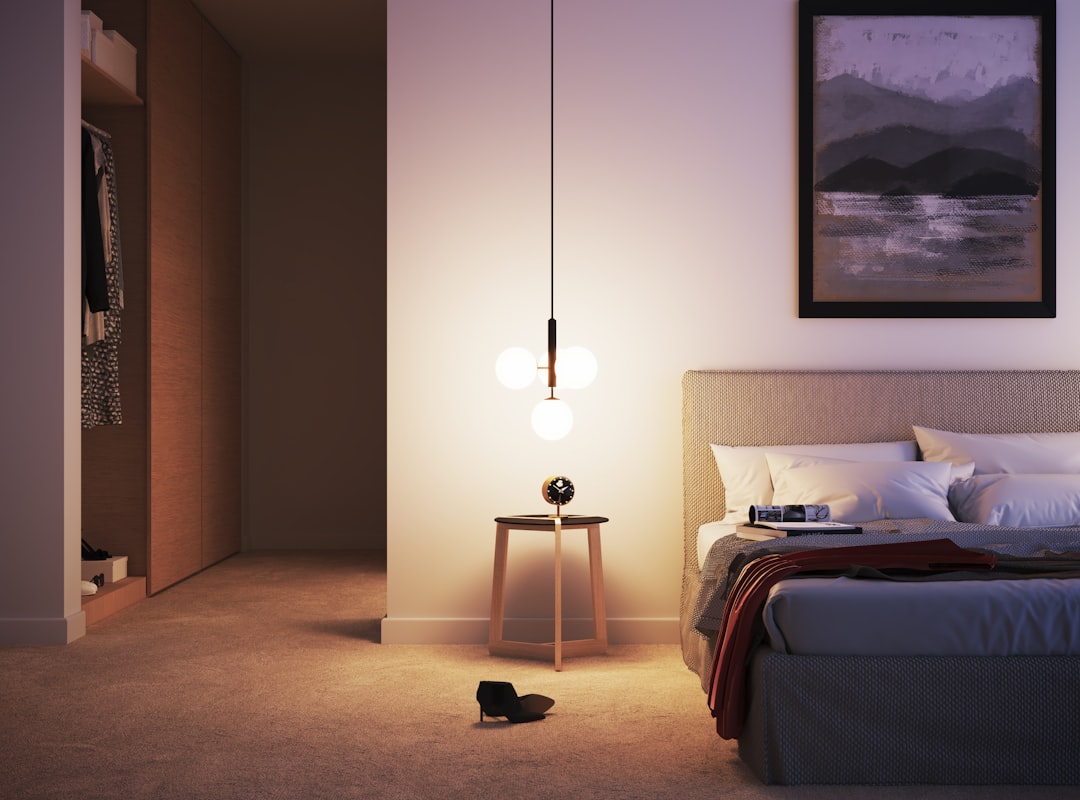
- A soft amber ambiance for winding down in the evening.
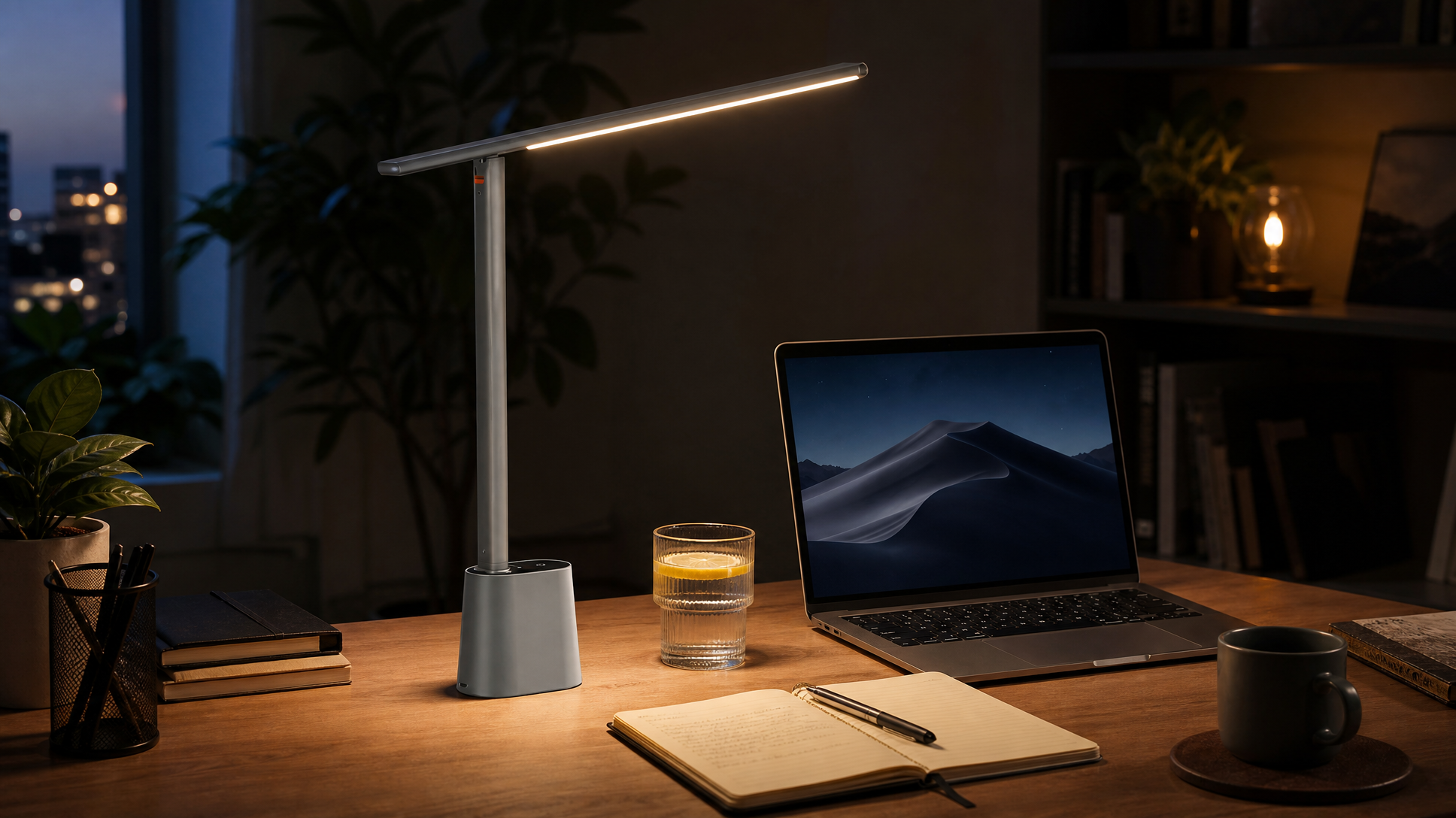
- Crisp, daylight-mimicking tones for focused work or reading.
- Natural transitions that support a smooth flow throughout the day.
This level of personalization not only enhances comfort but also gives each space a sense of identity tied to function and emotion.
Multi-Sensory Engagement
Advanced smart lighting often incorporates sound and motion sensors, creating immersive spaces. Lighting that syncs with music, or changes subtly in response to movement, can transform common areas into dynamic, engaging environments—whether in homes or public spaces.
3. Sustainable Lighting: Eco-Friendly Materials and Reduced Environmental Impact
LEDs: The Eco-Friendly Lighting Solution
LEDs are inherently more sustainable due to their:
- Lack of hazardous substances—unlike fluorescent options, they’re mercury-free and safer throughout their lifecycle.
- Greater longevity, which leads to less frequent replacements and reduced waste.
- Recyclable components, supporting circular design goals.
As a result, LEDs support greener manufacturing and usage practices.
Lowering Carbon Emissions
By using significantly less electricity and lasting longer, LED lighting slashes greenhouse gas emissions over time. When used alongside renewable energy sources or integrated into smart grids, LEDs become key to achieving net-zero energy targets in green building strategies.
Biophilic Design Integration
Smart lighting seamlessly dovetails with biophilic design—a philosophy that brings nature into built environments. By mimicking natural daylight rhythms and incorporating daylight-inspired tones, lighting systems can foster a calming, nature-connected experience. This not only nurtures well-being but also enhances spatial beauty and harmony.
4. Smart Technology Integration Beyond Lighting: Creating Intelligent Living Spaces
Seamless Control of Entertainment, Climate, and Security
Lighting integration with other systems enhances functionality without adding complexity. For example:
- Entertainment: Lighting synced with audio or projection systems creates immersive experiences controlled from a single interface.
- Climate control: Smart thermostats adjust heating and cooling based on occupancy and weather data, further conserving energy.
- Home security: Discreetly embedded cameras in lighting fixtures provide safety while preserving a clean aesthetic.
This level of interconnected control builds convenience, efficiency, and peace of mind.
Smart Furniture and Appliances
Technology is increasingly embedded in furniture and appliances, blending utility with style. Examples include:
- Coffee tables with built-in wireless charging.
- Touchscreen smart refrigerators with inventory management.
- App-controlled induction cooktops designed for energy efficiency.
These solutions elevate day-to-day living, offering responsive convenience without compromising design coherence.
Design Challenges: Blending Technology with Style
As homes become smarter, designers must navigate new challenges:
- Avoiding visual clutter from too many devices.
- Maintaining intuitive, user-friendly interfaces.
- Managing data privacy in interconnected systems.
Solutions lie in minimalist hardware, strategic device placement, and robust privacy frameworks that build user confidence and maintain aesthetic integrity.
5. Practical Tips for Balancing Cost and Quality in Smart Lighting Design
1. Conduct Lifecycle Cost Analysis
- Factor in total ownership costs—not just the purchase price but installation, energy use, maintenance, and lifespan.
- Higher up-front spending on quality LEDs and smart controls often yields significant long-term savings.
2. Select Materials and Fixtures Thoughtfully
- Use light-reflective finishes and diffusing materials to enhance natural light.
- Choose LED products rated for high color accuracy, durability, and energy certification standards.
3. Embrace Smart Controls Strategically
- Implement sensors that automate lighting based on occupancy and natural light levels.
- Offer programmable presets tailored to household routines and diverse user needs.
4. Collaborate Across Disciplines
- Engage architects, interior designers, and technology experts early in the design process.
- Ensure privacy, usability, and visual cohesion are built into the lighting system from the start.
5. Plan for Future Upgrades
- Select systems with compatibility for third-party devices and ongoing software updates.
- Look for lighting platforms that evolve with emerging trends and technologies.
6. The Market and Future Trends in Smart Light Efficient Design
Industry Directions to Watch
- AI-powered lighting systems that adapt automatically to user preferences.
- Multi-sensory environments combining light, sound, and temperature for richer experiences.
- Enhanced privacy controls with transparent user data management.
- Modular fixtures that adapt to changing design styles and spatial needs.
These trends ensure that light-efficient design continues to evolve—meeting the needs of modern living while staying grounded in environmental responsibility and human comfort.
Conclusion: Embracing Smart Lighting for Sustainable, Personalized Interiors
Smart lighting represents more than efficiency—it’s a catalyst for more comfortable, sustainable, and customized living spaces. By blending thoughtful design with intelligent technology, today’s lighting solutions deliver superior performance without dropping the ball on style or well-being.
From supporting natural rhythms to enhancing home automation, light-efficient design empowers homeowners and professionals to make smarter, greener choices. By prioritizing lifecycle savings, personalization, and seamless integration, lighting becomes a transformative force—enriching everyday life while helping protect the planet.
Explore our curated collection of energy-efficient LED lighting solutions to start your smart lighting journey today.
Celebrate the season with savings — get 5% off your order using code EXCLUSIVE5 at checkout
FAQ
What makes LED lighting more cost-effective despite higher upfront prices?
While LED lighting has a higher initial cost than traditional bulbs, its significantly lower energy consumption and long lifespan reduce operational and maintenance expenses over time, delivering excellent lifecycle cost savings.
How do smart controls improve energy efficiency in lighting?
Smart controls use sensors and programmable schedules to ensure lighting is only active when needed, minimizing waste, reducing energy use, and prolonging fixture life.
Can smart lighting systems support well-being?
Yes, adaptive lighting that adjusts color temperature and brightness can support circadian rhythms, reduce eye strain, improve sleep quality, and create personalized ambiance to enhance mood and productivity.
What are common challenges when integrating smart lighting with other home technologies?
Challenges include avoiding visual clutter, ensuring intuitive user interfaces, and protecting user privacy through secure and transparent data management.
How can I future-proof my smart lighting system?
Select systems compatible with third-party devices, support regular software updates, and choose modular fixtures that can adapt to evolving styles and technologies.