Cart
0
```html
Interior Lighting Trends 2026: Transform Your Living Spaces with Sculptural and Layered Lighting
Discover how 2026’s lighting trends elevate interiors from functional necessities to stunning sculptural art that brings warmth, texture, and personality to your home.
- Handcrafted, natural materials like alabaster, plaster, and verdigris add warmth and texture to lighting fixtures.
- Sculptural, organic shapes and asymmetrical arrangements create dynamic focal points beyond traditional lighting.
- Warm metal finishes—brushed brass, aged bronze, champagne gold—complement layered lighting schemes.
- Smart, energy-efficient LED lighting with adjustable color temperature enhances ambiance and sustainability.
- Layered lighting combining ambient, task, accent, and decorative light is key for functional, stylish living rooms.
- Lighting styles adapt to modern interiors—from minimalist to Bohemian—by balancing texture, form, and technology.
Table of Contents
- Embrace Sculptural Designs and Natural Materials
- Living Room Lighting Ideas: How to Layer and Customize
- Lighting in Modern Interior Design Styles
- Practical Principles for Perfect Interior Lighting
- Why Lighting Matters: A Final Word
- FAQ
1. Embrace Sculptural Designs and Natural Materials
The 2026 lighting landscape celebrates authentic, tactile craftsmanship that elevates fixtures to works of art. Handcrafted surfaces such as alabaster diffuse light softly, fostering cozy atmospheres. Plaster and ceramic finishes introduce earthy, artisanal textures, providing a welcoming contrast to last year’s sleek minimalism. Meanwhile, verdigris patinas on copper or brass give a vintage allure, beautifully paired with warm metals like brushed brass and aged bronze.
Designers Jennifer Greer Hartmann and Neal Thomas highlight how these materials bring personality and a handcrafted feel, moving lighting beyond cold, factory perfection toward intimate home warmth.
Sculptural fixtures with organic, flowing shapes are now centerpieces. Forget rigid grids—pendants with asymmetrical, dynamic curves provide both illumination and captivating room jewelry. Consider the eco-conscious banana hemp textile light sculpture by Mirei Monticelli as an inspiring example of art-meets-innovation.
Warm, muted metal finishes dominate. Brushed brass, aged bronze, champagne gold, and soft nickel replace cold chrome and steel, adding layered texture and a timeless patina. Mixing metals—for example, pairing antique bronze with matte black—enriches depth and style.
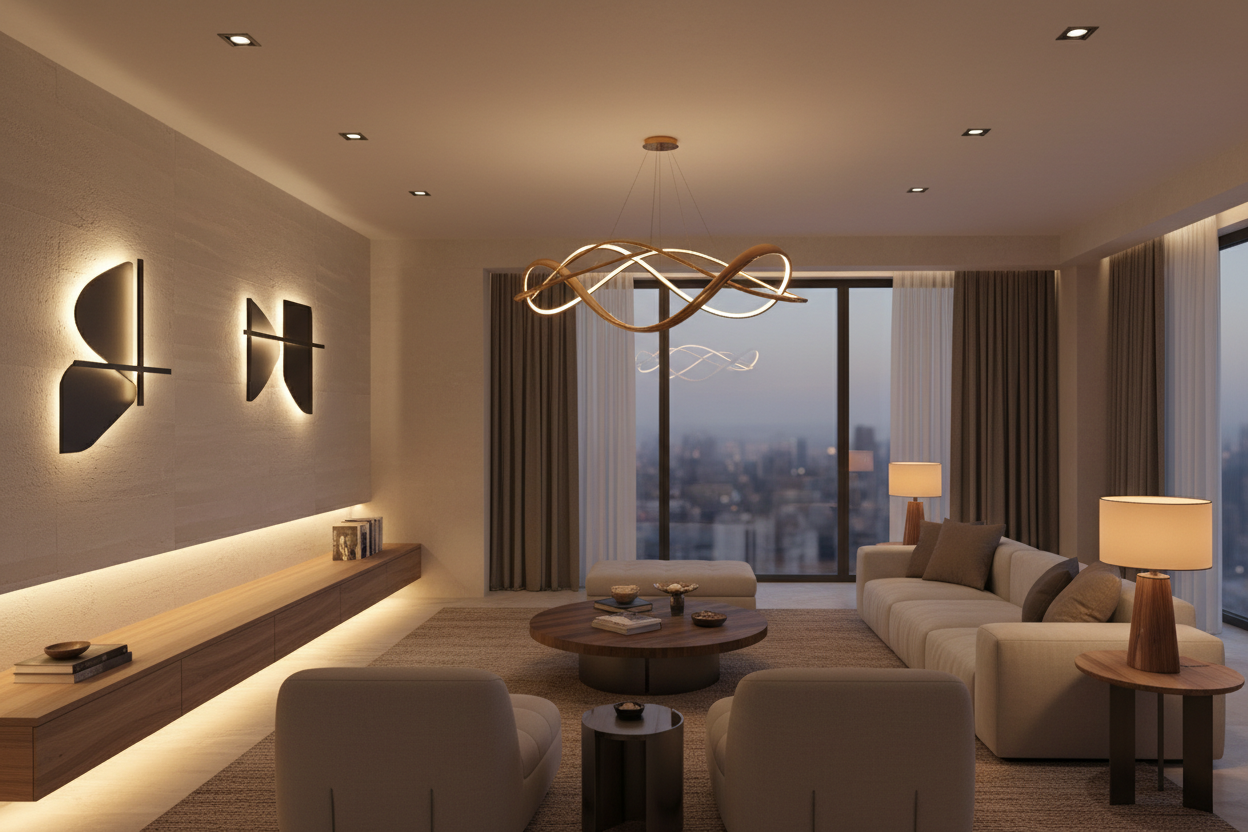
Lighting installation layouts embrace asymmetry and layering, with multiple fixtures arranged to create movement and surprise. Combining ambient, task, accent, and decorative lights, often dimmable and strategically placed, creates flexible, personalized atmospheres tailored to diverse needs.
Smart lighting with LED technology enhances energy efficiency and user control, offering adjustable brightness and color temperature to match mood and functionality throughout the day.
2. Living Room Lighting Ideas: How to Layer and Customize
Creating a well-lit living room involves mastering the four layers of light: ambient, task, accent, and decorative. Layered lighting allows you to adapt your space for socializing, relaxing, or focused activities with ease.
- Ambient lighting provides general illumination for overall brightness.
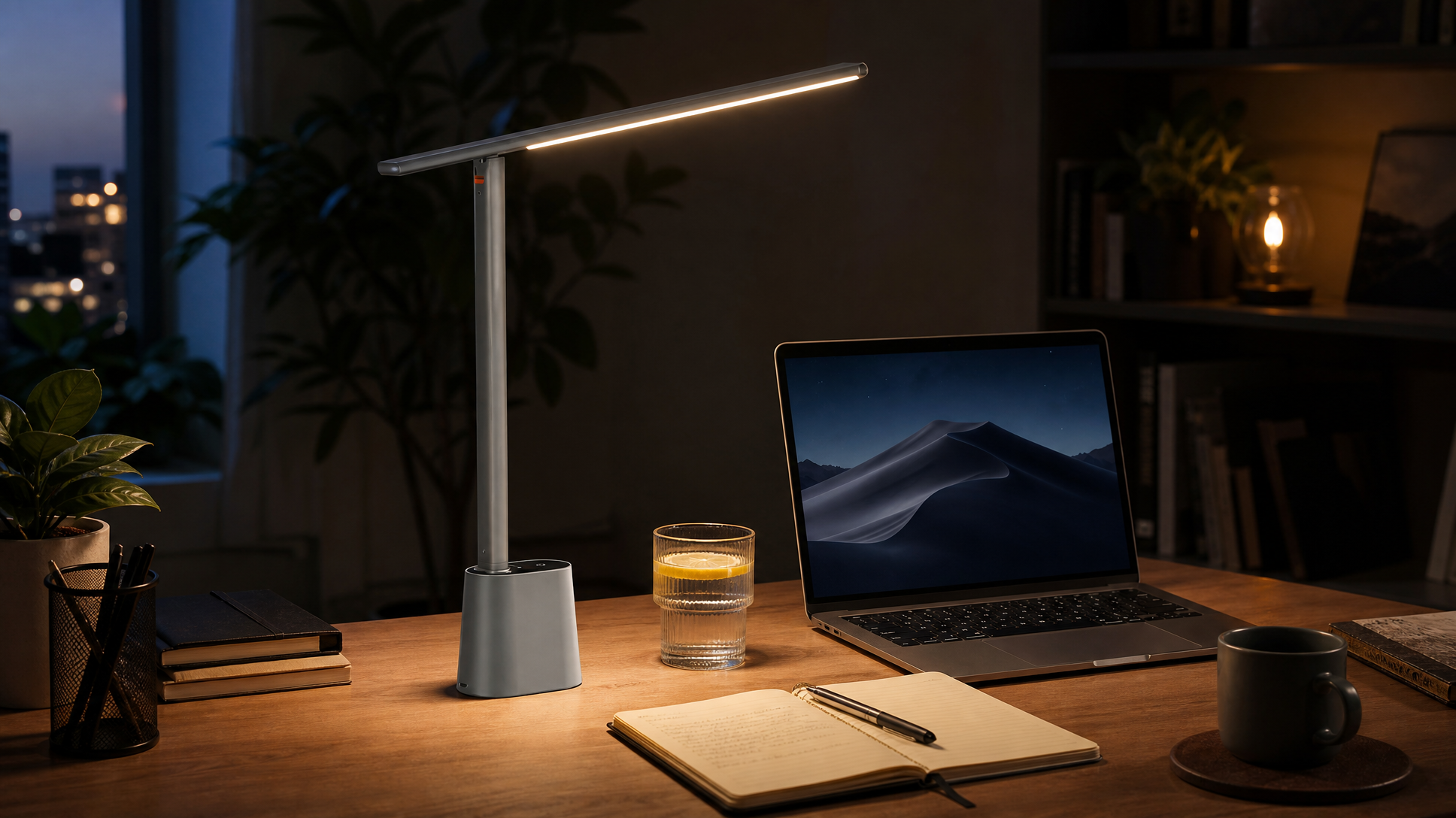
- Task lighting focuses on functional areas like reading corners or workspaces.
- Accent lighting highlights architectural features, artwork, or textures.
- Decorative lighting acts as stylish fixtures that serve as conversation starters.
Tips to elevate your living room:
- Hang pendants over coffee tables or seating clusters to anchor the space.
- Add wall sconces near shelves or artworks to personalize and elevate designs.
- Use oversized chandeliers or statement lighting to emphasize room height and drama.
- Mix finishes like brass and matte black unapologetically for a curated, layered aesthetic.
- Incorporate portable or seasonal lamps for added versatility and adaptability.
Integrating smart, dimmable bulbs and voice-activated controls lets you craft the perfect ambiance effortlessly. Lighting expert Kate McGregor advocates for adjustable layering as essential for stylish and comfortable living spaces. For more inspiration, visit Living Etc’s lighting advice.
3. Lighting in Modern Interior Design Styles
Lighting in 2026 aligns closely with distinct interior aesthetics, enhancing each style’s mood and principles through thoughtful fixture and material choices.
Minimalist: Subtle and Integrated
Favor slim, built-in fixtures that enhance architectural shapes quietly. Soft, warm lighting is key for balance without clutter.
Scandinavian: Warm, Layered Hygge
Combine multiple sources like pendants, floor lamps, and table lamps with tactile ceramic or plaster shades to create cozy, inviting pools of light.
Industrial: Raw and Utilitarian
Use metal fixtures with matte or distressed finishes—aged bronze or dark metals—and industrial elements like visible wiring for rugged appeal.
Mid-Century Modern: Functional Art
Select bold statement pieces such as Sputnik chandeliers and geometric pendants paired with warm brass or gold finishes and dimmable lighting.
Contemporary: Smart and Adaptable
Embrace smart lighting systems with sleek, organic shapes reflecting sculptural trends and energy-efficient LED tech.
Japandi: Gentle, Even Illumination
Opt for diffused, soft lighting with natural materials like alabaster and wood to support calm, focused spaces.
Bohemian: Organic Warmth and Layering
Mix mismatched yet complementary earthy fixtures with warm layered light pools, emphasizing handcrafted artistic looks.
Modern Farmhouse: Rustic Warmth Meets Contemporary Restraint
Balance brass and aged bronze metals with natural stone and leather textures to achieve cozy yet refined lighting.
Urban Modern: Dramatic Lighting and Contrast
Create bold focal points with oversized pendants and statement sconces contrasting warm metals with dark finishes and layered light.
Art Deco Revival: Ornamental and Symmetrical
Use glamorous, symmetrical fixtures crafted with detailed metal and glass work in warm golds and bronze reminiscent of the Art Deco era.
4. Practical Principles for Perfect Interior Lighting
- Master the Four Layers: Combine ambient, task, accent, and decorative lighting for adaptable, mood-enhancing spaces.
- Choose the Right Color Temperature: Warm light (2700K–3000K) for relaxing, cool light (3500K–4000K) for focus, adjustable via dimmers or smart bulbs.
- Material and Finish Harmony: Match fixture materials and finishes to the overall design style for cohesion and depth.
- Embrace Technology and Sustainability: Use LEDs for energy savings and longevity; smart controls enhance convenience and customization.
5. Why Lighting Matters: A Final Word
In 2026, interior lighting transcends pure functionality to become a vital artistic expression shaping mood, texture, and style. From layered, asymmetrical installations to handcrafted finishes and sustainable smart systems, lighting is an immersive design element that transforms ordinary spaces into extraordinary homes.
Homeowners and designers benefit from investing in statement fixtures, thoughtfully layering different light types, and selecting materials and technology that mirror lifestyle and aesthetic goals. Start by assessing your space’s specific needs, experimenting with versatile light layers, and embracing sculptural fixtures that reflect your personality. Let lighting be the jewel that truly makes your home shine.
"Lighting is the jewelry of the home—functional art that defines space and mood."
For curated collections emphasizing craftsmanship and natural materials, explore Hammerton Studio’s 2026 lighting insights.
FAQ
Q1: What are the main characteristics of 2026 lighting trends?
Key characteristics include handcrafted natural materials, sculptural and asymmetrical fixture designs, warm and muted metal finishes, layered lighting schemes, and integration of smart, energy-efficient technologies.
Q2: How can I layer lighting effectively in my living room?
Layer lighting by combining ambient, task, accent, and decorative lights. Use dimmers to control brightness and create different moods. Position pendants over seating, use sconces for accenting, and include portable lamps for flexibility.
Q3: Which metal finishes are trending in 2026?
Warm, muted finishes like brushed brass, aged bronze, champagne gold, and soft nickel are trending, often mixed to add texture and visual interest.
Q4: How does smart lighting improve interior design?
Smart lighting allows precise control over brightness and color temperature, adapts to different activities and times of day, enhances energy efficiency, and adds convenience with voice or app control.
Q5: Can lighting styles be adapted to various modern interiors?
Absolutely. Whether minimalist, Scandinavian, industrial, mid-century, contemporary, or bohemian, lighting can be tailored through fixture shapes, materials, finishes, and layering to complement each style’s unique personality.
```