Cart
0
How to Use Home Lighting to Boost Mood, Productivity, and Wellbeing
Discover how intentional home lighting can enhance your emotional health, focus, and sleep quality—transforming your living space into a sanctuary that supports your natural rhythms and overall wellbeing.
Key Takeaways
- Lighting regulates your circadian rhythm, influencing mood, sleep, and energy.
- Natural light plays a crucial role in boosting serotonin and melatonin balance.
- Layered lighting—from ambient to task and accent—creates adaptable, healthy spaces.
- Color temperature impacts alertness and relaxation; cooler light aids productivity, warmer light promotes calm.
- Smart lighting technologies simplify circadian-aligned schedules and improve energy efficiency.
Table of Contents
- Why Lighting Matters for Mood and Wellbeing
- The Role of Natural Light in the Home
- Layered Lighting: Creating Balance and Functionality
- How Color Temperature Impacts Productivity and Relaxation
- Smart Lighting Technology for Circadian Support
- Task Lighting That Supports Focus and Eye Comfort
- Lighting and Its Impact on Sleep and Hormonal Balance
- LED and Smart Lighting: Saving Energy While Enhancing Comfort
- Choosing Fixtures That Balance Style and Function
- How to Create a Health-First Lighting Plan for Your Home
- Conclusion
- FAQ
Why Lighting Matters for Mood and Wellbeing
Lighting is far more than a decorative feature; it is a key regulator of your body’s internal clock, the circadian rhythm. This 24-hour cycle controls sleep quality, hormone release, metabolism, and energy levels. By carefully managing your home lighting, you influence not just visibility but how you feel and perform.
- Enhances daytime alertness and mental focus
- Supports deeper, more restorative sleep
- Balances important hormones such as melatonin and serotonin
- Improves mood and reduces fatigue
Conversely, inconsistent or poorly timed lighting can disrupt these vital processes, leading to sleep difficulties, low energy, and decreased mental sharpness. Prioritizing lighting design is therefore essential for overall wellness.
The Role of Natural Light in the Home
Natural daylight remains the best light for regulating mood and circadian health. Sunlight elevates serotonin levels, helping you feel happier and more awake, while also triggering melatonin production in the evening for restful sleep.
To increase natural light in your home:
- Keep windows unobstructed by large furniture
- Use sheer curtains or light-filtering shades for privacy without blocking light
- Place mirrors or reflective surfaces to bounce light into darker rooms
Try placing a cozy chair near an east-facing window to create an energizing morning spot that jump-starts your day with natural light.
Morning sunlight also helps advance your internal clock, promoting balanced hormones and better sleep cycles. Learn more about light and your biological clock.
Layered Lighting: Creating Balance and Functionality
The secret to effective lighting is layering. Combining ambient, task, and accent lighting lets your home adapt to your needs—whether working, relaxing, or entertaining.
1. Ambient Lighting
This base layer provides overall illumination. Bright, cool-toned ambient lights during the day boost alertness, while dimmable fixtures help ease into evening calm.
2. Task Lighting
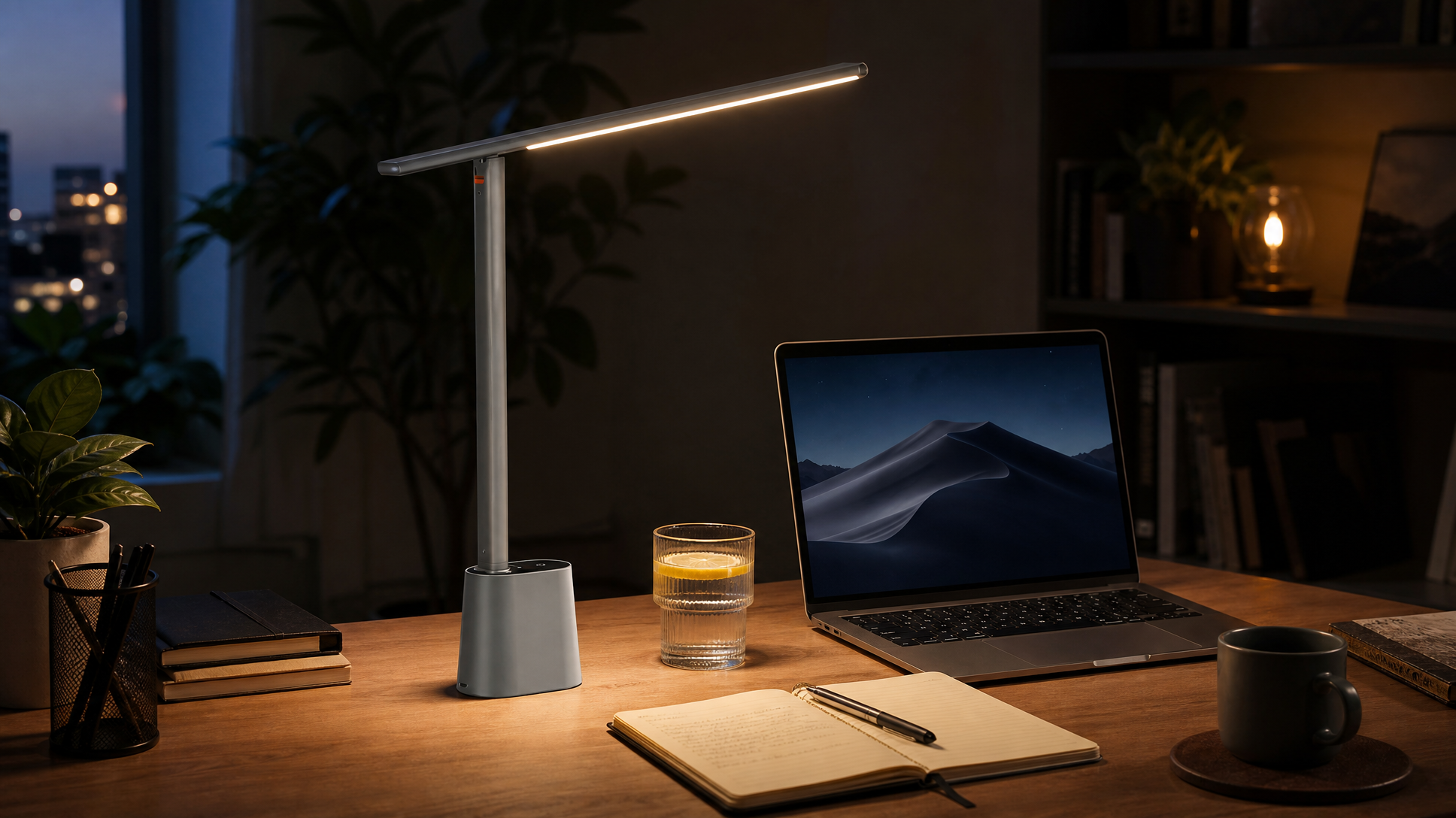
Focused lighting such as desk lamps, under-cabinet LEDs, or adjustable sconces reduce eye strain and improve precision for activities like reading, cooking, or working.
3. Accent Lighting
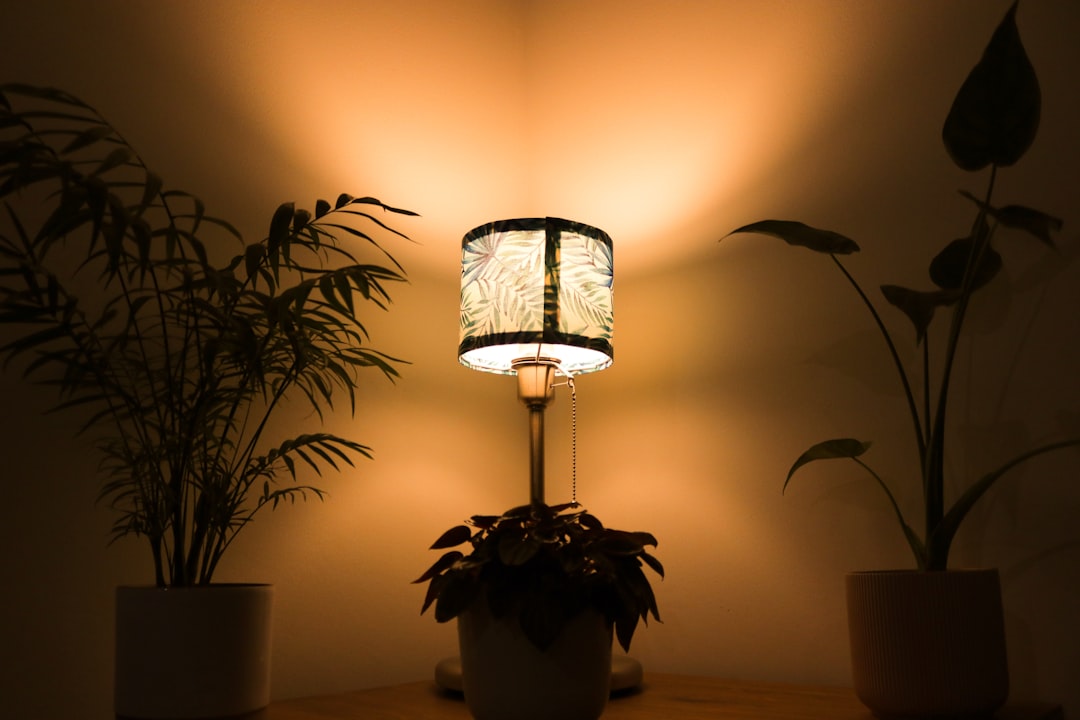
Warm-toned accent lights bring depth and comfort to spaces, perfect for winding down in living rooms or hallways.
Layered lighting allows for:
- Adaptability: Adjust lighting by time and task
- Visual depth: Creates inviting and dynamic spaces
- Health benefits: Supports natural biological rhythms
Dimmers and tunable color temperature bulbs increase versatility, making layered lighting a powerful tool for wellbeing. Explore the science behind circadian-aligned lighting.
How Color Temperature Impacts Productivity and Relaxation
Color temperature, measured in Kelvins (K), influences alertness and mood:
| Color Temperature | Description | Best Used In |
|---|---|---|
| 2700K or lower | Warm, amber glow | Bedrooms, living rooms, evening use |
| 3000–4000K | Neutral white | Kitchens, bathrooms, day-to-day tasks |
| 4000–5000K+ | Cool, blue-enriched | Offices, study areas, workout rooms |
Cooler, blue-enriched light enhances focus and energy—perfect for daytime productivity. In contrast, warmer hues signal your brain to relax, preparing you for restful sleep.
Smart, tunable LEDs let you shift your lighting through the day—from bright, cool whites in the morning to soft, warm ambers in the evening—supporting your natural rhythms. How light affects circadian rhythms – UC Davis
Smart Lighting Technology for Circadian Support
Smart lighting systems automate control over brightness, timing, and color temperature to match your daily biological needs:
- Customized schedules that mimic sunrise and sunset
- Automatic evening dimming to cue rest
- Color temperature adjustments for morning energy and nighttime calm
- Energy-efficient LED bulbs with long lifespans
Imagine your bedroom lamps starting with cool white at 7 AM to gently wake you, then shifting to warm amber by 8 PM, signaling your brain to prepare for sleep.
Avoid cheap bulbs with fixed colors; tunable smart lighting provides superior wellness and value. Explore the benefits of circadian-friendly lighting.
Task Lighting That Supports Focus and Eye Comfort
Targeted task lighting reduces eye strain and boosts clarity during precise tasks like reading, cooking, or studying. Examples of smart task lighting include:
- Desk lamps with cool white LEDs for work and study
- Under-cabinet lights illuminating kitchen counters
- Adjustable reading lights positioned to avoid glare and shadows
Well-placed task lighting enhances performance and supports eye health. More on lighting, sleep, and cognition.
Lighting and Its Impact on Sleep and Hormonal Balance
Exposure to bright, blue-enriched light late at night can suppress melatonin production, delaying sleep onset and disrupting quality. In contrast, morning light resets your internal clock, improving daytime energy and sleep timing.
Tips for Lighting That Supports Sleep
- Limit bright and blue-toned light 2–3 hours before bedtime
- Use warm amber or red-hued bulbs in the evening
- Install blackout blinds to eliminate unwanted light
- Employ low-light night lamps if needed
- Combine morning natural light exposure with indoor strategies to reinforce your sleep cycle
These methods are especially vital for shift workers or those with irregular schedules. How light affects melatonin and sleep
LED and Smart Lighting: Saving Energy While Enhancing Comfort
Modern LED and smart lighting systems not only improve your wellbeing but also reduce energy use and costs. Compared to traditional bulbs, LEDs offer:
- Brighter light with lower power consumption
- Long-lasting durability reducing replacements
- Dimmable features to avoid excess use
- Customizable settings tailored to your needs
By choosing quality, efficient lighting solutions, you support both your health and the environment. Read the full study on light and performance.
Choosing Fixtures That Balance Style and Function
Lighting fixtures contribute to your home's character while affecting comfort and health. When selecting fixtures, consider:
- Adjustable brightness and color temperature capabilities
- Styles that harmonize with your décor and promote wellbeing
- Placement that complements natural light flow
- Balancing aesthetic appeal with technical performance
For example, an arc floor lamp with warm-dim LED features can serve as both accent and sleep-supportive lighting.
Lighting design techniques from Rockwood
How to Create a Health-First Lighting Plan for Your Home
Transform your home lighting by following these steps:
- Evaluate your current lighting: Identify dim areas and overly harsh fixtures.
- Maximize daylight access: Rearrange furniture and add mirrors to increase natural light.
- Incorporate lighting layers: Use ambient, task, and accent lighting for versatility.
- Upgrade to smart/dimmable LEDs: Choose options with tunable color temperature.
- Implement lighting schedules: Align lighting changes with your circadian cycle.
- Use warm tones in the evening: Shift to amber or red hues before bedtime.
- Define task zones: Create dedicated lighting for work, cooking, reading, or relaxing.
- Blend style with function: Choose fixtures that support wellness and enhance décor.
This holistic approach ensures your lighting supports energy, calm, and balance throughout the day.
Conclusion
Lighting is a foundational element of a healthy home. It influences your mood, productivity, and sleep far beyond simple illumination. By combining natural sunlight, layered artificial lighting, and smart technology attuned to your body’s rhythms, you create an environment that nurtures both mind and body.
From morning motivation to evening relaxation, lighting is a daily wellness partner—making your home not just brighter, but better for living.
For expertly selected lighting accessories and smart bulbs designed to support your wellbeing through intentional design, explore the curated collection at Lightsdaddy—where form and function meet to brighten your life.
FAQ
- How does lighting affect my circadian rhythm?
- Lighting, especially exposure to natural light and blue-enriched artificial light, regulates your internal 24-hour clock that controls sleep, hormone production, and energy levels.
- What is layered lighting and why is it important?
- Layered lighting uses ambient, task, and accent lights to provide adaptable and balanced illumination for different activities and times of day, enhancing both comfort and wellbeing.
- Can smart lighting really improve my sleep?
- Yes. Smart lighting systems can automatically adjust color temperature and brightness to support your natural sleep-wake cycle, promoting better sleep onset and quality.
- What color temperature should I use in my workspace?
- Cool, blue-enriched light between 4000–5000K helps increase alertness and focus, making it ideal for work and study environments.
- Are LED bulbs better for health than traditional bulbs?
- LED bulbs, especially tunable smart LEDs, offer energy efficiency, long lifespan, and customizable light quality that supports circadian rhythms better than many traditional bulbs.