Cart
0
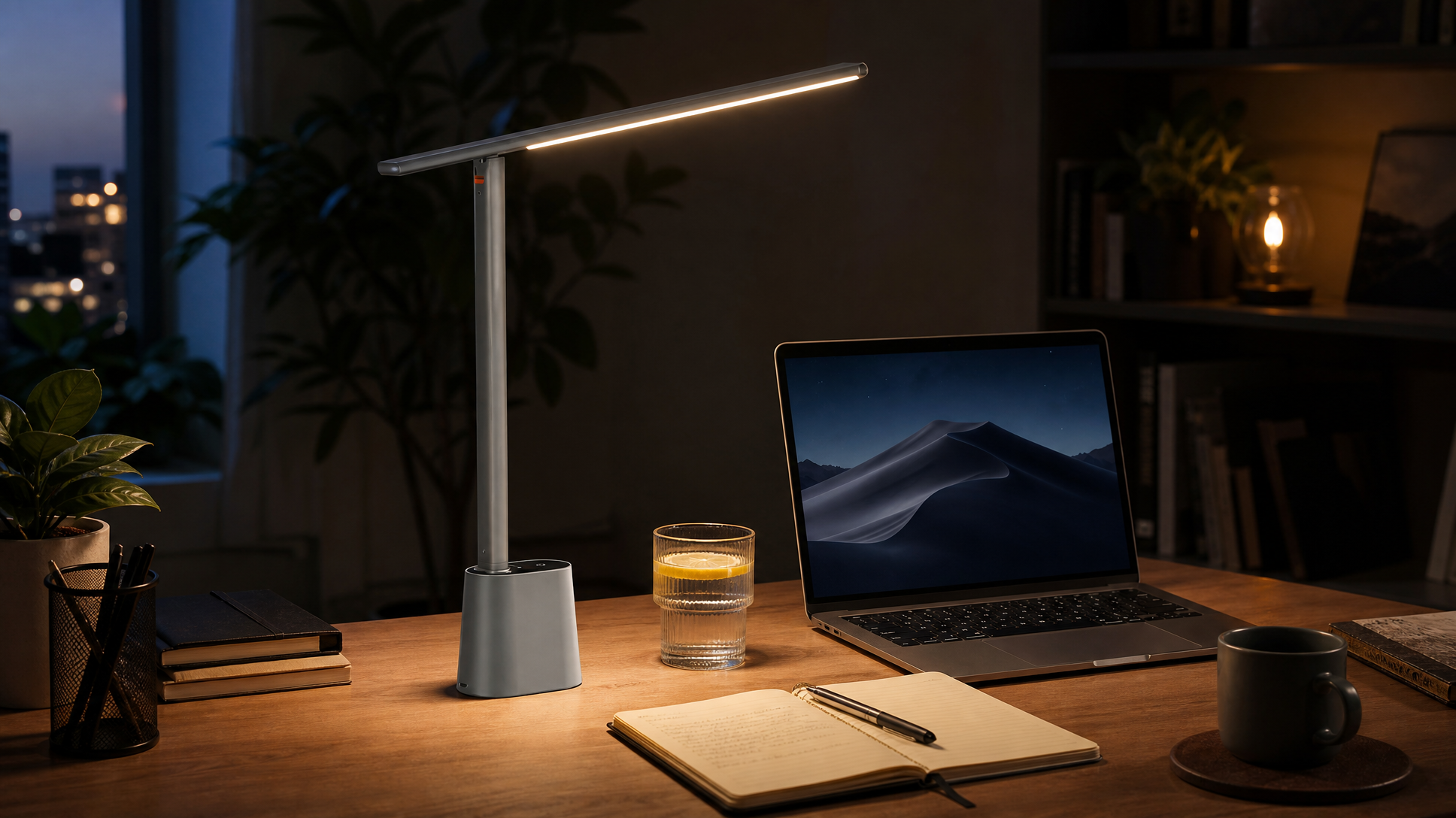
How Color Temperature and Lighting Affect Mood and Productivity
Discover how the science of lighting and color temperature can transform your environment, enhance your emotional well-being, and boost your productivity with practical tips for any space.
Key Takeaways
- Warm light (2700K–3000K) promotes relaxation and sociability, ideal for calm environments.
- Cool light (4000K–6500K+) enhances alertness and focus, perfect for work and study areas.
- Lighting interacts with room colors to influence emotions—blue and white paired with cool light foster calmness and concentration.
- Natural light supports mood regulation, creativity, and circadian rhythms.
- Circadian lighting systems mimic sunlight’s daily cycle to improve sleep and reduce stress.
- Layered and adjustable lighting supports comfort and personalized needs throughout the day.
Table of Contents
- 1. Understanding How Color Temperature Influences Your Mood and Performance
- 2. How Light and Room Colors Combine to Affect Emotions
- 3. The Role of Natural Light in Mood and Productivity
- 4. Circadian Lighting: Supporting Your Natural Rhythms
- 5. How Brightness and Distribution Affect Visual Comfort
- 6. Personalization: Tailoring Lighting to Individual Needs
- 7. Practical Lighting Recommendations for Home and Work
- 8. Understanding Time Exposure and Adaptation Effects
- Summary: Creating Mood-Enhancing, Productive Lighting Environments
- FAQ
1. Understanding How Color Temperature Influences Your Mood and Performance
Lighting shapes much more than our ability to see—it profoundly affects our mood, focus, and emotional state. Color temperature, measured in Kelvins (K), defines whether light feels warm and cozy or crisp and energizing:
- Warm light (1000K–3500K): Amber and orange tones, like candlelight, promote relaxation and intimacy.
- Neutral light (3500K–5000K): Balanced white light, offering a middle ground.
- Cool light (5000K–10000K+): Blue-white tones that mimic daylight, often linked to alertness.
Specifically:
- Warm tones (2700K–3000K) best suit relaxing spaces, fostering comfort and connection.
- Cool tones (4000K–6500K+) improve focus and mental clarity, essential for work and study areas.
*However, balance is key:* excessive warm lighting may increase anxiety, while too much cool light risks eye strain and sleep disruption.
Explore more about mood and color temperature on Gantri, Lightbulbs Direct, and AIDot.
2. How Light and Room Colors Combine to Affect Emotions
Lighting does not act alone—it works closely with your room’s colors to influence feelings:
- Red tones under cool lighting can increase anxiety and fatigue.
- Blue and white environments paired with cooler light encourage calm and concentration.
- White surfaces combined with warm light create cozy, inviting spaces.
- Avoid red walls with cold light in work or rest areas to prevent tension.
“A study from Hamadan University showed red walls increased tension under any lighting, while blue surroundings promoted calm and comfort.”
To craft the emotional tone you want, consider color and lighting together.
3. The Role of Natural Light in Mood and Productivity
Natural daylight is unmatched for its mood-lifting and productivity-enhancing benefits:
- Boosts mood by reducing depression and anxiety symptoms.
- Encourages creativity through cognitive stimulation.
- Regulates circadian rhythms, signaling when to be alert or rest.
- Improves physical health by enhancing sleep and encouraging activity.
Be mindful of glare; use sheer curtains or light-diffusing finishes to protect your eyes while keeping spaces bright. For areas lacking windows, artificial lights that mimic daylight can provide similar benefits.
Learn more from AIDot and Gantri.
Celebrate the season with savings — get 5% off your order using code EXCLUSIVE5 at checkout
4. Circadian Lighting: Supporting Your Natural Rhythms
Our biological clock, or circadian rhythm, depends heavily on light cues. Light controls melatonin—a hormone that governs sleep and alertness.
- Cool, blue-rich light during the day: suppresses melatonin to keep you awake and attentive.
- Warm tones in the evening: boost melatonin, preparing the body for rest.
Modern circadian lighting systems adjust color and brightness automatically through the day, improving mood, sleep quality, and stress management.
Find out more at AIDot.
5. How Brightness and Distribution Affect Visual Comfort
Brightness and how light is spread in a space impact comfort and functionality:
- High brightness: energizes but can be harsh for leisure areas.
- Dim lighting: soothing but can reduce energy if overused.
- Even distribution: minimizes shadows and glare, easing eye strain.
- Accent and directional lights: add depth but must be placed carefully to avoid distraction.
Layering ambient, task, and accent lighting allows customization to fit your activities and moods. For example, a home office with cool task lights and warm ambient lighting creates balance during work and breaks.
Insights from Visual Comfort & Co. and AIDot support this approach.
6. Personalization: Tailoring Lighting to Individual Needs
Lighting is not one-size-fits-all. Personality and psychological traits affect responses:
- Introverts and those prone to anxiety may find bright or clashing lighting overstimulating.
- Extroverts often handle dynamic lighting better but still benefit from balance.
Smart lighting technologies—dimmers, color-tunable LEDs—enable individuals to adjust settings for optimal comfort and focus. Such flexibility is especially valuable in shared or multi-use environments.
Supporting data comes from Hamadan University.
7. Practical Lighting Recommendations for Home and Work
Create mood-appropriate and functional lighting by following these guidelines:
Workspaces
- Use cool white light (4000K–6500K) to enhance focus.
- Employ diffused lighting to minimize glare and shadows.
- Position desks near windows; use adjustable blinds to control natural light.
- Combine ambient and task lighting for sustained comfort during work.
Relaxation and Social Areas
- Opt for warm white light (2700K–3000K) to foster calm and connection.
- Avoid overly intense colors and cool lighting to reduce stress.
- Integrate dimmable, layered lighting to control mood and ambiance.
- Use decorative lighting for warmth without sensory overload.
Any Space
- Maximize natural daylight via thoughtful window placement and reflective surfaces.
- Consider circadian lighting systems to align with your body clock.
- Choose quality LED bulbs with stable color output and low flicker.
- Apply matte or light-diffusing finishes to furniture and walls to reduce glare.
These tips help reduce fatigue, improve mood, and enhance productivity both at home and in the office.
Get started with smart lighting solutions at Lightsdaddy.com.
8. Understanding Time Exposure and Adaptation Effects
Our body's response to lighting changes over time through a process called adaptation:
- Initial discomfort with new lighting often diminishes as we adjust.
- Long-term exposure to inappropriate lighting, like harsh cool light at night, can harm mood and sleep.
- Varying color temperature and brightness throughout the day supports comfort and emotional balance.
Designing flexible lighting environments encourages healthier and more comfortable indoor experiences.
Explore further research here.
Summary: Creating Mood-Enhancing, Productive Lighting Environments
Lighting shapes more than appearance; it influences your daily well-being and effectiveness. Remember these essentials:
- Warm light (2700K–3000K) is perfect for relaxation and socializing.
- Cool light (4000K–6500K+) enhances alertness and productivity.
- Balance color temperature with wall colors—blue plus cool light for calm focus, white plus warm light for coziness.
- Limit intense red hues with cool lighting to avoid stress.
- Maximize natural light while managing glare with smart window treatments and surfaces.
- Use layered and adjustable lighting to adapt your space for different times and activities.
- Personalize lighting setups to fit unique preferences and psychological needs.
Start transforming your environment today with customizable lighting from Lightsdaddy.com.
FAQ
What is color temperature and why does it matter?
Color temperature measures how warm or cool a light source appears, using Kelvins (K). It influences mood, alertness, and comfort by mimicking natural light conditions, making it essential for emotional and visual well-being.
How do lighting and room colors work together to influence mood?
They create a combined emotional effect. For example, blue walls with cool light promote calm and focus, while red walls under cool lighting can raise anxiety. Coordinating color and light ensures the desired atmosphere.
What is circadian lighting and how does it benefit me?
Circadian lighting mimics the natural progression of sunlight throughout the day, adjusting warmth and brightness. It supports your body clock by promoting alertness during the day and restful sleep at night.
Can lighting be personalized to my needs?
Yes. Modern technologies like dimmers and smart LEDs allow you to customize intensity and color temperature, which is especially helpful since individuals respond differently based on temperament and sensitivity.
How should I choose lighting for work and relaxation spaces?
Use cool white light (4000K–6500K) with diffused, layered fixtures for work areas to boost focus. Opt for warm white light (2700K–3000K) with dimmable options in relaxation zones to encourage calm and comfort.