Cart
0
ow Strategic Home Lighting Creates Cozy Atmospheres All Year Round
Discover how thoughtful lighting choices—from warm tones and layered sources to smart controls and natural reflections—transform your home into a year-round sanctuary of comfort and wellbeing.
Key Takeaways
- Warm lighting (2200K–2700K) fosters relaxation and supports natural sleep rhythms, especially in winter.
- Layered lighting combining ambient, task, accent, and decorative sources creates adaptable and inviting spaces.
- Natural materials and vintage-style bulbs soften light quality and add aesthetic warmth.
- Strategic mirror placement amplifies natural light during darker seasons.
- Smart lighting technology enables dynamic control over color temperature and brightness for enhanced wellbeing.
- Outdoor lighting that uses warm tones and natural materials extends coziness beyond walls.
- Task lighting blends clarity and comfort, improving focus without sacrificing ambiance.
Table of Contents
- 1. The Power of Warm Lighting for a Cozy Home
- 2. Layered Lighting: Beyond a Single Overhead Fixture
- 3. Choosing Warm Bulbs and Fixtures for a Soft Glow
- 4. Using Mirrored Surfaces to Maximize Natural Light in Winter
- 5. Smart Lighting Controls for Effortless Ambiance
- 6. Outdoor Lighting That Creates Intimate Evening Spaces
- 7. Task Lighting That Supports Comfort and Productivity
- 8. Seasonal Lighting Strategies for Winter Wellness
- 9. Final Thoughts: Lighting Your Home for Comfort and Wellbeing
1. The Power of Warm Lighting for a Cozy Home
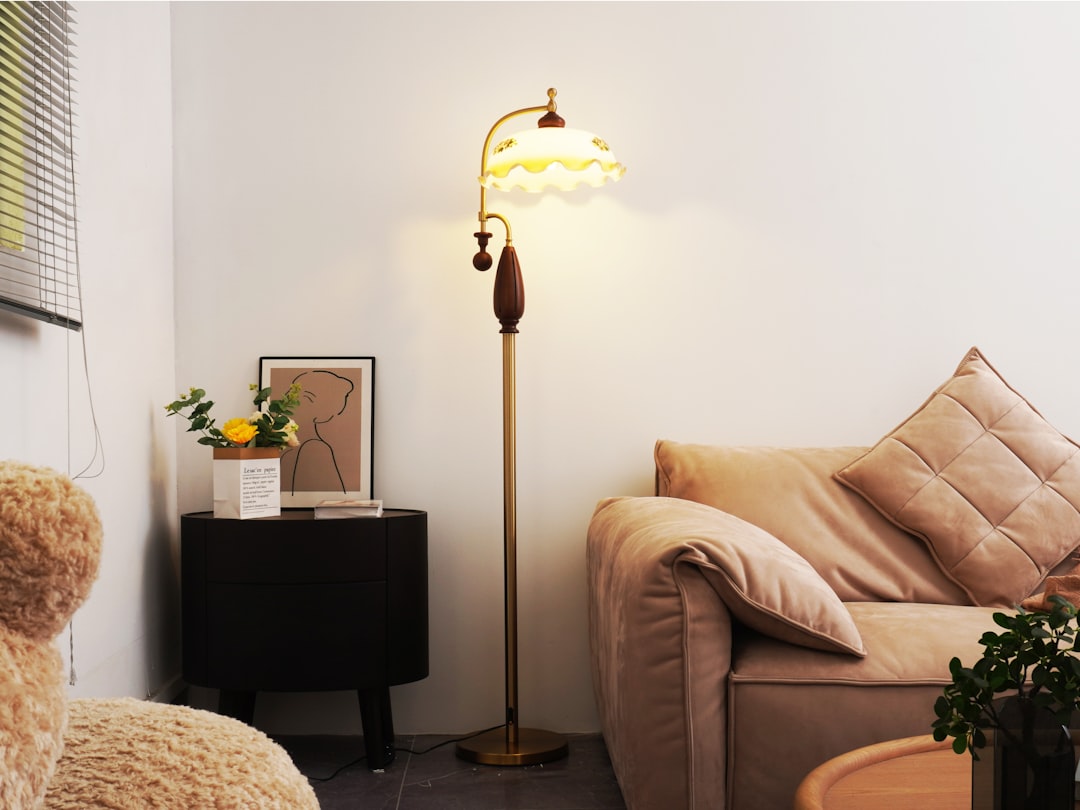
The mood and feel of any room are deeply affected by the color and quality of light. Warm lighting, characterized by color temperatures between 2200K and 2700K, envelops spaces in comforting amber and golden hues that encourage relaxation. Unlike cool, blue-toned light—best reserved for energizing daytime use—warm light aligns with our natural circadian rhythms by boosting melatonin production, the hormone that signals rest.
Especially in the winter months, when natural daylight dwindles, integrating dimmable warm LED bulbs can simulate the softness of sunset indoors. This creates a nurturing ambiance that invites calm, making your home feel both serene and welcoming.
Celebrate the season with savings — get 5% off your order using code EXCLUSIVE5 at checkout
Why Lighting Temperature Matters for Comfort and Health
- Warm lighting (2200–2700K): Casts calming amber tones that ease the mind and foster relaxation.
- Cool lighting (4000–6500K): Enhances alertness but can disrupt sleep if used in the evening.
- Aligning your home’s lighting with natural day-night cycles supports better sleep and mood.
By favoring warmer lights after dusk and cooler, brighter light during the day, you maintain a healthy circadian rhythm all year. Learn more about circadian lighting and its health benefits.
2. Layered Lighting: Beyond a Single Overhead Fixture
Overhead lights often produce harsh, flat illumination that can feel cold or uninviting. Instead, use layered lighting strategies—combining ambient, task, accent, and decorative sources—to add depth and flexibility to your spaces.
By thoughtfully mixing floor lamps, table lamps, wall sconces, candles, and integrated shelf lighting, you can craft an atmosphere that smoothly transitions between focused activity and relaxed ambiance according to your needs.
Components of Layered Lighting
- Ambient lighting: Provides the room’s overall light, usually from ceiling fixtures or LED strips.
- Task lighting: Offers targeted illumination for activities like reading or cooking.
- Accent lighting: Enhances architectural details, artwork, or plants with focused highlights.
- Decorative lighting: Combines function and artistry to add visual interest.
Layering not only softens glare and shadows but introduces warmth and intimacy into your home’s design.
Why Layering Matters in the Winter
- Reduces harsh overhead glare discomfort.
- Creates cozy light pools that define inviting zones.
- Allows brightness adjustments to follow the sun’s natural progression.
Explore smart dimming technologies for customizable light levels.
3. Choosing Warm Bulbs and Fixtures for a Soft Glow
The feel of your home’s lighting depends greatly on bulb type and fixture materials. For optimal coziness, focus on warm white LEDs that emit a golden glow, vintage Edison bulbs with amber filaments, and dimmable options for brightness control.
Best Bulbs for a Comfortable Atmosphere
- Warm white bulbs (2200K–2700K): Illuminate spaces with a gentle amber light perfect for winding down.
- Vintage-style Edison bulbs: Add nostalgia and a soft decorative filament glow.
- Dimmable LEDs: Enable flexible lighting moods from energizing to restful.
Fixture Materials That Soften the Glow
Natural materials like wood, rattan, clay, and woven textiles gently diffuse light, creating inviting textures and warmth. Lampshades in cotton, wool, or linen further reduce glare while adding softness and visual interest.
Making a Statement Through Lighting
Unique fixtures add character and narrative—whether it’s a sculptural pendant or a cherished family heirloom lamp. For example, placing a chandelier inside a dormant fireplace mimics flickering firelight and amplifies room warmth and charm.
Discover curated lamps and vintage bulbs that elevate ambiance.
4. Using Mirrored Surfaces to Maximize Natural Light in Winter
As winter days grow shorter and cloudier, leveraging mirrors is a savvy way to multiply natural light and visually expand spaces.
Tips for Strategic Mirror Placement
- Position warm-lit lamps near mirrors to reflect and amplify their glow.
- Place mirrors opposite windows to capture and bounce daylight into darker areas.
- Use mirrored furniture or wall panels to brighten shadowed corners and increase spatial perception.
This reflective strategy not only enhances illumination but also opens up cozier, tighter spaces—crucial when spending more time indoors. Read expert tips on mirror placement for light enhancement.
5. Smart Lighting Controls for Effortless Ambiance
Modern smart lighting systems simplify creating dynamic, mood-supportive environments tuned to your lifestyle and seasonal changes.
Key Benefits of Smart Lighting
- Dynamic color temperature shifts: Automatically transitions from bright, energizing daytime tones to warm, relaxing evening hues.
- Scene presets: Effortlessly switch lighting modes for reading, relaxing, or entertaining via voice or app control.
- Energy efficiency: Dimmer functionality reduces electricity use and prolongs bulb life.
- Convenience: Adjust lighting without leaving your seat or even the room.
Smart lighting integrates seamlessly with layered designs, enabling fine-tuning of brightness and warmth to match your mood and circadian rhythm. Explore smart lighting that supports wellness and daily rhythms.
6. Outdoor Lighting That Creates Intimate Evening Spaces
Extend the warmth and coziness of your interior lighting outdoors, turning porches, patios, and gardens into inviting retreats on even the chilliest nights.
Ideas for Cozy Outdoor Illumination
- Drape string lights along railings, fences, or pergolas to create a fairy-lit ambiance.
- Use solar lamps or low-voltage fixtures with warm bulbs to softly illuminate walkways and seating areas.
- Choose natural-material fixtures such as rattan, wood, or bamboo for cohesive indoor-outdoor aesthetics.
Together, these elements craft intimate, cozy nooks perfect for tea, conversation, or quiet star-gazing. Find more expert layering ideas to enhance outdoor comfort.
7. Task Lighting That Supports Comfort and Productivity
Even the coziest environments require lighting solutions that facilitate activities without sacrificing warmth.
How to Choose Productive Yet Soothing Task Lighting
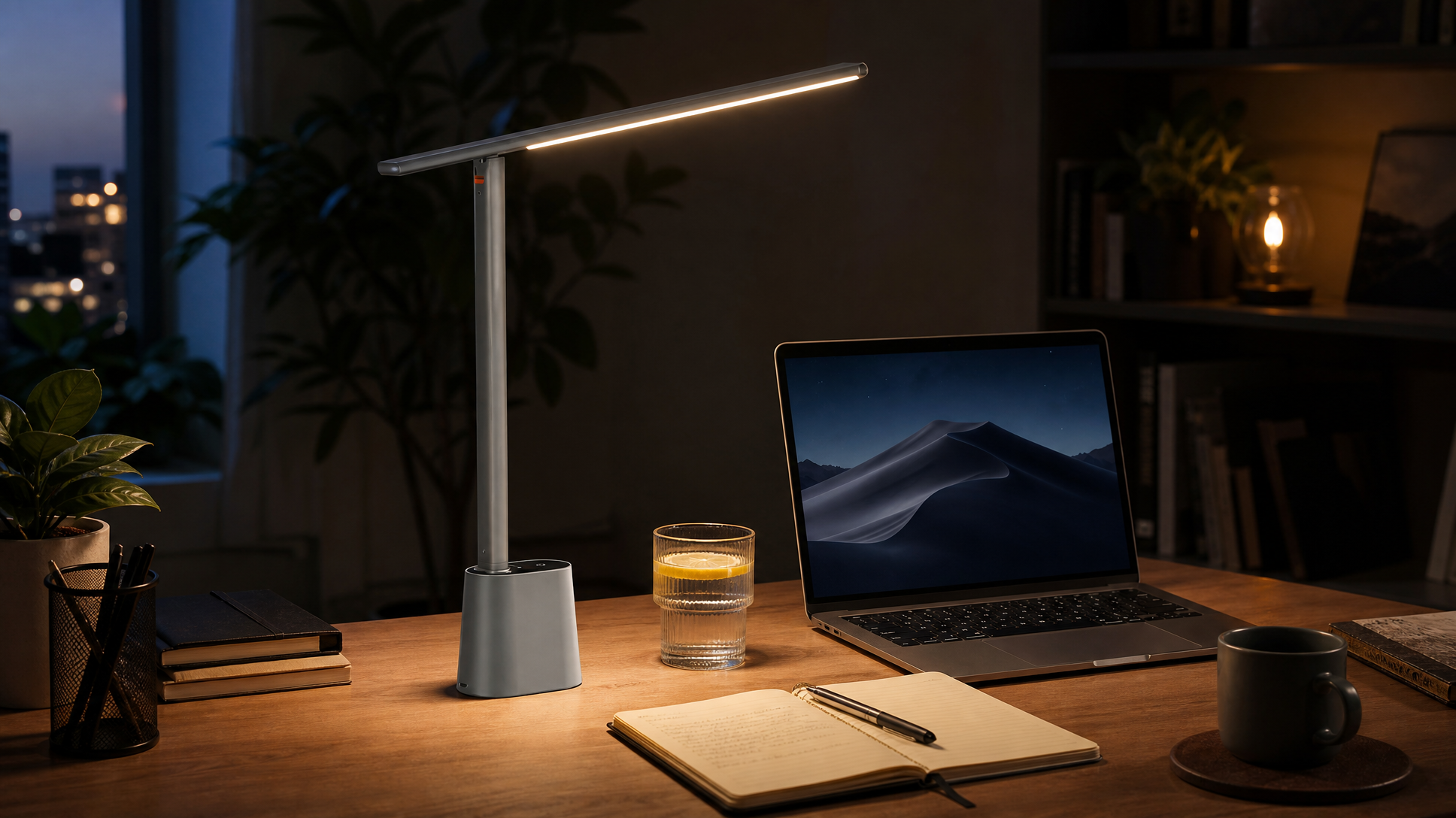
- Select bulbs between 3000K–4000K to balance clarity with a soft, welcoming glow.
- Opt for adjustable arm lamps or dimmable floor lights to direct illumination precisely where needed.
- Position lighting to reduce glare and integrate smoothly with ambient layers.
This approach supports focus and comfort during work or hobbies, a true benefit during long winter days indoors. Delve deeper into effective lighting strategies that boost comfort and output.
8. Seasonal Lighting Strategies for Winter Wellness
Adjusting your lighting setup to the rhythm of the seasons helps maintain physical and mental wellbeing during winter’s darker days.
How to Maximize Daylight Indoors
- Keep windows clean and clear; use sheer or light-colored curtains to allow maximum daylight.
- Place mirrors thoughtfully to reflect natural light deeper into your living spaces.
- Arrange furniture so key activities happen near windows.
Adjusting Evening and Nighttime Lighting
- Switch to warm, low-intensity lighting by late afternoon to cue your body to wind down.
- Limit screen use and enable night mode to reduce blue light exposure before bed.
- Incorporate candles or Himalayan salt lamps for gentle flickering accents that soothe the senses.
Balancing Insulation and Light Control
- Use smart blinds or thermal shades to manage heat retention and avoid glare.
- Install reflective pendants or wall fixtures near windows to enhance natural light movement.
These tactics help you stay in tune with natural rhythms, uplift mood, and sustain cozy comfort through the coldest months. Learn more about seasonal lighting tactics for health and comfort.
9. Final Thoughts: Lighting Your Home for Comfort and Wellbeing
Thoughtful lighting does far more than illuminate—it shapes your emotional connection to your space. By embracing warm color temperatures, layering diverse light sources, choosing natural materials, and incorporating smart technology, you create not just a visually appealing home, but one that supports holistic wellness.
Lighting is the invisible thread weaving warmth, calm, and comfort through your home all year long. With mindful adjustments, your lighting can nurture better sleep, deeper relaxation, and memorable moments.
Let light guide your way to a cozier, more inviting home environment.
FAQ
What is the ideal color temperature for evening home lighting?
The ideal color temperature for evening lighting ranges between 2200K and 2700K. This warm spectrum mimics the hues of sunset, promoting relaxation and supporting natural melatonin production for better sleep.
How can I layer lighting effectively in a small space?
Start with ambient lighting as your base, then add task lamps where you perform focused activities. Use accent lighting to highlight art or plants and sprinkle in decorative fixtures for style. In small spaces, choose compact lamps and dimmable options to adjust mood without overwhelming the room.
Can smart lighting improve my sleep quality?
Yes. Smart lighting that shifts color temperature throughout the day can help regulate your circadian rhythm by providing bright, cool light in the morning and warm, dim light in the evening, which signals your body when to be alert or relaxed.
What materials are best for softening light in fixtures?
Natural materials like wood, rattan, clay, and woven textiles diffuse light gently and add visual warmth. Lampshades made of cotton, wool, or linen are also excellent at filtering harsh light and preventing glare.
How can I use mirrors to brighten my home during winter?
Position mirrors opposite windows or near warm light sources to reflect daylight and lamp glow deeper into your rooms. Mirrors can also be installed as furniture or panels to bounce light into darker corners, enhancing overall brightness and the feeling of spaciousness.