Cart
0
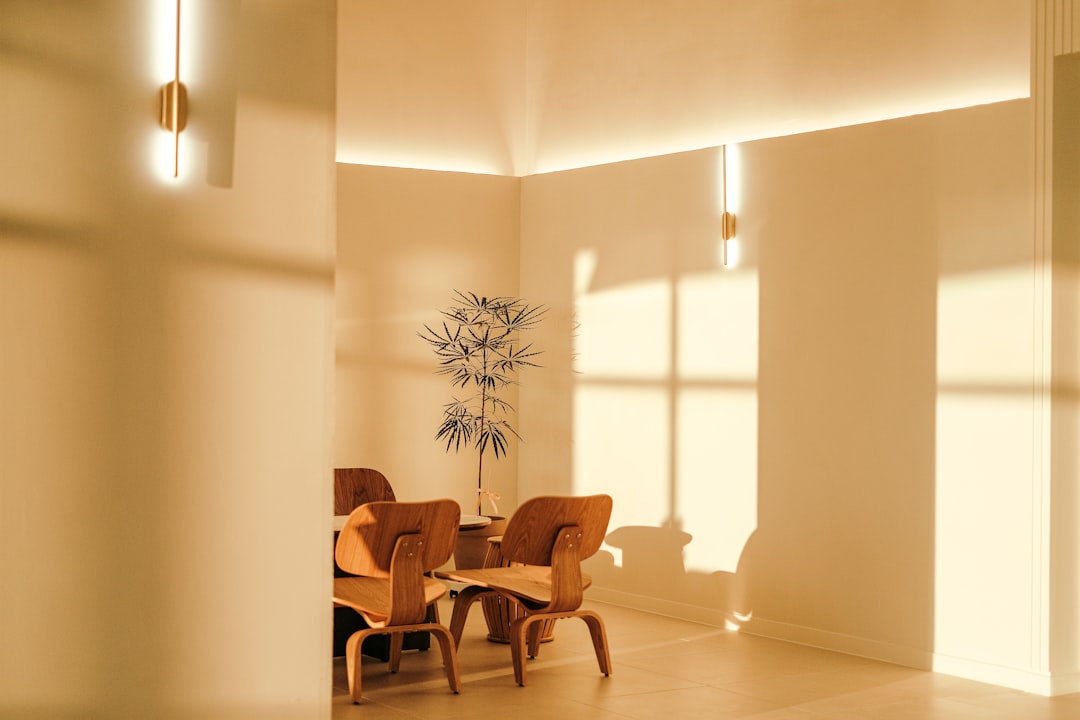
The Power of Lighting in Interior Design: How to Elevate Your Space with Layered Light
Discover how mastering layered lighting transforms your interiors into inviting, functional, and visually stunning spaces. From balancing natural and artificial light to smart LED innovations, lighting is a powerful design tool that enhances mood, usability, and aesthetics.
Estimated Reading Time: 8 minutes
Key Takeaways
- Lighting consists of three essential types: ambient, task, and accent, each serving distinct design purposes.
- Layering different lighting types enhances both practicality and atmosphere.
- Integrating natural and artificial light improves well-being and visual comfort.
- Color temperature influences mood; warm and cool lights suit different activities and spaces.
- Smart LED lighting offers energy efficiency and personalized control.
- Thoughtful fixture placement elevates spatial perception and avoids glare.
- Outdoor lighting extends your living space with layered and functional illumination.
- Choosing the right bulbs and accessories impacts light quality and ambiance.
Table of Contents
- Introduction: The Vital Role of Lighting in Interior Design
- The Three Essential Types of Lighting: Ambient, Task, and Accent
- Integrating Both Natural and Artificial Light
- Color Temperature: Crafting Mood with Warm and Cool Light
- Smart LED Lighting and Energy Efficiency
- Fixture Placement: Enhancing Space and Functionality
- Outdoor Lighting: Extending Living Spaces
- Choosing the Right Bulbs and Accessories
- Lighting as a Design Storytelling Tool
- Conclusion: Elevate Your Interiors with Thoughtful Lighting
1. Introduction: The Vital Role of Lighting in Interior Design
Lighting is far more than just illumination; it shapes how we feel, perceive, and use a space. Good lighting defines a room's appearance, supports tasks, and even influences health and well-being. By mastering lighting techniques, you can transform any interior from ordinary to extraordinary — making it welcoming, efficient, and visually engaging.
From ambient lighting that softly fills a room, to focused task lighting and dramatic accent lighting, each type plays a distinct, complementary role. Harnessing both natural and artificial light allows you to create adaptable, balanced interiors that respond to your needs and environment.
2. The Three Essential Types of Lighting: Ambient, Task, and Accent
Ambient Lighting: The Foundation of Illumination
Ambient lighting offers uniform, general illumination that makes a space feel warm and safe. Common examples include ceiling fixtures like chandeliers or recessed lights. This layer sets the base mood and functionality, preparing the room for other lighting layers.
Task Lighting: Focused Illumination for Activities
Task lighting targets specific areas where clarity and focus are paramount — think reading lamps, kitchen under-cabinet lights, or bathroom vanity fixtures. This bright, glare-free illumination reduces eye strain and improves productivity during detailed activities.
Accent Lighting: Emphasizing Beauty and Detail
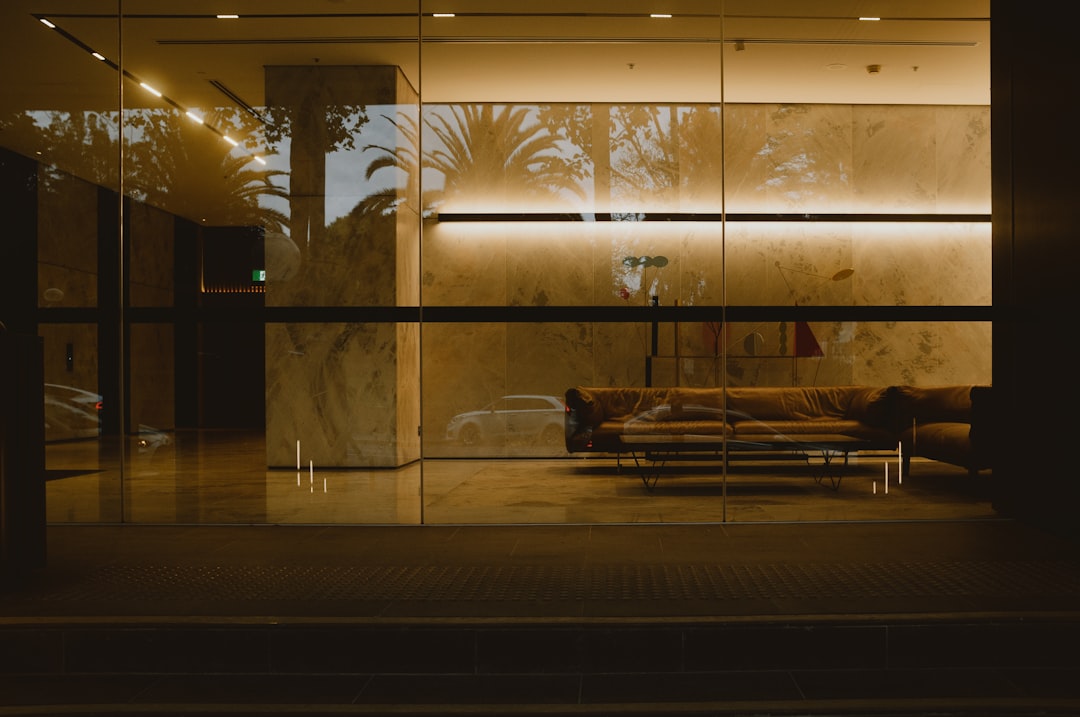
Accent lighting adds personality by spotlighting artwork, architectural details, or plants. Adjustable spotlights, picture lights, and LED strips enrich texture and depth, introducing contrast and visual drama that enhances the room’s narrative.
The Importance of Layering
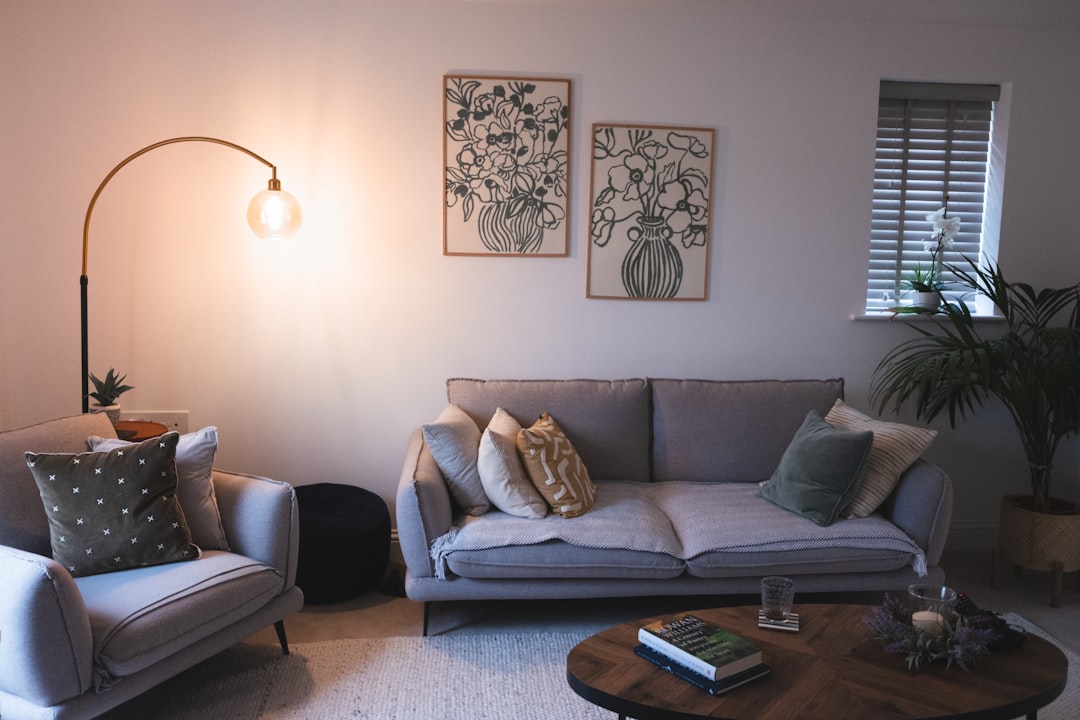
Layering ambient, task, and accent lighting creates flexible, multidimensional spaces. For example, a living room with a dimmable ceiling light, reading lamps, and art spotlights lets you shape the atmosphere for relaxation, work, or entertaining with ease and sophistication.
3. Integrating Both Natural and Artificial Light
Natural light is invaluable — it saves energy and positively affects mood, health, and productivity by regulating circadian rhythms. Interior design that embraces sunlight creates vibrant, comfortable environments.
Enhancing Natural Light
- Use large, strategically positioned windows to maximize daylight.
- Incorporate reflective surfaces like mirrors or glossy finishes to bounce light.
- Install skylights or light tubes to bring illumination into darker rooms.
- Choose light-colored wall paints and flooring to aid brightness.
Complementing with Artificial Lighting
Since daylight changes through the day and year, artificial lighting supplements shadows and darkness to maintain consistent illumination. Proper placement avoids harsh contrasts or overly bright spots, ensuring comfort.
Psychological and Practical Perks
Natural light paired with adjustable artificial lighting enhances visual comfort and supports well-being. Daytime spaces appear lively and open, while warm artificial light creates cozy atmospheres at night.
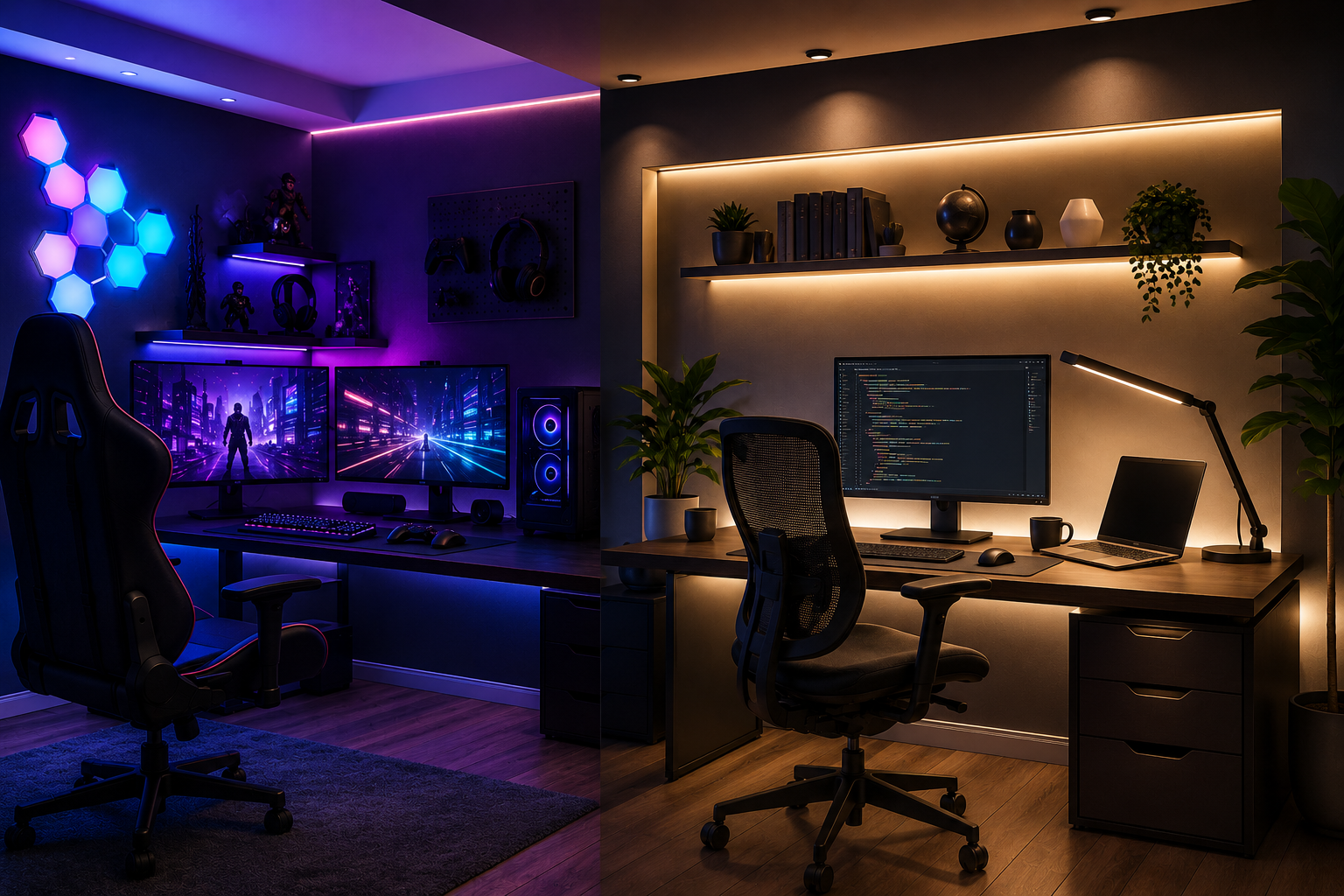
4. Color Temperature: Crafting Mood with Warm and Cool Light
Color temperature, measured in Kelvins (K), shapes the emotional impact of a room’s lighting.
Warm Light (2700K – 3000K)
- Produces a soft, yellow glow.
- Creates cozy and inviting spaces.
- Best suited for living rooms, bedrooms, and dining areas.
Cool Light (3500K – 5000K)
- Emits bright white to bluish tones.
- Stimulates alertness and focus.
- Ideal for kitchens, bathrooms, offices, and workspaces.
Selecting the Right Color Temperature
Matching color temperature to a room’s use is key. Modern LED lights often feature tunable white technology, letting you shift between warm and cool tones to mimic natural daylight cycles and accommodate different activities.
5. Smart LED Lighting and Energy Efficiency
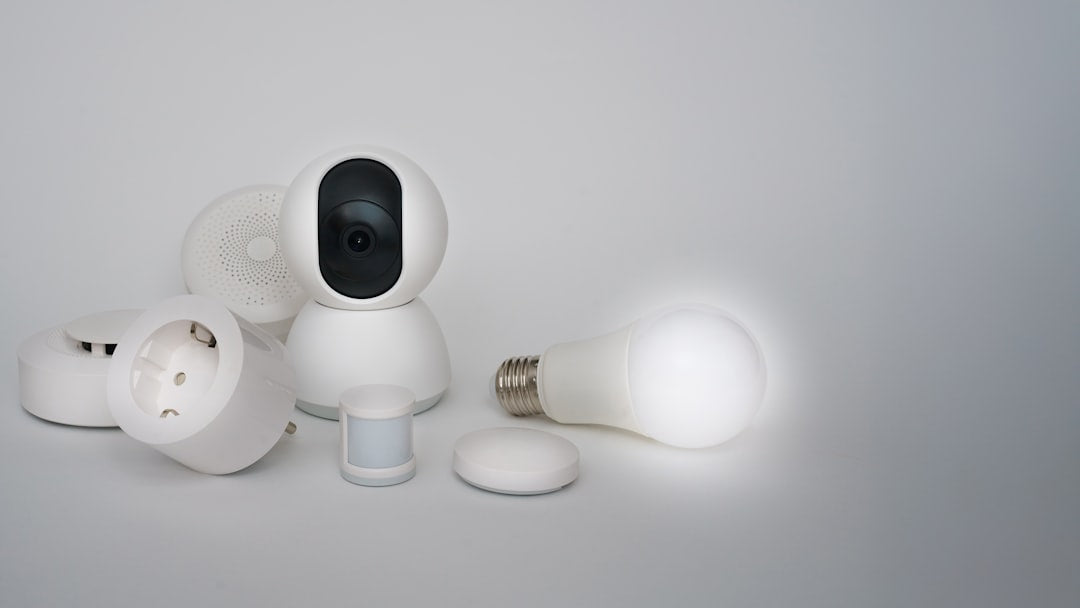
LED lighting combined with smart controls has revolutionized how we illuminate homes by offering efficiency and convenience.
LED Lighting Advantages
- Significant energy savings compared to incandescent or halogen bulbs.
- Long lifespan minimizes replacement frequency.
- Generates minimal heat, enhancing safety and comfort.
- Available in diverse styles to fit any lighting fixture.
Smart Lighting Controls
- Adjust brightness levels effortlessly.
- Remotely modify color temperature or set schedules.
- Operate lights via smartphone apps or voice commands.
- Create customized lighting scenes for different moods and occasions.
Smart lighting reduces wasteful power use and aligns illumination with your lifestyle, making your home both greener and more comfortable.
6. Fixture Placement: Enhancing Space and Functionality
Where and how you install lighting fixtures is just as important as what you choose. Good placement ensures even light distribution, avoids glare and shadows, and makes spaces feel inviting.
Tips for Effective Fixture Placement
- Use vertical lighting to visually expand rooms.
- Position task lights carefully to illuminate work areas without creating harsh shadows.
- Angle accent lights to highlight textures and architectural features.
- Maintain balance by keeping fixtures at optimal distances from surfaces.
Impact on Spatial Perception
Strategic lighting tricks the eye: rooms appear larger, ceilings seem taller, and textures come alive. Thoughtful accent lighting turns architectural details into captivating focal points, enriching the overall design story.
7. Outdoor Lighting: Extending Living Spaces
Outdoor lighting is essential for creating secure, attractive, and usable exterior areas beyond your walls.
Layered Lighting for Outdoor Spaces
- Ambient: Wall-mounted lanterns, pathway lights, and string lights provide general illumination.
- Task: Spotlights for grilling zones, reading nooks, or outdoor work areas.
- Accent: Focused beams highlight plants, sculptures, water features, or architecture.
Practical Considerations
Opt for weather-resistant outdoor fixtures using energy-efficient bulbs. Sensors and timers boost security and convenience by powering lights only when needed, enhancing both utility and ambiance.
8. Choosing the Right Bulbs and Accessories
Selecting suitable bulbs and lighting accessories directly affects brightness, color accuracy, and the atmosphere you create.
Bulb Types
- LED bulbs: Energy-efficient, long-lasting, and available in many varieties.
- Halogen bulbs: Bright and cool but less efficient and produce more heat.
- Incandescent bulbs: Warm glow but short-lived and energy-heavy, being phased out.
Brightness and Color Rendering
Choose bulbs with appropriate lumens for your needs. A high Color Rendering Index (CRI) ensures colors appear natural and vibrant, crucial for artwork or detailed tasks.
Accessories and Controls
- Dimmer switches allow mood control and energy savings.
- Smart switches and bulbs enable personalized lighting setups.
- Lampshades and diffusers soften harsh light and reduce glare.
9. Lighting as a Design Storytelling Tool
Lighting tells a story, guiding attention, evoking emotions, and reflecting personality beyond simple illumination.
"Lighting dictates how a space is perceived and remembered. Thoughtful light layering transforms interiors into expressive, immersive environments."
Bright, clear light energizes workspaces. Soft, warm zones create intimate retreats. Accent lighting adds dramatic 'wow' moments around art or architectural features, making your design memorable and personal.
10. Conclusion: Elevate Your Interiors with Thoughtful Lighting
Lighting is a versatile, powerful element in interior design. By thoughtfully combining ambient, task, and accent sources; blending natural with artificial light; selecting fitting color temperatures; placing fixtures strategically; and leveraging smart, energy-efficient technologies, you shape spaces that are functional, elegant, and emotionally resonant.
At Lightsdaddy, we understand lighting’s profound influence on your daily living experience. Explore our extensive range of carefully curated lighting fixtures and accessories designed to help you master layering and bring your interior design dreams to life. Discover professional lighting ideas and premium products to realize your vision with expert advice and top-tier quality.
FAQ
What is the best way to layer lighting?
Start with ambient lighting for overall illumination, add task lighting for specific activities, and finish with accent lighting to highlight features or add depth. Use dimmers and smart controls to adjust layers for different moods and purposes.
How does color temperature affect a room’s mood?
Warm light (2700K – 3000K) creates cozy, relaxing atmospheres, ideal for living spaces and bedrooms. Cool light (3500K – 5000K) boosts alertness and clarity, suited for kitchens, offices, and work areas.
Are LED lights better than traditional bulbs?
Yes, LEDs are more energy-efficient, last longer, emit less heat, and come in a variety of styles and color temperatures, making them a more sustainable and versatile lighting choice.
How can outdoor lighting improve my home?
Outdoor lighting enhances security, usability, and ambiance. Using layered lighting strategies, such as ambient, task, and accent lights, creates inviting and functional exterior spaces extending your living area.