Cart
0
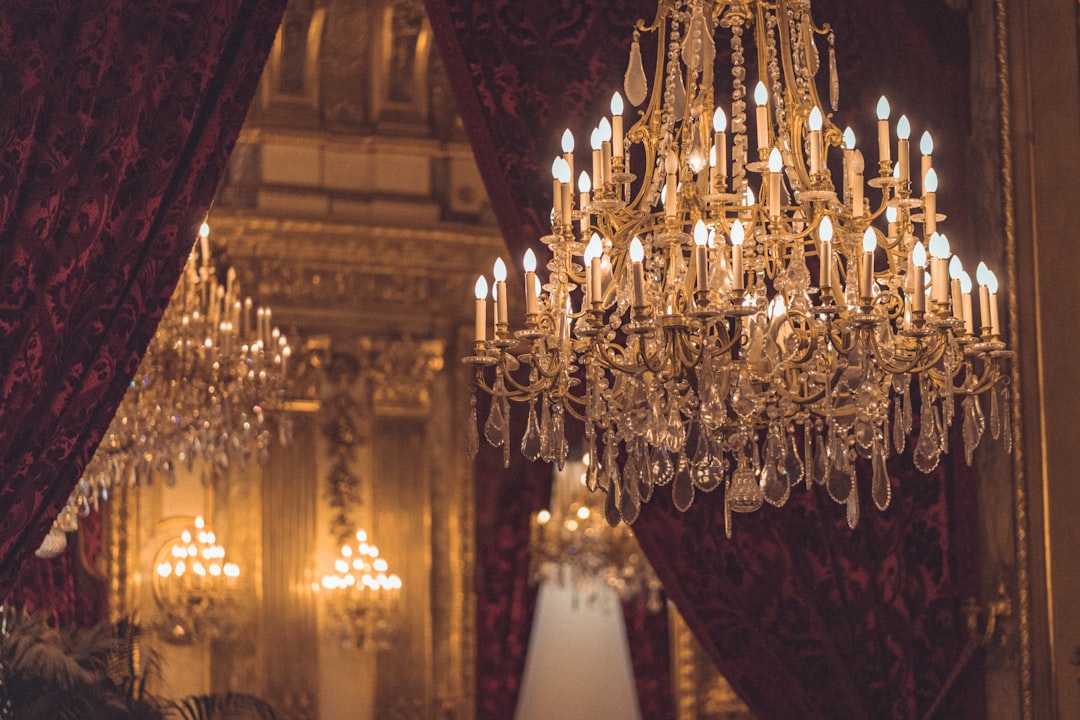
How to Pick the Perfect Chandelier Size for Your Room and Ceiling Height
Choosing the right chandelier size and placement is essential to achieving a balanced blend of style and functionality in any room. This guide equips you with simple formulas, placement tips, and style inspirations to confidently transform your space with lighting that truly complements your décor and architecture.
Estimated reading time: 8 minutes
Key Takeaways
- Use the room’s length plus width in feet to determine chandelier diameter in inches.
- Position chandeliers about 30–36 inches above dining tables and maintain 7 feet clearance in walkways.
- Choose chandelier styles that complement your room’s function, size, and décor.
- Incorporate dimmers and select warm LED bulbs for adjustable ambiance and energy efficiency.
- Adjust fixture height and type based on ceiling height and room layout, including vaulted ceilings.
Table of Contents
- 1. Determining the Ideal Chandelier Size for Your Room
- 2. Chandelier Height: What's the Right Distance?
- 3. Chandelier Placement and Size Suggestions for Different Rooms
- 4. Unveiling Chandelier Styles: Discover Your Best Match
- 5. Lighting Quality: Brightness, Bulbs, and Dimmers
- 6. Ceiling Height and Clearance: Balancing Safety and Style
- FAQ
1. Determining the Ideal Chandelier Size for Your Room
Selecting the perfect chandelier diameter is foundational for ensuring your fixture complements your room’s scale and style without overwhelming or underwhelming the space.
The Simple Approach to Sizing
Add the length and width of your room (in feet), then convert that total into inches to get the ideal chandelier diameter.
For example, a room measuring 12 feet by 14 feet sums to 26 feet; therefore, a chandelier about 26 inches in diameter is recommended. This easy formula works for any room shape and creates harmonious proportions.
Metric users can add the room measurements in meters and multiply by 10 for the chandelier diameter in centimeters; e.g., a 3m by 4m room suggests a 70 cm chandelier.
Special Considerations for Rectangular Spaces and Tables
- For rectangular dining tables or rooms, a linear chandelier sized between one-third and two-thirds of the table length is ideal.
- This approach maintains elegance without overpowering the table’s surface.
Larger Rooms and Open Spaces
- Consider multiple smaller chandeliers spaced evenly or one large fixture larger than the basic formula in expansive living areas.
- Ensure visual balance and adequate lighting with your choice.
Summary:
- Apply the sum of length and width (feet) equals diameter (inches) rule.
- Rectangular tables benefit from linear chandeliers sized at 1/3 to 2/3 table length.
- Use multiple fixtures or larger sizes in spacious or open layouts.
2. Chandelier Height: What's the Right Distance?
The suspension height of your chandelier affects both practicality and aesthetics, ensuring it neither overwhelms the space nor hinders movement or sightlines.
General Rule for Ceiling Heights
- Plan for approximately 2.5 inches of chandelier height per foot of ceiling height.
- Standard 8-foot ceilings suit chandeliers about 20 inches tall; add roughly 3 inches per extra foot of ceiling height.
- Metric: about 6.5–7.5 cm of fixture height per 30 cm of ceiling height.
Positioning Over Dining Tables
- Hang chandeliers 30–36 inches (75–90 cm) above the table surface.
- Adjust slightly higher for wider tables, lower for narrower ones for ideal sightlines and lighting.
Floor Clearance in Areas Without Tables
- Maintain a minimum floor clearance of 7 feet (210 cm) to avoid head injury and preserve comfortable circulation.
Unique Ceiling Types
- Use adjustable chains or rods for vaulted, cathedral, or two-story ceilings to balance scale within the space.
- Opt for flush or semi-flush mounts to maximize headroom on lower ceilings.
Summary:
- Target 2.5 inches of chandelier height per foot of ceiling.
- Hang 30–36 inches above dining tables.
- Maintain 7 feet minimum floor clearance.
- Adjust fixture type based on ceiling design and height.
3. Chandelier Placement and Size Suggestions for Different Rooms
Different rooms have unique needs when it comes to chandelier scale and placement, combining aesthetics with function to create the right atmosphere.
Entrances and Hallways
- Center the chandelier or align it with architectural elements like windows.
- Large ceilings can support grand, tiered chandeliers for dramatic effect.
- Larger fixtures create a strong visual statement appropriate for entrances.
Dining Areas
- Select chandelier diameters between half and two-thirds of the dining table’s width.
- Center fixtures for balanced illumination.
- Use dimmers for mood flexibility during meals or entertaining.
Living Rooms
- Consider one large chandelier or multiple fixtures evenly spaced.
- Supplement chandeliers with ambient lighting like lamps and sconces.
- Match the chandelier’s style and visual weight with room furnishings.
Bedrooms
- Choose delicate, smaller chandeliers to keep the space intimate.
- Maintain a 7-foot floor clearance.
- Opt for soft, dimmable lighting to enhance relaxation.
Bathrooms
- Use damp-rated mini or small chandeliers above tubs or centrally located.
- Choose resilient materials like glass, metal, or crystal.
Kitchens and Islands
- Size fixtures between one-third and two-thirds the length of the island.
- Hang chandeliers or pendants 30–36 inches above the island surface.
- Consider multiple mini pendants or a long island chandelier for extended counters.
Compact Spaces and Walk-in Closets
- Opt for mini chandeliers or fixtures with open or crystal designs to keep the look light.
Summary:
- Tailor size and style to the room’s scale and use.
- Center fixtures and align them with architectural features.
- Use dimmers to adjust mood and lighting flexibility.
4. Unveiling Chandelier Styles: Discover Your Best Match
Choosing a chandelier’s style is key to reinforcing your room’s décor. Below are prominent styles to consider:
Candle Chandeliers
- Traditional, featuring candle-shaped lights with decorative bobeches.
- Perfect for vintage and classic themed interiors.
Crystal Chandeliers
- Elegant and glamorous, reflecting light brilliantly.
- Ideal as focal points in grand living or dining spaces.
Drum Chandeliers
- Modern pendants with fabric or material shades for diffused light.
- Suited to cozy contemporary spaces like bedrooms or offices.
Mini Chandeliers
- Compact versions great for bathrooms, hallways, or clustered arrangements.
Modern Chandeliers
- Clean lines with minimalistic details in metal and glass.
- Best for sleek modern interiors.
Ring Chandeliers
- Rustic hoop designs adorned with natural elements like branches or antlers.
- Bring warmth to farmhouse or industrial spaces.
Shaded Chandeliers
- Feature stylish shades that soften and temper lighting.
- Ideal for bedrooms or workspaces where softer illumination is preferred.
Tiered Chandeliers
- Multi-layered fixtures that make bold statements in rooms with high ceilings.
- Exude luxury and grandeur.
Island Chandeliers
- Elongated fixtures designed for kitchen islands or extended tables combining form and function.
Keep in mind that lighter designs may visually appear larger, whereas denser fixtures can seem more compact. Select a style that balances with your room’s size and ceiling height for cohesiveness.
Summary:
- Choose chandelier styles that echo your room’s décor and function.
- Match the visual weight and scale with the space.
- Consider traditional, modern, mini, tiered, or island styles per your preference.
5. Lighting Quality: Brightness, Bulbs, and Dimmers
Beyond style and size, effective lighting quality is essential for comfort and ambiance.
Brightness Recommendations
- Use the Illuminating Engineering Society guideline: multiply room area by desired foot-candle level.
- Typical foot-candle levels: Dining rooms 10–20, living rooms 10–15, bedrooms 5–10.
Bulb Selections
- LED bulbs are recommended for efficiency and adjustable color temperatures.
- Warm tones (2700K–3000K) foster cozy atmospheres.
- Incandescent and halogens offer warmth but with higher energy consumption.
Dimmer Switches
- Dimmable bulbs or compatible dimmer controls allow you to customize lighting based on mood or activity.
- Ensure compatibility with the bulb type — LED, incandescent, etc.
Summary:
- Calculate brightness needs by room size and recommended foot-candle levels.
- Choose warm LED bulbs for energy efficiency and ambiance.
- Install dimmers for lighting flexibility.
6. Ceiling Height and Clearance: Balancing Safety and Style
Ensuring adequate clearance protects people while enhancing the chandelier’s aesthetic fit.
Minimum Clearance in Walkways
- Maintain at least 7 feet from floor to fixture base to avoid head collisions.
Adjustments for Different Ceilings
- For ceilings under 8 feet, flush or semi-flush mounts maximize headroom.
- For vaulted or multi-story ceilings, adjustable chains let you position the chandelier optimally.
- Tiered or elongated designs help fill tall spaces gracefully.
Multiple Chandeliers in One Room
- Use multiple fixtures to differentiate zones in large open spaces.
- Allow at least 24 inches between fixtures for balance.
- Maintain cohesive styles to tie the space together.
Summary:
- Keep a minimum 7-foot clearance in walkways.
- Choose mounting style suited to ceiling height and design.
- Space multiple chandeliers to preserve harmony.
FAQ
Q1: How do I size a chandelier for an irregularly shaped room?
For irregular rooms, use the basic formula on the main usable area or focus on the space where the chandelier will be the visual centerpiece. You can also supplement with additional lighting to fill uneven spaces.
Q2: Can I hang a chandelier in rooms with low ceilings?
Yes, but opt for flush or semi-flush mount chandeliers to increase head clearance and maintain proportion without crowding the room.
Q3: Are dimmer switches compatible with LED bulbs?
Many LED bulbs are dimmable, but you must ensure both the bulbs and dimmer switches are compatible to avoid flickering or damage. Always check manufacturer specifications.
Q4: What style of chandelier is best for a modern kitchen?
Modern or island chandeliers with clean lines, metal, and glass materials complement contemporary kitchens beautifully, adding both function and sleek design.
Q5: Where can I find professional advice for custom chandelier installations?
For custom advice, consider consulting lighting specialists or interior designers. Websites like Kathy Kuo Home Lighting Guides or Kichler Lighting Tips offer helpful insights as well.