Cart
0
Common Home Lighting Mistakes and How to Fix Them: The Ultimate Guide to Better Lighting
Lighting is more than just illumination — it shapes your home's mood, safety, and efficiency. Avoiding common lighting errors can transform your spaces into comfortable, attractive, and energy-smart havens.
Estimated reading time: 10 minutes
Key Takeaways
- Implement layered lighting by combining ambient, task, and accent lights for balanced illumination.
- Choose properly sized and well-placed fixtures to avoid shadows, glare, and poor aesthetics.
- Maintain consistent color temperatures to create harmony and support natural body rhythms.
- Use LED-compatible dimmer switches to prevent flicker, prolong bulb life, and increase safety.
- Select IP-rated outdoor fixtures and GFCI outlets to enhance weather resistance and electrical protection.
- Consider permanent smart holiday lighting for convenience, safety, and long-term savings.
- Illuminate small spaces thoughtfully with targeted lighting and motion sensors to increase usability.
- Ensure bathrooms incorporate proper ventilation and moisture-resistant lighting fixtures.
- Prioritize proper lighting in high-risk areas like staircases, kitchens, and workshops to prevent accidents.
Table of Contents
- 1. Layered Lighting: Dispelling the Myth of the Singular Light Source
- 2. Fixture Sizing and Placement: Precision in Matching Fixtures to Your Space
- 3. Uniformity of Color Temperature: Unifying the Light Tone Palette
- 4. Dimmable LED-Compatible Switches: Navigating the Flicker Dilemma and Fire Hazard Concerns
- 5. Outdoor Lighting Safety Protocols: Embracing IP-Rated Fixtures and GFCI Shielding
- 6. Smart Holiday Lighting Strategy: Unfolding Long-Term Savings and Safety Upgrades
- 7. Lighting in Cramped Spaces: Illustrious Closets, Pantries, and More
- 8. Bathroom Lighting and Ventilation Vigilance: Confronting Moisture Perils and Electrical Vulnerability
- 9. Curtailing Home Lighting Mishaps: Staircases, Kitchens, and Workshops
- Conclusion: Lighting Alchemy for Safety, Comfort, and Aesthetic Opulence
1. Layered Lighting: Dispelling the Myth of the Singular Light Source
Relying on one overhead light creates harsh shadows and uneven brightness, which can cause discomfort and safety issues. The art of layered lighting involves three key components:
- Ambient lighting: General illumination, usually from ceiling fixtures.
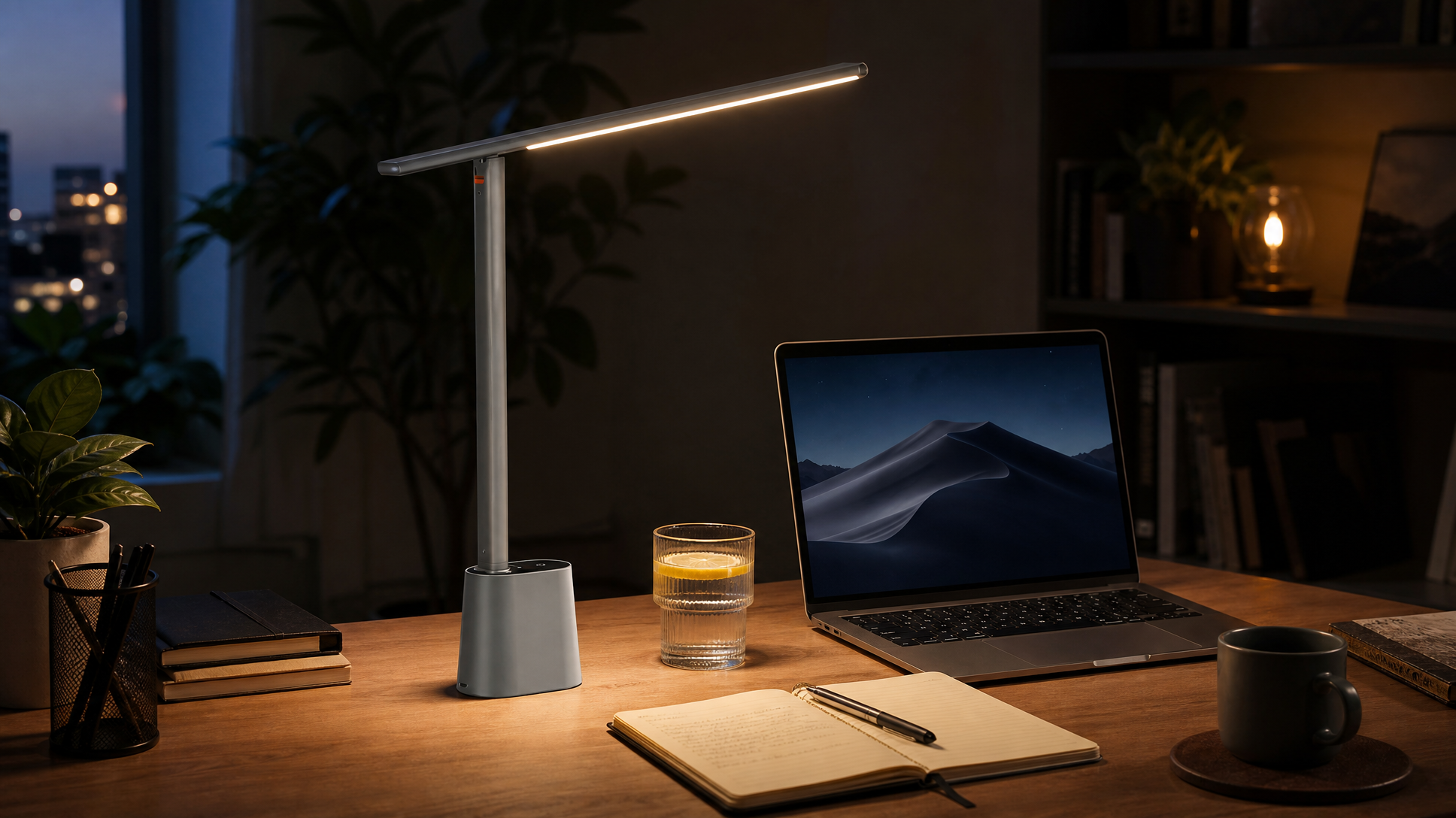
- Task lighting: Focused light for specific activities like cooking or reading.
- Accent lighting: Decorative lighting to highlight features or add mood.
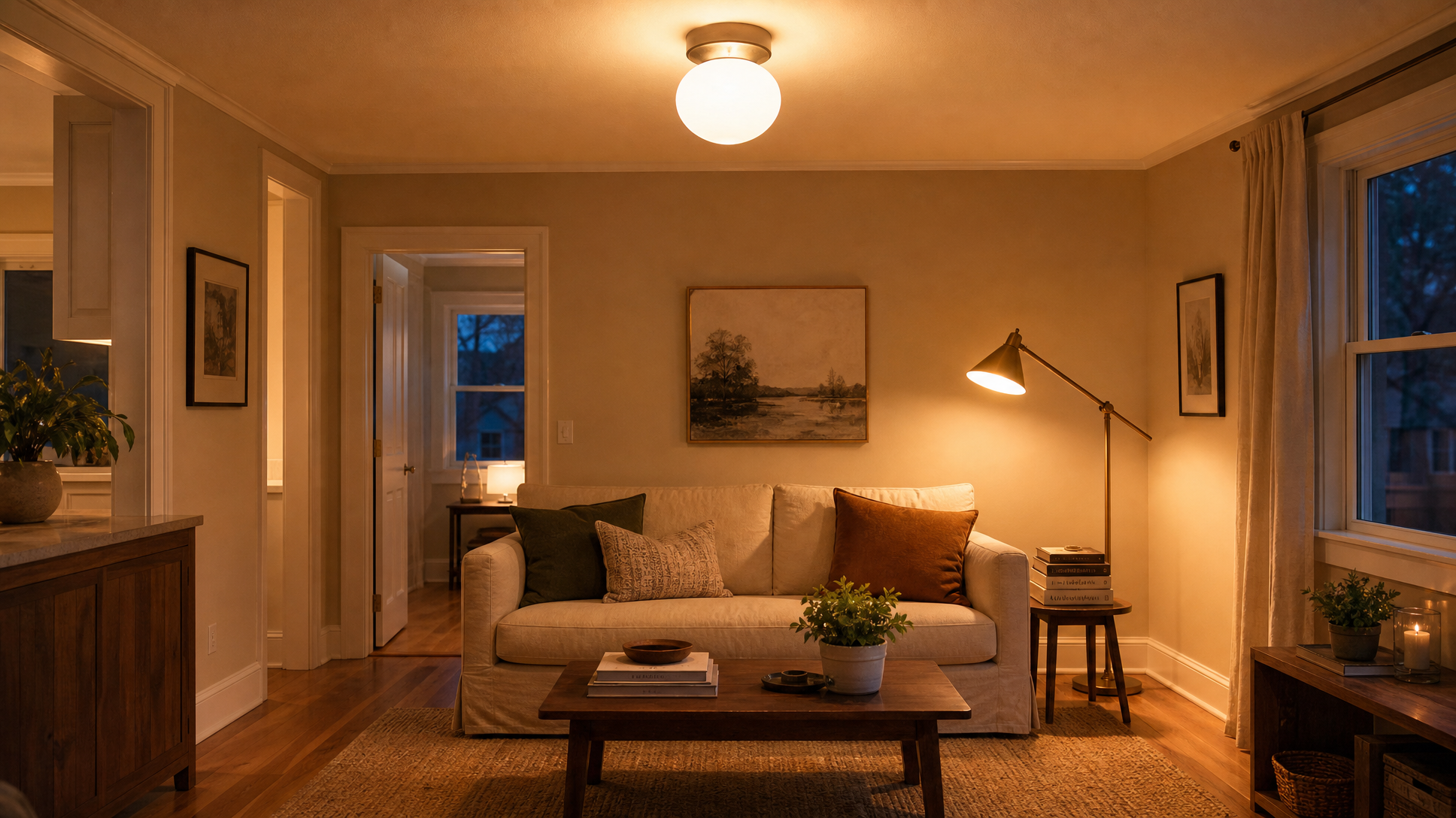
Use combination lighting in kitchens and bathrooms to prevent shadows and improve visibility. For example, pair ceiling lights with task lights over counters and install vanity lights on the sides of mirrors for even illumination.
- Combine ceiling fixtures with portable lamps or wall sconces.
- Use directional task lights for work areas.
- Add accent lights to highlight art or architectural features.
- Avoid depending on a single light source, especially in work or safety-sensitive zones.
Enhancing your lighting through layering boosts comfort and reduces accidents caused by poor visibility.
Check the detailed bathroom lighting guide here!
2. Fixture Sizing and Placement: Precision in Matching Fixtures to Your Space
An ill-fitting fixture can disrupt a room’s aesthetics and lighting balance. Use this simple formula to size your fixtures appropriately:
- Chandeliers/Pendants: Add the room’s length and width (in feet), then convert to inches for the fixture width. Example: 12 ft + 14 ft = 26 inches wide fixture.
- Recessed lights: Space about half the room’s width apart to avoid dark spots.
- In small spaces like closets, choose smaller fixtures or multiple light sources to cover the area evenly.
For placement:
- Position ceiling lights centrally, away from walls to prevent shadows.
- Place task lights directly over work surfaces to reduce eye strain.
- Avoid lighting stairs from directly above to minimize dangerous shadows on steps.
Correct sizing and placement optimize lighting comfort and visual appeal throughout your home.
Get some insights into recessed lighting installation here!
3. Uniformity of Color Temperature: Unifying the Light Tone Palette
Color temperature, measured in kelvins (K), deeply influences the feel of a room. Mixing different temperatures leads to visual discord and disrupts natural sleep-wake rhythms.
- Warm light (2700K–3000K): Cozy yellow glow — great for bedrooms and living rooms.
- Neutral light (3500K–4100K): Balanced, slightly cooler — ideal for kitchens and bathrooms.
- Cool light (5000K+): Bright white or bluish tint — best reserved for utility areas.
Tips for consistency:
- Use warm tones in relaxation spaces.
- Choose neutral/cool tones for work areas.
- Match all bulbs within a room for a harmonious look.
- Select bulbs with a high Color Rendering Index (CRI 80+) for true colors.
Maintaining uniform color temperature enriches your home's ambiance and supports well-being.
Learn more about common lighting mistakes here!
4. Dimmable LED-Compatible Switches: Navigating the Flicker Dilemma and Fire Hazard Concerns
Using dimmer switches incompatible with LED bulbs can cause flickering, buzzing, bulb failures, or fire hazards.
Key points:
- Not all LEDs support dimming; check packaging for dimmable labels.
- Use dimmer switches labeled LED-compatible to ensure smooth control.
- Avoid mixing dimmable and non-dimmable bulbs on one circuit.
- Consult product specifications or experts to confirm compatibility.
Benefits of proper dimmer systems include flicker-free lighting, extended bulb longevity, energy savings, and reduced fire risk.
Read about the nuances of dimmer switches here!
5. Outdoor Lighting Safety Protocols: Embracing IP-Rated Fixtures and GFCI Shielding
Outdoor lighting enhances both beauty and safety but must be selected and installed carefully to prevent hazards.
Important considerations:
- Choose fixtures with an IP65 or higher rating to resist water and dust.
- Install all outdoor outlets and lighting circuits with GFCI protection to prevent electric shocks.
- Use shielded fixtures that direct light downward to minimize glare and light pollution.
- Opt for eco-friendly LED options and enhance efficiency with timers or motion sensors.
Following these guidelines protects your home’s electrical system and ensures safe nighttime environments.
Discover the common deck lighting pitfalls here!
6. Smart Holiday Lighting Strategy: Unfolding Long-Term Savings and Safety Upgrades
Traditional holiday lights can be a yearly hassle with risks of falls and bulb failures.
Consider investing in permanent smart holiday lighting that offers:
- 10 to 15 years of maintenance-free use after professional installation.
- Remote control via smartphone for colors, patterns, and schedules.
- Significant savings on replacement bulbs and electricity.
- Reduced risk of accidents from ladder use and electrical faults.
Professional installation ensures safety, compliance with codes, and optimal function.
7. Lighting in Cramped Spaces: Illustrious Closets, Pantries, and More
Closets and pantries often suffer from poor lighting, leading to shadows and frustration.
Improve these spaces by:
- Installing bright LED strip or puck lights under shelves for targeted illumination.
- Using motion-activated lights that turn on automatically upon entry.
- Selecting high CRI fixtures for true color perception.
- Adding recessed lights or small chandeliers positioned for even coverage.
Upgrading lighting here enhances daily convenience and space usability.
8. Bathroom Lighting and Ventilation Vigilance: Confronting Moisture Perils and Electrical Vulnerability
Bathrooms present unique challenges due to moisture-related electrical and safety issues.
Key practices include:
- Installing exhaust fans providing at least 1 CFM per square foot, running beyond shower times to clear humidity.
- Choosing fixtures with an IP65 or above rating for wet zones like showers.
- Avoiding standard fittings in moist areas without proper protection.
- Using side-mounted vanity lights positioned equally on each side of mirrors for shadow-free grooming.
Combining effective ventilation with moisture-resistant lighting safeguards your bathroom’s longevity and user safety.
Find out more about proper bathroom lighting insights here!
9. Curtailing Home Lighting Mishaps: Staircases, Kitchens, and Workshops
Safety in areas like staircases, kitchens, and workshops is paramount and lighting plays a critical role.
Beware common pitfalls:
- Staircases: Overhead-only lighting creates shadows that obscure steps and increase fall risk.
- Kitchens: Single pendant lights over islands cast sharp shadows that impair task visibility.
- Workshops/Utility rooms: Flickering or dim lighting strains eyes and risks injuries.
Combine ambient with task lighting and select bulbs offering crisp clarity to build a safe, efficient workspace.
Conclusion: Lighting Alchemy for Safety, Comfort, and Aesthetic Opulence
Avoiding common lighting mistakes is essential to crafting a home that's safe, inviting, and visually stunning. Practice the art of layered lighting, choose fixtures thoughtfully, and maintain color temperature harmony. Embrace LED-compatible dimmers, invest in IP-rated outdoor fixtures with GFCI protection, and consider smart holiday lighting for long-term benefits. Don't neglect lighting in small, high-moisture, or high-risk spaces, and always ensure proper ventilation and fixture ratings.
Implementing these principles will elevate your home's ambiance, safeguard your family, and enhance daily living through purposeful, elegant illumination.
FAQ
What is layered lighting and why is it important?
Layered lighting combines ambient, task, and accent lighting to achieve balanced, shadow-free illumination that enhances comfort and functionality in any room.
How do I determine the right size for a chandelier or pendant light?
Add the length and width of your room (in feet) and convert that number to inches to find the recommended width of the fixture. For example, a 12 ft by 14 ft room equals a 26-inch wide chandelier.
Why should I use LED-compatible dimmer switches?
Standard dimmers may not work properly with LEDs, causing flickering or buzzing. LED-compatible dimmers ensure smooth dimming, extend bulb life, and reduce fire risks.
What IP rating is recommended for outdoor lighting fixtures?
Select fixtures with an IP65 rating or higher to ensure protection against water and dust, making them safe for outdoor wet locations.
How can I improve lighting in small, cramped spaces like closets?
Use bright LED strips or puck lights under shelves, install motion sensors for automatic activation, and choose fixtures with high CRI for true color rendering to enhance visibility and usability.