Cart
0
The Ultimate Guide to Layered Lighting in Interior Design
Discover how layered lighting transforms your home by blending ambient, task, and accent lights into stunning, functional spaces. Learn to control your atmosphere with smart technology while enhancing comfort, style, and sustainability.
Key Takeaways
- Layered lighting combines ambient, task, and accent lights for balanced, dynamic interiors.
- Smart controls and dimmers enhance mood customization and energy efficiency.
- Mixing fixture styles, finishes, and color temperatures adds valuable visual depth.
- Strategic light placement changes perception of space and highlights design features.
- Eco-friendly choices like LED lighting and daylight integration boost sustainability.
Table of Contents
- What Is Layered Lighting and Why Should You Care?
- Ambient Lighting: The Foundation of Every Room
- Task Lighting: Clarity Where You Need It Most
- Accent Lighting: Style That Speaks Volumes
- Mixing Fixture Styles and Finishes for Visual Depth
- Dimmers and Smart Lighting: Take Control of Your Atmosphere
- Enhancing Space with Strategic Light Layers
- Sustainable Style: The Eco-Friendly Advantage of Layered Lighting
- How to Build a Layered Lighting Plan for Your Home
- Custom Layered Lighting for Every Lifestyle
- Final Thoughts: Why Layered Lighting Is a Game-Changer
1. What Is Layered Lighting and Why Should You Care?
If you want your home to feel welcoming, visually engaging, and practical, layered lighting is essential. This design approach involves combining different types of light—ambient, task, and accent lighting—to craft dynamic spaces that not only look beautiful but also function seamlessly.
In this guide, you'll learn how to use layered lighting to elevate your interiors, integrate smart features for control and efficiency, and customize your lighting plan to reflect your lifestyle. Whether updating a single room or designing an entire home, mastering this strategy brings sophistication and comfort to every corner.
2. Ambient Lighting: The Foundation of Every Room
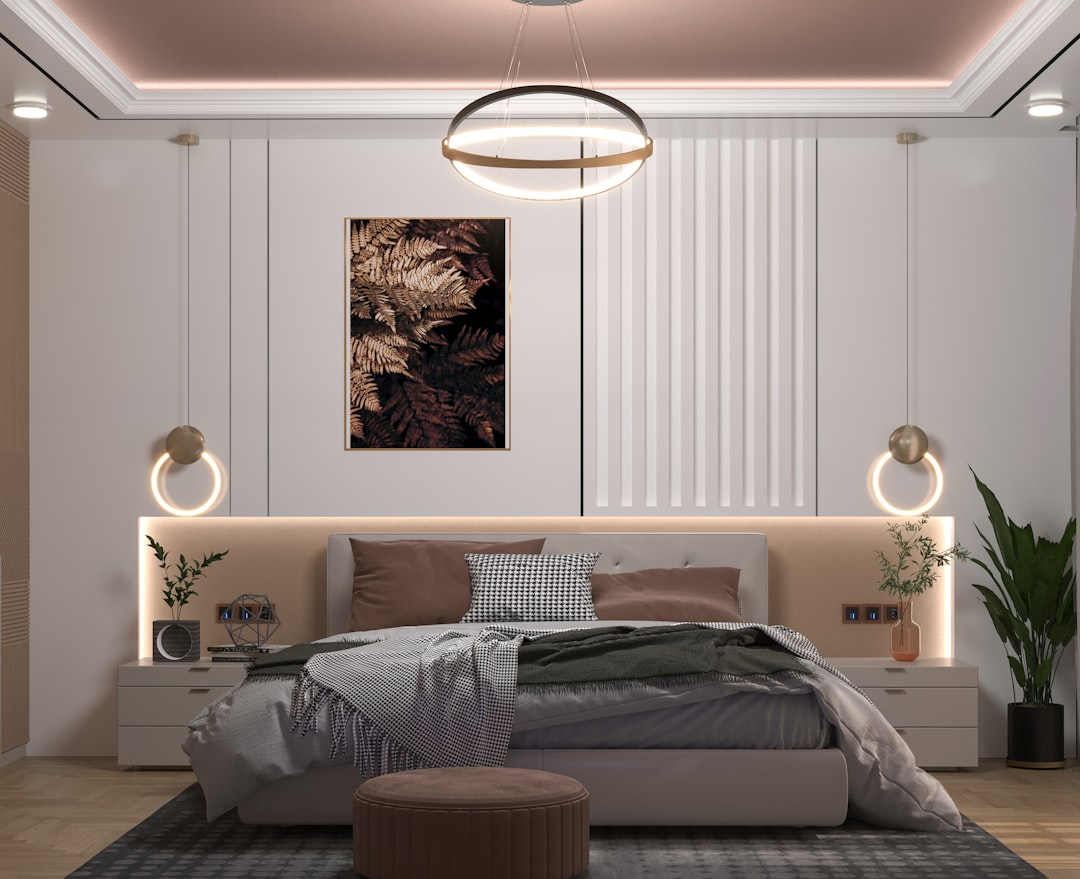
Ambient lighting provides the base layer of illumination—it's the general glow that fills a space, allowing you to move around comfortably. Think of it as the background score in a film: subtle but indispensable.
Common Ambient Lighting Solutions
- Flush or semi-flush mount ceiling lights
- Recessed (can or pot) lights
- Chandeliers or oversized pendants
- Large floor lamps positioned in open corners
- Natural light pouring in through windows
Ambient light should feel balanced—neither overly bright nor dull. Aim for warm color temperatures (2700K to 3000K) in living rooms and bedrooms for a soothing atmosphere.
3. Task Lighting: Clarity Where You Need It Most
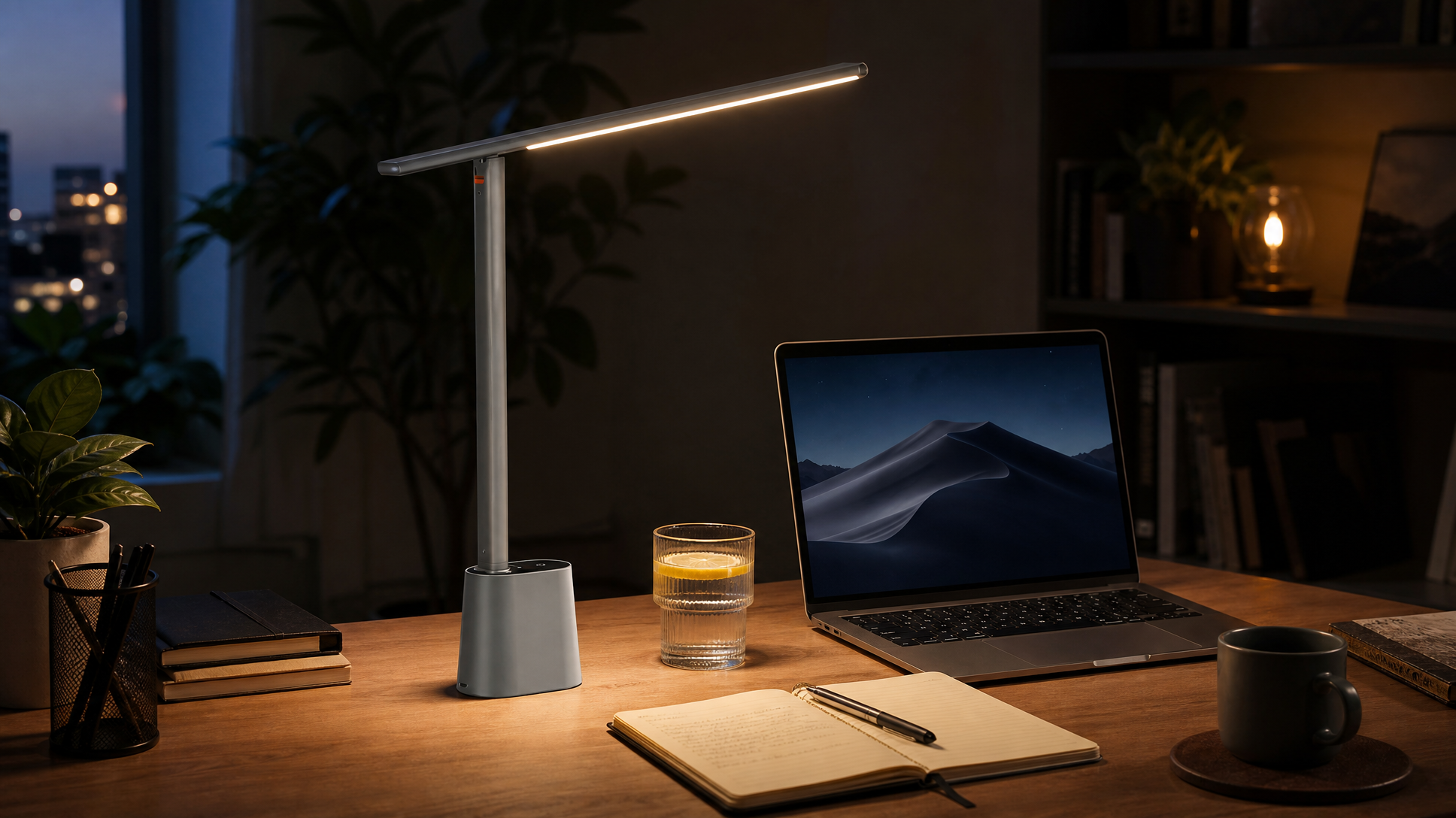
Ambient lighting sets the mood, but task lighting brings function into focus. It delivers targeted brightness for specific activities like chopping vegetables, reading, or applying makeup.
Smart Placement for Task Lighting
- Kitchen counters benefit from under-cabinet strips that eliminate shadows
- Desks and reading nooks function better with adjustable lamps
- Bathroom mirrors need bright, even light from sconces or vanity fixtures
- Dining tables and islands work well under pendant lights for intentional illumination
Look for fixtures that reduce glare and offer angle and brightness adjustability for the best results.
4. Accent Lighting: Style That Speaks Volumes
Accent lighting is your opportunity to shape the ambiance and highlight your personality. By drawing attention to specific design features or cherished décor pieces, this layer deepens the room’s visual appeal.
Ways to Add Accent Lighting
- Directional spotlights or track lights to focus on art or sculptures
- LED strip lights inside shelves, coves, or behind furniture for a subtle glow
- Picture lights to throw rich light over framed art
- Wall sconces that bring texture and shadow to architectural elements
Accent lighting works best when independently controlled—use dimmers or smart systems so you can adjust the intensity to match the moment.
5. Mixing Fixture Styles and Finishes for Visual Depth
Too often, homeowners select identical lighting fixtures throughout a space, which can make interiors feel flat. The secret to striking layered lighting is a thoughtful blend of styles, finishes, and sizes.
- Contrast sleek modern pendants with timeless brass sconces
- Combine matte black tones with polished chrome or gold to add depth
- Balance an ornate chandelier with minimalist table or floor lamps
- Use varied color temperatures—warm for relaxation zones, cool for energizing workspaces
Light diffusing materials such as glass, linen, and metal surfaces also influence glow and texture, so choose pieces that contribute both visually and functionally to your space.
6. Dimmers and Smart Lighting: Take Control of Your Atmosphere
No lighting plan is complete without versatile control options. Adding dimmers and smart lighting systems allows you to customize mood, tone, and energy use with ease.
Why Controls Matter
- Dimmers help you transition from full brightness to a candlelit glow in seconds
- Smart systems let you create scenes like "Work," "Entertain," or "Wind Down," often controlled via voice or app
- Energy efficiency improves when you turn off or dim unnecessary lights on demand
Picture this: You’re prepping dinner with ambient and task lights at full brightness. Later, with a single tap, you switch to mellow accent lighting for a warm, cozy evening. That’s the power of modern lighting control.
7. Enhancing Space with Strategic Light Layers
Beyond aesthetics, layered lighting directly affects our perception of space and depth.
- Light cast at multiple levels—from floor lamps to ceiling fixtures—can visually raise ceilings
- Washing light across walls (up or down) creates dimension on otherwise flat surfaces
- Soft side lighting divides large, open concept rooms into comfortable zones
- The mixture of shadows and brightness draws the eye and energizes the space
When done right, this visual variation makes even small rooms feel expansive and engaging.
8. Sustainable Style: The Eco-Friendly Advantage of Layered Lighting
Layered lighting doesn’t just elevate your home’s style and comfort—it also supports environmentally conscious living.
- Task lighting minimizes the need to light entire spaces, reducing waste
- Daylight integration lets natural light do the heavy lifting during daytime hours
- LED fixtures consume significantly less energy and last much longer than traditional bulbs
- Dimmers and motion sensors cut power consumption by adjusting output according to need
This smart use of light aligns beautifully with sustainability, all while reducing your energy bills and environmental footprint.
9. How to Build a Layered Lighting Plan for Your Home
Ready to transform your home with layered lighting? Here’s a simple step-by-step framework:
- Begin with ambient lighting: Install recessed cans, ceiling mounts, or tall lamps that offer broad, adjustable light coverage. This sets the base tone.
- Add task lighting next: Use lights specific to your daily needs—reading, cooking, grooming—in the form of directional or bright fixtures.
- Incorporate accent lighting: Use this layer to draw attention; install strips, spotlights, or wall sconces in areas with architectural or decorative interest.
- Finish with control systems: Enable dimmers or smart controls to customize brightness and vibe with precision.
Adapt each element to your routines and preferences. The best results come from tailoring lighting to real-life use.
10. Custom Layered Lighting for Every Lifestyle
One of layered lighting’s greatest strengths is its versatility. It can reflect your personality, support your lifestyle, and adapt to any design vision.
- Choose fixtures that echo your design theme—whether modern, vintage, industrial, or eclectic
- Select bulb temperatures that complement each room's purpose—warm white for bedrooms, cooler tones for offices
- Define lighting zones in open-plan areas to support different activities throughout the day
- Program lighting “scenes” for occasions—like family movie nights or focused work sessions—with smart systems
- Celebrate the season with savings — get 5% off your order using code EXCLUSIVE5 at checkout
For the perfect blend of form and function, consider consulting a lighting professional who can help bring your ideas to life with precision and creativity.
11. Final Thoughts: Why Layered Lighting Is a Game-Changer
Layered lighting is more than a design trend—it’s a transformative strategy that elevates any space. By combining ambient, task, and accent light with thoughtful fixture selection and smart technology, you create interiors that are not just visually appealing, but also highly functional and energy-aware.
Whether you're designing a cozy reading nook, revamping your kitchen, or planning an entire home remodel, embracing layered lighting ensures your environment reflects beauty, purpose, and comfort in perfect harmony.
Explore Lightsdaddy for premium lighting solutions that support every layer of your design vision—with quality, innovation, and style built in.
FAQ
What are the three types of layered lighting?
The three types are ambient lighting (general illumination), task lighting (focused light for specific activities), and accent lighting (used to highlight features and add style).
How does smart lighting enhance layered lighting?
Smart lighting allows for customizable control with dimmers, scenes, and automation, enabling you to effortlessly adjust brightness and ambiance to suit different needs and moods.
Can layered lighting help reduce energy consumption?
Yes, by utilizing task lighting instead of lighting entire rooms and incorporating LED bulbs, dimmers, and motion sensors, layered lighting can significantly reduce unnecessary energy use.
What color temperature is best for creating a relaxing atmosphere?
Warm color temperatures between 2700K and 3000K are ideal for living rooms and bedrooms as they create a soothing and inviting ambiance.
Should all lighting fixtures in a room match?
Not necessarily. Mixing styles, finishes, and sizes creates visual depth and interest, preventing the space from feeling flat or monotonous.